
Reviewed · HISTORICAL TOURS
Tirana: A walk through the history of Albania.
Tirana’s past comes fast, on foot. This guided walk starts at Sheshi Skënderbej and connects Albania’s turning points, from Illyrian roots to Ottoman influence, independence, and the Enver Hoxha years, all through places you can actually see. I love the small-group pace because it feels like the story fits the streets, not the other way around. Along the route you’ll cover major landmarks like the Et’hem Bey Mosque area and the House of Leaves, and the tour ends with a traditional raki tasting.
One caution: this is not suitable for people with mobility impairments or wheelchair users, and there’s no hotel pickup, so you’ll need to reach the meeting point and keep moving.
I also like that the guide keeps it English-speaking and human, with room for questions. In the best versions of this tour, guides such as Armando are friendly, well prepared, and quick to tailor the walk toward what you care about most, whether that’s culture, architecture, or daily life in Tirana.
In This Review
- Key things to know before you go
- Mapping Albania’s four eras, one walk at a time
- Skenderbeg Square to Et’hem Bey Mosque, Ottoman era details you can spot
- Independence-era vibes at Bulevardi Dëshmorët e Kombit and Sheshi Nënë Tereza
- Grand Park of Tirana, Tirana Castle, and how old Tirana holds center stage
- Blloku and the modern face of Albania you can actually feel
- The Orthodox Church cultural stop and the quieter side of identity
- House of Leaves, Enver Hoxha, and why this museum lingers
- Raki tasting and what to do with your remaining appetite
- Price and logistics: is $30 worth it for this 150-minute walk?
- Should you book the Tirana history walk?
- FAQ
- How long is the Tirana history walking tour?
- How much does it cost per person?
- Where does the tour start and end?
- Is the tour guide available in English?
- Does the price include raki tasting?
- Is food included during the tour?
- How big is the group?
- Is the tour suitable for wheelchair users or people with mobility impairments?
- Can I cancel for a full refund?
Key things to know before you go
- 150 minutes focused on central Tirana, so you cover a lot without feeling rushed
- Four major time periods explained through real monuments and buildings
- Et’hem Bey Mosque plus the clock tower area, with clear context for the Ottoman era
- House of Leaves, a direct look at life under Enver Hoxha’s regime
- Raki tasting is included, giving you a quick taste of Albanian tradition
More Walking Tours in Tirana

Mapping Albania’s four eras, one walk at a time
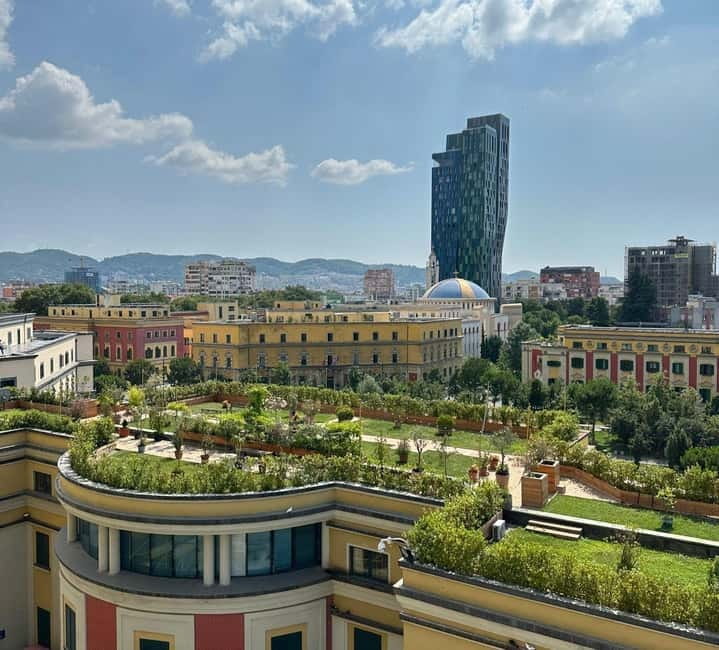
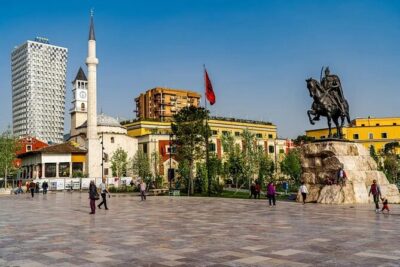
If you only have a short window in Tirana, this is a smart way to get oriented. You start in the middle at Sheshi Skënderbej, where the city feels like it’s doing three things at once: remembering its past, working through its history, and living right now. The tour approach is simple, you learn Albania’s big story across four time periods, then you see how that story leaves fingerprints on the architecture and the places locals actually use.
The four periods are laid out in a way that makes Tirana easier to read. First come the Prehistory roots, especially the Illyrian tribes. Then you move into the Ottoman era and the Skanderbeg period, which is treated as a turning point for identity and resistance. After that, the Renaissance era shows up through independence-era ideas, and finally Communism brings you to the heavier memory of Enver Hoxha’s regime.
What I like about this setup is that you’re not just collecting facts. You’re learning how one era shapes the next, so Tirana starts to feel less confusing. Even better, the walk stays practical. It’s small-group focused, limited to 6 participants, which means you’re not stuck listening to a lecture you can’t interact with.
The one drawback is that you are on foot the whole time. If you’d rather sit, this won’t be your best choice.
Skenderbeg Square to Et’hem Bey Mosque, Ottoman era details you can spot
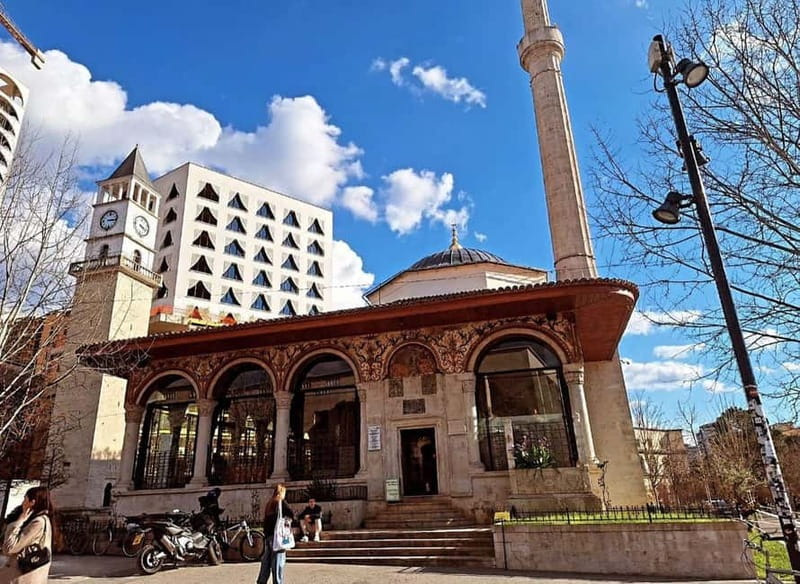
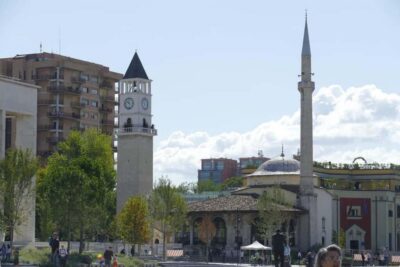
Et’hem Bey Mosque is one of those stops that rewards your attention. From the outside, it’s the kind of landmark that looks like it belongs to a specific era, and that’s exactly what the guide helps you understand. The tour pairs this area with the clock tower view, so you get both the religious and civic flavor of the Ottoman period in one stretch.
You’re not expected to be a history student. Instead, you get “look and learn” explanations, so you know what you’re seeing and why locals still point to these places. That matters in Tirana, because the city has a modern rhythm in many blocks, but the center still keeps visible reminders of older layers.
If you’re the type who likes a clear timeline, this is where the guide usually tightens the story. You’ll connect Ottoman-era influence to the way Albania’s identity gets expressed through public buildings and cultural symbolism. It’s also a good point in the walk to ask questions, because you’ve already started the “four eras” framework and you can test it against what you see in front of you.
Practical note: this part of town can have foot traffic and people moving through open public spaces. Wear comfortable shoes and expect to stop, look, and then continue.
Independence-era vibes at Bulevardi Dëshmorët e Kombit and Sheshi Nënë Tereza
After the Ottoman anchor, the walk shifts toward the spaces that feel like national pride turned into city planning. Bulevardi Dëshmorët e Kombit is where the tour leans into Albania’s later story, with stops that help you connect public space to identity. This is also one of the stretches where Tirana starts to show its modern self, so you get a mix of “monument” and “everyday city” in the same view.
Then you reach Sheshi Nënë Tereza, another key square that helps the narrative land. It’s not just a pretty open area, it’s part of the way Tirana frames meaning in the urban layout. The guide’s job here is to connect what the square represents to what you’ve learned about independence and the Renaissance era. You’ll end up understanding why these names and spaces are more than decoration.
One thing I appreciate is that you can keep your own pace. The group is small, and you can ask for a little extra context without slowing the entire tour down. You’ll also get the kind of “wait, that’s why” moments that make Tirana feel readable, not random.
If you’re short on time, this section is a good place to check your bearings. After this, the remaining stops start feeling like you’re moving through a map, not just passing sights.
Grand Park of Tirana, Tirana Castle, and how old Tirana holds center stage
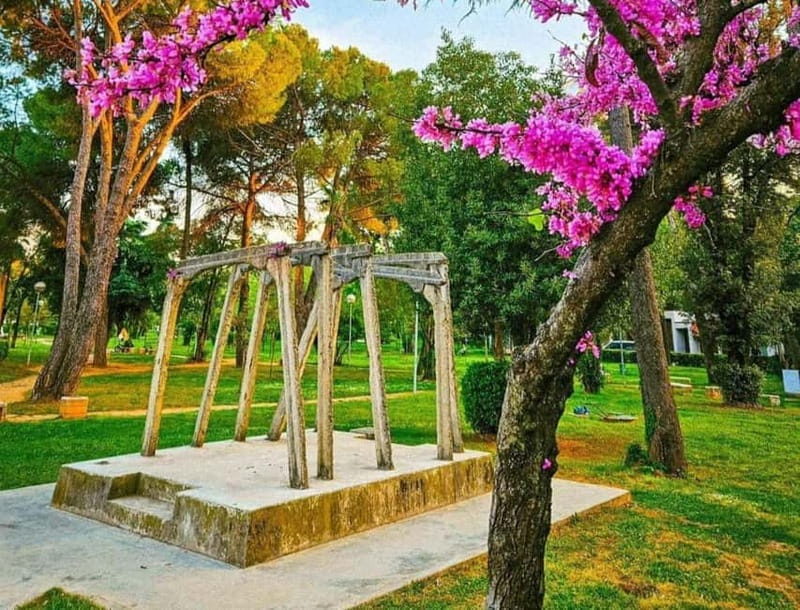
Grand Park of Tirana is a turning point, because it’s where the walk begins to feel like the “old heart” of the city. From here, you can get a sense of how Tirana Castle fits into the story. The tour frames the castle as the heart of Tirana, and that helps you understand why the center matters even when the city modernizes around it.
You also get a chance to see how Tirana blends nature and monuments. That balance is useful because it gives your brain a reset between heavier history stops. It’s still a history tour, but you’re not constantly in museum mode. You’re outside, you can look around, and the guide can point out connections between eras without you feeling overloaded.
This is also where the tour can include the larger historic landmark themes you heard at the start. You may talk about how different periods built and re-shaped the “core” of Tirana, and why that core still pulls people in. If you like structure, this is a satisfying stage: your timeline becomes visible as you move through the city’s older layers.
One more detail that makes this part of the walk feel concrete is the inclusion of palace and museum highlights elsewhere on the route. For example, the tour references Selim Pasha Toptani’s Palace, known for its 32 rooms in an oriental style, and the National Historical Museum, which is listed with 6293 museum artifacts. Even if you don’t go inside every site, the guide uses these facts to anchor the story in specific places and objects.
Not sold yet? More of Tirana to sift through:
- From Tirana: Bovilla Lake & Gamti Mountain Hiking Day Trip
★ 4.9 · 4,397 reviews - From Tirana: Bovilla Lake & Gamti Mountain Hiking Tour
★ 4.9 · 3,003 reviews - From Tirana: Bovilla Lake & Gamti Mountain Viewpoint Hike
★ 4.8 · 2,053 reviews - Tirana/Durres/Golem: Saranda, Ksamil, Blue Eye Day Trip
★ 4.8 · 1,584 reviews
Blloku and the modern face of Albania you can actually feel
Blloku is where Tirana turns playful. This is a neighborhood the tour treats as a contrast space, a place for enjoying La Dolce Vita and the everyday life people associate with the city now. The guide’s strength is in keeping this section tied to history, not separating it from the story.
In other words, you don’t just hear about old regimes and political shifts. You also learn how those shifts affected where people gathered, lived, and spent their evenings. That’s why Blloku matters on this kind of tour. It shows the “after” of history, how Tirana became itself after the big breaks in the past.
You’ll also get the sense of why locals like to point to neighborhoods as living chapters, not just geographic areas. It’s less about looking at buildings like objects and more about understanding how people use the city.
One caution here, especially in warm weather: Blloku can feel like a place where people want to slow down. The tour stays timed, so you might want to save extra wandering for after the walk. Still, this stop is a great moment to ask the guide what to do next, since they’ve already taught you how to read the city.
The Orthodox Church cultural stop and the quieter side of identity
The Cultural Center of Orthodox Church adds variety to the route. It’s a reminder that Albania’s story is not only about politics. Culture and faith show up in architecture, symbols, and the way communities have expressed themselves over time.
Because the tour is structured around eras, this stop also works as a “how did people live” checkpoint. The guide can connect spiritual and cultural life to broader shifts you’ve already heard about. It’s often the kind of segment that helps a history tour feel less like memorizing dates and more like understanding people.
I like that this doesn’t try to cram everything into one museum talk. It’s more of a meaningful stop, a chance to step sideways from the city center landmarks and broaden your understanding of Albanian identity.
If you’re the type who enjoys a slower pace for a few minutes, this is one of the stops where you can breathe. Then you move on to one of the tour’s most intense parts.
House of Leaves, Enver Hoxha, and why this museum lingers
House of Leaves is the stop that changes the tone. The tour describes it as a museum about the brutal regime of Enver Hoxha, and that sets expectations. You’re not here for light storytelling. You’re here for a direct look at what that regime did to daily life, and why it’s remembered.
The guide’s job matters a lot at this point. A good guide doesn’t just list events, they help you understand what the museum is trying to make you feel and remember. When the tour is done well, the information lands in a way that sticks with you after you walk out, because you connect the political era to real human consequences.
This is also where the tour’s “four eras” design proves its worth. You start the walk with origins and identity-building, you move through periods that shape independence and public spaces, and then you hit the Communism era where the stakes feel personal. After House of Leaves, Blloku and other modern spaces hit differently, because you can sense the weight that sits behind the everyday.
If you get overwhelmed easily by heavy history, I’d mentally plan a calm break afterward. Luckily, this tour returns to the center and you can decompress on your own.
Raki tasting and what to do with your remaining appetite
Raki tasting is included, and it’s one of the tour’s best “small but memorable” touches. It gives you a quick, sensory connection to Albanian tradition, instead of everything being only visual and theoretical. The key is that it comes at the end of your story, so you can let the history settle while you sample something local.
If you don’t drink alcohol, you might still find the tasting helpful as a cultural touchpoint. Just be honest with yourself about how you handle alcohol and your comfort level, especially if you plan to keep exploring after the tour.
Also, note what’s not included. Food during the tour is not included, so if you’re prone to getting hungry, bring a light snack beforehand or plan a meal right after you finish back at Sheshi Skënderbej.
Lastly, since the tour runs 150 minutes, you’re not looking at a whole afternoon. That makes it easier to pair with other Tirana plans, like an extra museum visit or a relaxed cafe stop once you have the big picture.
Price and logistics: is $30 worth it for this 150-minute walk?
At about $30 per person, this tour can be good value if you want structure and context fast. The price includes an English-speaking guide and the raki tasting, and the tour time is long enough to cover a meaningful chunk of central Tirana. It’s not just a quick “see these spots” walk, it’s designed around the four time periods, and you’re led from landmark to landmark with explanations that help you connect the dots.
Where value can vary is how you personally like tours. If you enjoy walking outdoors with frequent stops, you’ll likely feel satisfied because you cover a lot without needing public transport. If you prefer museums as the main event and you hate standing around for explanations, you might wish for a slightly different format.
Two other practical realities affect comfort and cost. First, there’s no hotel pickup and drop-off, so you’ll need to get to Sheshi Skënderbej on your own. Second, there’s no food included, so your total day budget should include at least one meal.
The group size is a plus. Limited to 6 participants, it tends to make the guide’s explanations feel less generic. In the strongest versions of the experience, guides like Armando manage to be friendly and adaptive, which is exactly what you want when you’re trying to understand a place quickly.
Should you book the Tirana history walk?
Book it if you want a clear, street-level introduction to Albania, and you like learning through monuments rather than sitting with a guidebook. The small group size, the English-speaking guide, the landmark lineup, and the included raki tasting make it feel like more than a basic sightseeing loop.
Skip it if mobility is an issue for you, or if you want long indoor museum time instead of walking and stopping along city blocks. Also, if the Communism era content sounds like too much for your mood, plan your post-tour time carefully so you can decompress.
For most people with limited time in Tirana, this is a smart way to get your bearings fast and leave with a much stronger sense of what shaped Albania into the country you see today.
FAQ
How long is the Tirana history walking tour?
The tour lasts 150 minutes.
How much does it cost per person?
It costs $30 per person.
Where does the tour start and end?
It starts at Sheshi Skënderbej and returns to Sheshi Skënderbej.
Is the tour guide available in English?
Yes. The tour is an English-speaking guided tour.
Does the price include raki tasting?
Yes. The tour includes a drink tasting of raki.
Is food included during the tour?
No. Food during the tour is not included.
How big is the group?
The group is small, limited to 6 participants.
Is the tour suitable for wheelchair users or people with mobility impairments?
No. It is not suitable for people with mobility impairments or wheelchair users.
Can I cancel for a full refund?
Yes. You can cancel up to 24 hours in advance for a full refund.
A Few More History Tours in Tirana
Added to Tirana lately
- Semi-Private Hiking Tour; Theth,Valbona&Koman Lake in 3 Days★ 5.0 · 1 review
- Kosovo, Prizren Day Trip from Tirana★ 3.0 · 1 review
- Private 3 Days Adventure in Albania and Gjirokaster County★ 5.0 · 1 review
- Private 1 Day Berat Tour from Tirana★ 5.0 · 1 review
- From Tirana: Ksamil Islands, Saranda, & Blue Eye Day Trip★ 5.0 · 1 review
- Tirana Airport Private Transfer To City★ 5.0 · 1 review
- Architectural Walking Tour Discovering Tirana’s Modern Identity★ 5.0 · 1 review
- From Shkoder: 3-Day Valbona to Theth Hike Tour All Inclusive★ 5.0 · 1 review
Historical Tours, compared.
Guided tour in Tirana – discoveries, history, culture (in FRENCH)
Read our review →
Durres city & Golem beach, Sun & History Day Trip
Read our review →
Tirana Walking Tour: History, Culture &Gems by a Passionate Guide
Read our review →
Semi – Private Tour at Cape of Rodon; Hidden Beaches & History
Read our review →
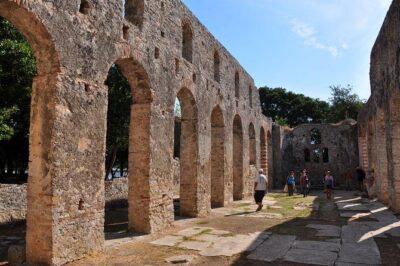
Ancient City of Butrint, UNESCO World Heritage site – A Must
Read our review →Browse the lists this tour appears in