
Reviewed · WALKING TOURS
Tirana Center: Magic Walking Tour French/Italian/English Etc
Tirana clicks faster on foot. I love the way this walking panoramic tour turns central Tirana into a clear story, and I love the lineup of landmarks like Skanderbeg Square and the Pyramid of Tirana that you can actually picture later. The main thing to consider is that you cover a lot of ground in about 2.5 hours, and most sights are viewed from outside.
The route starts in the heart of the city, with a licensed local guide and time to ask questions as you move. It is also designed to help you navigate Tirana after the tour, not just take photos. One practical drawback: you will be outside a lot, so good shoes and water matter.
This is a smart pick for your first day in Tirana center, or for an evening stroll when you want the city’s “how it works” basics. You’ll get history touchpoints, religious diversity stops, and a look at the energy of ex-Blloku without needing a car.
In This Review
- Key highlights I’d plan around
- Why this Tirana center walk is a great first move
- Meeting at Skanderbeg Square, then a route you can repeat later
- Skanderbeg Square and the culture buildings you can recognize instantly
- Et’hem Bey Mosque, Sahati clock tower, and the mix of faiths in Tirana
- Bunk’Art 2 and House of Leaves Museum: history you can point to
- Tirana Castle and the Pyramid: old-world structure and a weird, powerful statement
- Prime Ministry area, Murat Toptani promenade, then ex-Blloku at the city’s pulse
- Guide impact: why this tour scores about 4.9 for a reason
- Price and time: is $12 for 150 minutes actually a deal?
- What you need to bring, and how to avoid the common walking-day issues
- Who this tour suits, and who should skip it
- Should you book the Tirana Center Magic Walking Tour?
Key highlights I’d plan around
- Skanderbeg Square start and finish, easy orientation right where you can keep exploring afterward
- Religious Tirana in one walk, mosque plus major Christian churches
- Bunk’Art 2 and House of Leaves Museum, short stops that add context to Albania’s 20th century
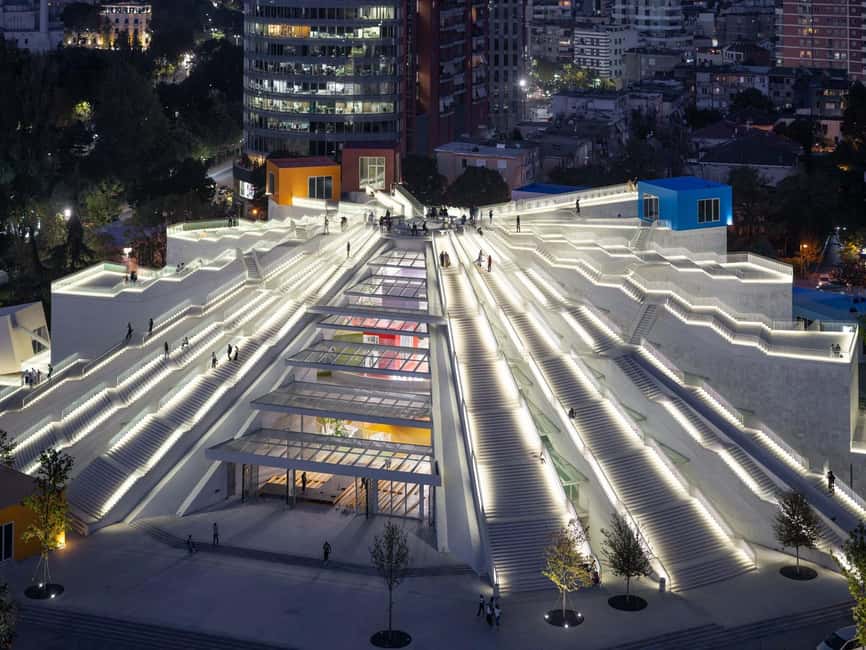
- Pyramid of Tirana as a focal point, including time to explore the structure tied to Enver Hoxha
- Ex-Blloku atmosphere, an easy intro to Tirana nightlife culture
- Exterior-only sightseeing style, so you spend time on street-level pacing instead of museum logistics
More Walking Tours in Tirana


Why this Tirana center walk is a great first move
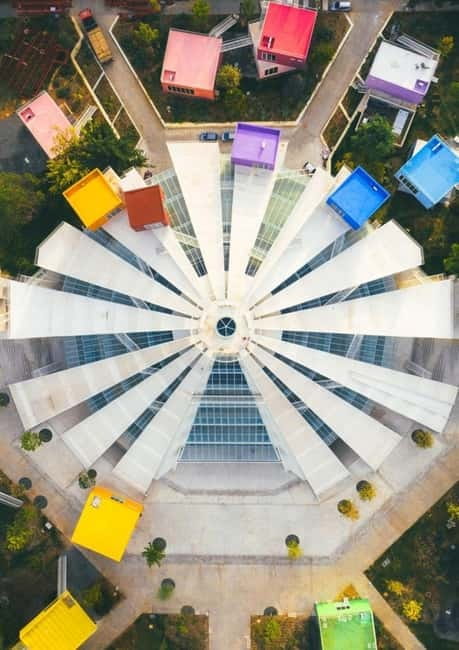
If Tirana feels like a blur when you land, this kind of structured walking tour helps you get your bearings fast. The big advantage is the flow: you start at Skenderbeg Square, you move through the historic core, and you end back near the same landmark at the National Bank of Albania area. That makes it easier to plan the rest of your day or evening without guessing where things are.
I also like the “panoramic walking” approach. You’re not stuck waiting indoors. You keep seeing street-level details as your guide connects the dots between Albania’s modern life and its older layers.
The stops are built around three themes that work well for visitors. First, political history markers (hello, Pyramid). Second, religious diversity (mosque and churches). Third, the present-day vibe of the ex-Blloku neighborhood. You leave with a mental map, not just a list of places.
Meeting at Skanderbeg Square, then a route you can repeat later
You meet at the Skenderbeg Statue on the left side of Skenderbeg Square. Arrive 10 minutes early because the group leaves right on time. That little detail matters more than people think, because the tour is about momentum and pacing.
Departure times split into morning and afternoon options. Morning starts around 09:30 or 10:00 AM. Afternoon begins around 05:30 or 06:00 PM. Either works, but I’d choose based on the day you want the city’s tempo. Morning is great for a calmer start. Afternoon is better when you want to end the walk feeling like you can step into the night.
Expect a lot of walking across the center, but it is organized into manageable chunks between stops. Your guide also uses the walk as a way to teach you how to move around easily in Tirana’s core. That is what makes it practical, not just sightseeing.
Also look for the guide badge or flag with the company logo (AMAZING ALBANIA). It’s the simplest way to spot the right person before you’re standing with 20 tourists trying to guess.
Skanderbeg Square and the culture buildings you can recognize instantly
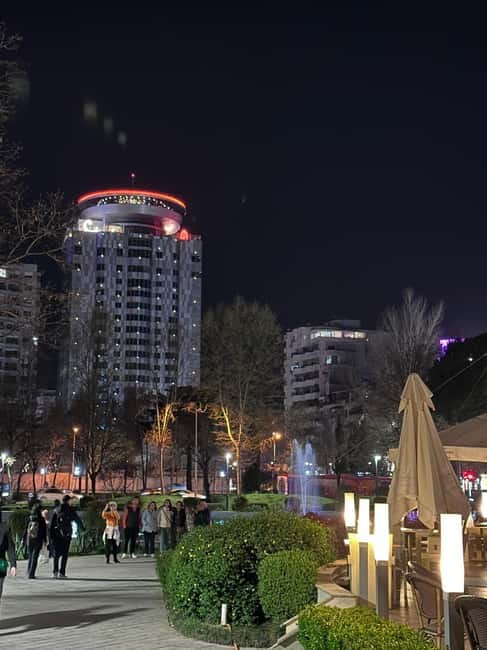
Your tour begins at Skanderbeg Square, then moves through the immediate center where you’ll see the big anchors of Tirana life. One early stop is the National History Museum area. Since the tour style is mainly exterior viewing, you are not doing a long museum commitment here. Instead, you get a first visual reference point for where the city’s story is told.
From there you pass key cultural landmarks in the center, including the Opera Palace. This is the kind of stop that helps you recognize the city architecture later, even if you never go inside that specific building. If you are the type who likes to look up street facades and figure out what they were built for, you’ll enjoy this portion.
The National Art Gallery is highlighted as well, so you should expect the route to bring you past major art-and-culture spaces. Because you are not guaranteed an interior visit for every building, think of this as a “face recognition” tour. You’ll know what is what when you return later.
One small consideration: because many things are seen from outside, you might want to pick one or two museums to revisit later on your own. The tour sets the stage, not the whole schedule.
Et’hem Bey Mosque, Sahati clock tower, and the mix of faiths in Tirana
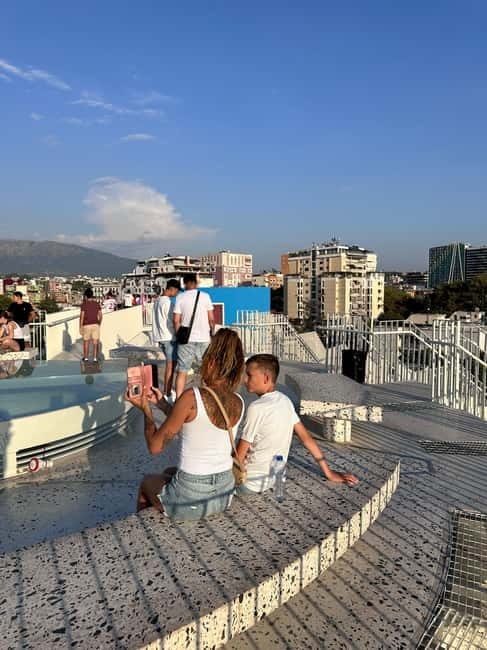
This is where Tirana feels especially interesting. You do not just talk about Albania’s religious diversity. You walk past it.
You’ll visit Et’hem Bey Mosque. Right after that, you also move around the area where the Clock Tower, called Sahati, features into the city center landmarks. Even if you do not go inside, you get the visual contrast that makes the neighborhood feel layered.
Then the walk continues into the Christian church stops, including the Saint Paul Catholic Cathedral and later the Resurrection of Christ Orthodox Cathedral. Seeing these sites on foot, one after another, is a useful way to understand how different communities coexist in the same downtown pocket.
A bonus here is pacing. These are good stops for photos and for listening to how your guide explains the “why” behind location and influence. It’s also a calmer stretch of the walk because the route naturally slows down at each landmark, and that gives you time to ask questions.
Practical note: dress respectfully since you are near religious buildings. You do not need a formal outfit, just keep it sensible.
Not sold yet? More of Tirana to sift through:
- From Tirana: Bovilla Lake & Gamti Mountain Hiking Day Trip
★ 4.9 · 4,397 reviews - From Tirana: Bovilla Lake & Gamti Mountain Hiking Tour
★ 4.9 · 3,003 reviews - From Tirana: Bovilla Lake & Gamti Mountain Viewpoint Hike
★ 4.8 · 2,053 reviews - Tirana/Durres/Golem: Saranda, Ksamil, Blue Eye Day Trip
★ 4.8 · 1,584 reviews
Bunk’Art 2 and House of Leaves Museum: history you can point to
Tirana’s communist-era story is not stuck in a textbook on this walk. You hit it through places connected to that period, including Bunk’Art 2 and the House of Leaves Museum stop.
Bunk’Art 2 is one of the best “meaning per minute” stops on the route. It sits in the middle of the walk where your guide can connect it to how Tirana changed over time. Since the tour is panoramic, you are not spending hours in a queue. You get the core context, then you keep moving.
House of Leaves Museum follows later. Even though you might see it from outside depending on timing, it adds variety to the story. It also gives you a cue to look closer later if the theme interests you, because the museum name alone feels different from the more expected big-city landmarks.
Two things to keep in mind. First, you are going to cover multiple history stops in a short window. It can feel like a lot, but that is also the point: you get the framework fast. Second, because most buildings are exterior viewed, you may want to choose one museum to go deeper into after the walk. Think of this tour as your shortlist generator.
Tirana Castle and the Pyramid: old-world structure and a weird, powerful statement
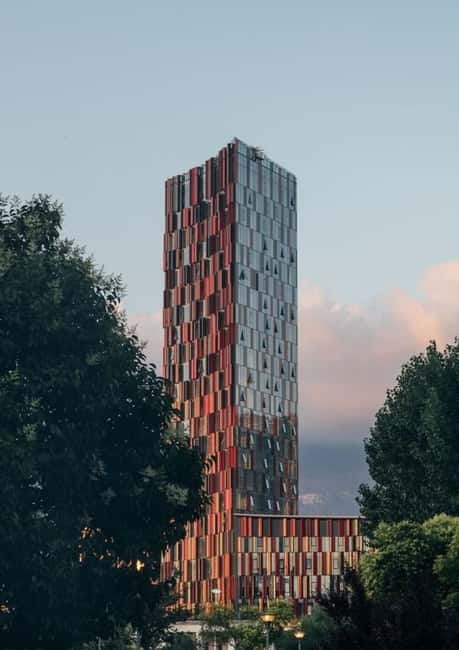
Tirana Castle comes next in the route, and it is one of the points where you start to feel the mix of old and new. Your guide uses the walk to explain why this area matters and how it fits the broader city layout.
This is also a place where a photo break makes sense. Some groups end up with extra minutes around Tirana Castle because guides naturally pause for photos and questions. If you want more time here, ask politely, and the guide will usually manage the group pace.
Then comes the Pyramid of Tirana, and that stop is a major reason people book this walk. It is described as a structure used as a museum to honor dictator Enver Hoxha, so you will not only hear the architectural story. You’ll also get the political context tied to the building.
In reviews tied to guides like Xhuli and others, I’ve seen travelers specifically mention enjoying the walk up the pyramid area for photos and the chance to pause when needed. That matters because the pyramid stop is more physical than a simple photo-from-the-street moment. Wear shoes you trust.
What I like about placing the Pyramid mid-tour is that by then you already understand the central landmarks. The Pyramid then reads like a statement, not a random stop.
Prime Ministry area, Murat Toptani promenade, then ex-Blloku at the city’s pulse
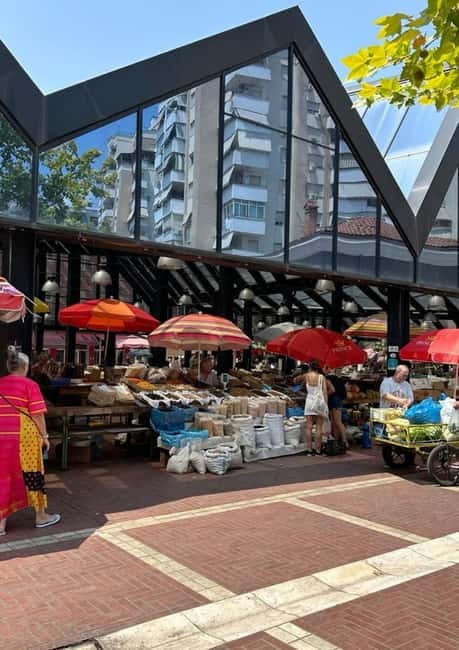
Between the Pyramid and the ex-Blloku area, you pass areas tied to political administration and the central promenade. Prime Ministry is included, and Promenade Murat Toptani is on the route too. These are quick but important waypoints, because they show how the “power and public space” map connects downtown.
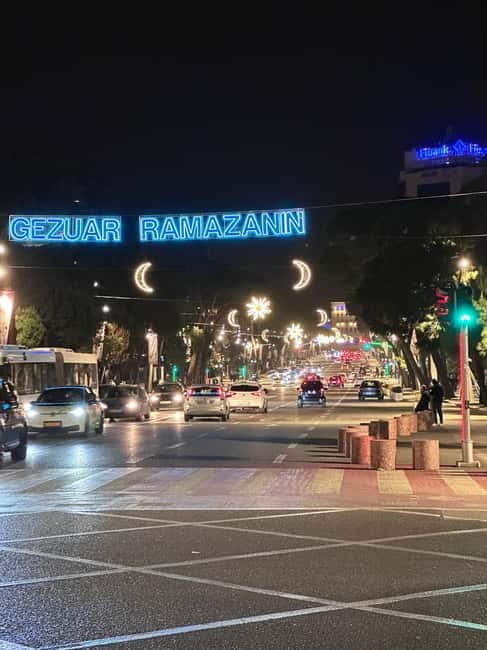
Then the walk moves toward the Block, also known as ex-Blloku. This is where Tirana starts to feel like a living city instead of an open-air museum. The tour highlights that ex-Blloku is known for nightlife, and you’ll feel that shift in the energy as you approach the neighborhood.
You are not being told to party. You’re being shown where the local social scene happens. If you’re doing the afternoon tour, this can be an especially useful intro, because you’ll understand where to go for dinner afterward. If you do the morning tour, it still helps for later planning.
One more practical bonus: many guides use this part of the route to share practical tips. In the review feedback, guides such as Denisa and Elisabeta are praised for offering helpful suggestions about where to eat or what to do next. So if your guide asks, you can ask back, especially if you like a food or bar plan.
Guide impact: why this tour scores about 4.9 for a reason
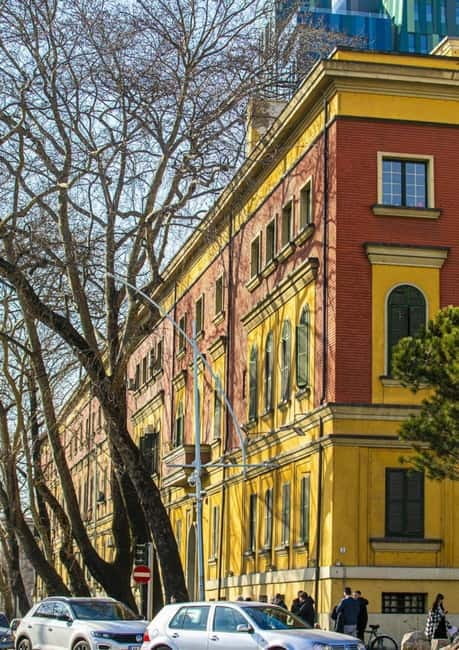
The guide is the difference between a walk that feels like homework and one that feels like a city lesson you want to keep talking about. This tour’s standout feedback is very consistent: friendly guides, patient answers, good English, and a calm style that makes questions easy.
You’ll see names pop up in feedback over and over: Jani, Xhonatan, Marcel (and also guides with similar names in different groups), Denisa, Elisabeta, Orlanda, Josef, Dora, Lavderim, Glen, Erind, Jetnor, and Xhuli. That tells me something practical for your planning. This is not a random route with random commentary. The guides are part of the product.
Also pay attention to pacing. Several mentions call out guides who keep a relaxed tempo, pause for photos, and handle groups moving a bit slower when people are cold, tired, or just want that one perfect picture. It’s not about rushing through big names. It’s about understanding what you’re seeing.
If you care about history explanations but also want modern reality context, this is a good match. Reviews mention guides blending Albania’s past with modern-day observations, and that is exactly how you make the city feel real.
Price and time: is $12 for 150 minutes actually a deal?
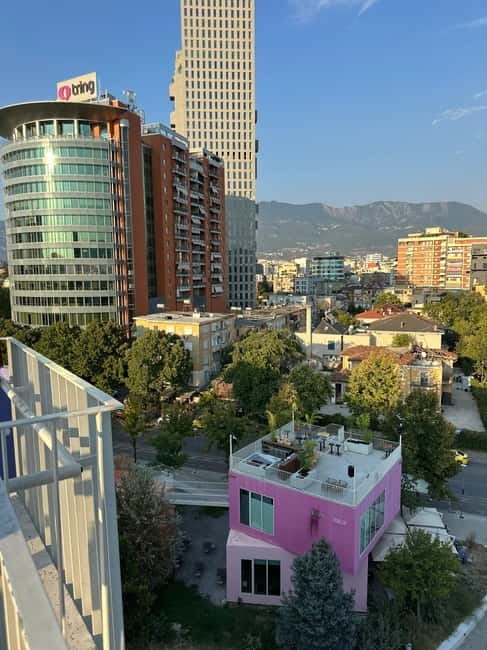
Let’s do the simple math in plain terms. You pay $12 for about 150 minutes, and you get a licensed local guide plus a structured center route that hits major landmarks and religious sites. There is no hotel pickup included, so you handle your own arrival at Skanderbeg Square, which is pretty straightforward if you’re already staying nearby or can reach the center.
For the money, you’re buying three things:
- A guide to connect the dots so you do not have to research each stop on the fly
- A walk that saves time on navigation because you follow a sensible route
- Time in central Tirana where you can later decide what deserves deeper visits
If you love self-guided exploring, you can replicate some of this on your own later. But the value here is the explanation. Without that, it is just a lot of walking to buildings you might not understand.
I’d consider this tour especially if Tirana is new to you. First day, jet lag, and limited time all make a guided “orientation walk” feel worth it.
What you need to bring, and how to avoid the common walking-day issues
You are outdoors for much of the experience, so pack for comfort, not just photos. Bring comfortable shoes. Bring water. Bring a camera or use your phone, but keep the battery charged. Sunscreen helps on bright days. If rain is possible, bring an umbrella or a plastic cover.
Plan for a steady walking pace. This tour is not designed for slow strolls. It is more like a guided route where you stop often enough to learn, but not often enough to turn it into a half-day hike.
One more straightforward rule: alcohol and drugs are not allowed.
Who this tour suits, and who should skip it
This walking tour is best for people who can comfortably handle about 2.5 hours walking in the city center. If you enjoy history and city storytelling, you will likely like how your guide brings together political sites, religious buildings, and neighborhood atmosphere.
It is not suitable for pregnant women, people with mobility impairments, wheelchair users, or people over 80. If you fall into one of those categories, you’d probably be happier with a less walking-heavy option.
Also be honest about weather. Winter cold or summer heat can make 150 minutes outdoors harder than it sounds, even with frequent photo stops.
Should you book the Tirana Center Magic Walking Tour?
Yes, if you want a fast, well-taught orientation to Tirana’s core. Book it for your first day or early in your trip so you can decide what to go back to later, including the Pyramid area and the museum stops you saw from outside.
Skip it if you hate walking, need lots of indoor time, or prefer a deep museum schedule. Also consider not booking if you need accessible routes, because this is specifically described as not suitable for wheelchair users and people with mobility impairments.
Final practical tip: arrive at Skanderbeg Square early, ask questions throughout, and wear shoes you can trust for the pyramid approach. If you do those three things, you’ll get much more out of the $12 than just a checklist of places.
Added to Tirana lately
- Semi-Private Hiking Tour; Theth,Valbona&Koman Lake in 3 Days★ 5.0 · 1 review
- Kosovo, Prizren Day Trip from Tirana★ 3.0 · 1 review
- Private 1 Day Berat Tour from Tirana★ 5.0 · 1 review
- Private 3 Days Adventure in Albania and Gjirokaster County★ 5.0 · 1 review
- From Tirana: Ksamil Islands, Saranda, & Blue Eye Day Trip★ 5.0 · 1 review
- Tirana Airport Private Transfer To City★ 5.0 · 1 review
- Architectural Walking Tour Discovering Tirana’s Modern Identity★ 5.0 · 1 review
- From Shkoder: 3-Day Valbona to Theth Hike Tour All Inclusive★ 5.0 · 1 review
Walking Tours, compared.
Blue Eye Kayak and walking tour & Lekursi Castle
Read our review →

Browse the lists this tour appears in