
Reviewed · BERAT, OSUMI & BOGOVA TRIPS
“Discover Berat: Explore By Walking”
Berat has a way of making you slow down. From the start, I loved how Sergi’s calm, friendly storytelling made the streets feel personal, not like a list of dates, and I also liked the amount of time you get on Berat Castle. The one thing to consider is that this is a walking tour that depends on good weather, so if it’s slippery or rainy, you may feel the pace more than you hoped.
You’ll move through the city’s main layers, Orthodox churches to Ottoman-era architecture, and you’ll do it with a guide who works in interactive, hands-on moments where you might touch, taste, or smell parts of the story. It’s also private, so your route tempo stays comfortable for your group, not a crowded queue.
In This Review
- Key highlights you should know
- Walking into Berat’s two neighborhood worlds, Gorica and Mangalem
- Start Point St. Demetrius Cathedral, then a quick church intro that sets the tone
- Xhamia Mbret, the King’s Mosque, where Ottoman details do the talking
- Gorica Bridge and the Osum River views, fast but unforgettable
- Quarter of Gorica, narrow streets and traditional Ottoman-style houses
- Mangalem (pass by), the hillside houses and the City of a Thousand Windows
- Berat Castle for about two hours, the part that gives the city scale
- Holy Trinity Church inside the walls, a short stop with strong art vibes
- National Iconographic Museum Onufri, where the art gets personal
- The Sergi factor, why this walk feels like a conversation
- Price and value for a 3 to 4 hour private walk
- Who should book Discover Berat by Walking?
- Should you book it?
Key highlights you should know
- Sergi’s storytelling is the star, calm and easy to follow, with a real love for Berat
- Berat Castle time is long enough to actually look around, not just pose and go
- King’s Mosque (Xhamia Mbret) includes admission, so you don’t waste time figuring out entry
- Osum River viewpoints come fast, from Gorica Bridge to the neighborhoods across the water
- Onufri Museum access includes admission, focused on the Albanian iconographer Onufri
- Private group format means less waiting and more back-and-forth questions
More Walking Tours in Tirana
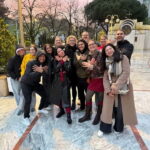

Walking into Berat’s two neighborhood worlds, Gorica and Mangalem
Berat feels split in two, and the best way to understand that is to walk it. The tour pairs key stops that help you see how the city developed along the Osum River, with older quarters on one side and the famous hillside views on the other. You’re not just looking at buildings, you’re learning how the geography shaped daily life, where people stood, walked, and built.
You’ll begin at the Saint Demetrius Orthodox Cathedral meeting area (listed as the meeting point), then the route includes a pass by Saint Nicholas Greek Orthodox Cathedral. That opening matters because it sets the tone: Berat isn’t one culture, one era, or one style. It’s a stack, and a guide makes those layers make sense as you go.
On a private walk, you also get breathing room. If you want to ask something or linger at a viewpoint, you can, without holding up a full tour group. Your feet do the work, but you control the rhythm.
Start Point St. Demetrius Cathedral, then a quick church intro that sets the tone
The first moments of a walking tour can be awkward, especially if everyone else is already clued in. Here, you get a clear start at Saint Demetrius Orthodox Cathedral, then you pass by Saint Nicholas Greek Orthodox Cathedral. That short church-to-church transition is useful because it gives you a frame for what you’ll see later, Byzantine-style space and Ottoman-era religious architecture.
Think of it like warming up before the “main act.” You’ll be more attentive when the guide starts connecting art, architecture, and everyday community life. And since the tour includes interactive storytelling, having the spiritual and historical context early makes the sensory parts easier to appreciate.
Practical tip: wear shoes you like. Berat’s historic areas can mean uneven pavement and steps, and the castle portion later demands real foot comfort. You’ll be happier if your shoes are already broken in.
Xhamia Mbret, the King’s Mosque, where Ottoman details do the talking
Next up is Xhamia Mbret (King’s Mosque), built in the 15th century during the Ottoman period. This is one of Berat’s major religious monuments, and the tour schedules it for about 20 minutes with admission included. That timing is smart. It gives you enough minutes to look at architectural details without it feeling rushed.
The best part is that a mosque visit here isn’t just about stepping inside a pretty building. The guide ties it to the Ottoman presence and the way religious life left visible marks across neighborhoods. You’ll learn what to notice, like how the structure communicates identity and power, and why this particular mosque became so central to Berat’s story.
One consideration: for religious sites, you’ll want to be respectful with how you dress and behave. The tour doesn’t spell out dress rules, so it’s safest to bring a simple, modest outfit, and keep your phone use quiet inside.
Gorica Bridge and the Osum River views, fast but unforgettable
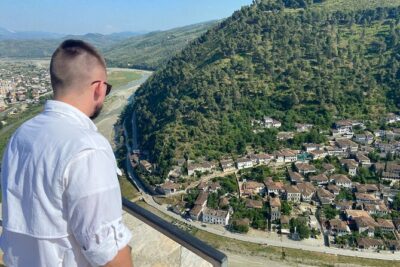
Then the walk shifts into scenery. Gorica Bridge is a quick stop, around 10 minutes, and it’s free. The guide uses it as a connective point between neighborhoods across the Osum River, and the bridge’s age and role make it more than a photo opportunity. It was originally built in the Ottoman period and later reconstructed, which means you’re seeing layers again, just in a different format.
What you’re really buying with this short stop is perspective. From here, you start to understand why people built where they built and why the city feels so theatrical from certain angles. If you like views, this part will feel like a reward you get early in the walk.
If it’s windy, expect the viewpoint to be more exposed than you’d think. Bring a light layer, especially if you’re going in shoulder season.
A few more Berat, Osumi and Bogova trips:
- Berat city UNESCO tour, the Castle & Belshi lake- From Tirana
★ 5.0 · 804 reviews - Berat-Durres and Belsh Lake, day tour from Tirana
★ 4.5 · 274 reviews - Berat Tour Osumi Canyons Exploration Lunch Transfer
★ 4.5 · 212 reviews - Osumi Canyons and Bogova Waterfall from Berat – Tour by 1001 Albanian Adventures
★ 5.0 · 177 reviews
Quarter of Gorica, narrow streets and traditional Ottoman-style houses
Across the river is the Quarter of Gorica, another quick stop around 10 minutes, free to visit. The tour focuses on the neighborhood’s traditional Ottoman-style houses and the feel of narrow cobblestone streets. That short timing works because Gorica reads best when you feel the street texture, not when you try to tour it for hours.
This is also the type of place where a good guide matters. Without explanation, you might just see old houses. With a guide, you start seeing patterns: how homes relate to the street, how the neighborhood’s layout reflects the era that shaped it, and how Berat’s identity shows up even at ground level.
If you’re sensitive to lots of walking on uneven stones, take your time here. Ten minutes sounds short, but cobbles can slow you down.
Mangalem (pass by), the hillside houses and the City of a Thousand Windows
Next, you pass by Mangalem, one of Berat’s most famous quarters. It’s often called the City of a Thousand Windows because the Ottoman-style houses stack up along the hillside. This is one of those places where a single viewpoint can trigger that wow moment, even when you’re just passing by.
The main value of doing it as a pass-by is time management. The tour saves the heavy attention for the castle and the icon museum later. You still get the signature Mangalem image, but you don’t lose the rest of your afternoon.
If you want maximum photos, position yourself quickly near the best view points. In a walking format, the best shots can depend on timing, so don’t wait until the group has already moved on.
Berat Castle for about two hours, the part that gives the city scale
Now comes the big one, Berat Castle, scheduled for about two hours with admission included. If you only do one segment slowly, make it this. The castle sits above the city and the Osum River, so it’s the easiest place to get the full layout in your head.
Time here does more than create better photos. It helps you connect the earlier stops to the city’s structure. When you look down, you can link what you saw in Gorica and Mangalem to where people likely lived and how movement through the city would have felt.
You’ll also appreciate the way the castle keeps history visible. Berat Castle is described as dating back to ancient times and being continuously inhabited for centuries, which is exactly why the views feel lived-in instead of museum-like.
Practical note: castles usually mean uneven ground, and you may climb some areas. The tour does not list difficulty levels, so if you have mobility issues, ask the provider ahead of time if there are options for your pace. The tour’s structure is “walking,” and you’ll feel that here.
Holy Trinity Church inside the walls, a short stop with strong art vibes
Inside the castle complex, you’ll visit Kisha Shen Triadha (Holy Trinity Church) for about 10 minutes, free. It’s described as Byzantine-style, dating to the 13th to 14th century, and it’s known for architectural features that blend Byzantine and local elements.
Short stops can be risky on tours because you can miss the details. Here, the stop length is balanced. You get a taste of what the church represents inside the larger castle story, and you’re not stuck staring at one spot while you wait for the next segment.
If the light is right, this is a great place to pause and look at proportions and design rather than just scanning. A guide can point you toward what matters most visually, and that turns the short visit into a memorable one.
National Iconographic Museum Onufri, where the art gets personal
The final scheduled cultural stop is National Iconographic Museum Onufri, about 1 hour with admission included. It sits within the Holy Trinity Church complex. The museum is dedicated to Onufri, a renowned Albanian iconographer, and it showcases the story told through icon art.
This stop is valuable because it shifts you from architecture to meaning. You’ve seen structures shaped by different eras. Now you see how religious art carried identity and beliefs in a way that stayed relevant across time.
Even if you’re not an art fanatic, the museum format helps. Icons are not just pictures, they’re visual theology. A guide can help you look beyond the surface, so you understand why these images mattered to the communities that commissioned them.
If you like museums but hate rushing, this hour is a good fit. It’s long enough to absorb, and it comes after the castle so you already feel the setting.
The Sergi factor, why this walk feels like a conversation
One review stood out for its simple message: Sergi made the experience feel easy and magical. The praise wasn’t about flashy tricks. It was about being friendly, calm, and passionate, and then translating that passion into stories you could actually follow.
That matters a lot on a walking tour. The route has a fixed order, but the emotional payoff depends on how the guide connects dots. With Sergi, the city’s history doesn’t feel like memorization. It feels like a place you’re meeting, street by street.
If you’re traveling alone, this kind of guide can make a big difference. A private tour means you can ask questions without feeling self-conscious, and a guide who puts you at ease helps you enjoy the walk instead of worrying whether you’re doing it right.
Price and value for a 3 to 4 hour private walk
At $48.02 per person, this tour sits in a reasonable mid-range spot for a private 3 to 4 hour experience, especially because multiple entries are included. In the schedule, admission tickets are included for Xhamia Mbret, Berat Castle, and the National Iconographic Museum Onufri.
Here’s how I’d think about value if you’re deciding today. You’re paying for:
- A guided route that links Orthodox, Ottoman, and museum stops into a single story
- Private pacing, not a crowded group experience
- Built-in time at the castle and museum, rather than quick exterior peeks
If you were to buy separate tickets on your own and then try to navigate the context by yourself, you’d likely spend time figuring things out. This tour trades your time for someone else’s structure, and for many visitors that’s the real bargain.
Who should book Discover Berat by Walking?
I’d point you toward this tour if:
- You’re visiting Berat for the first time and want a guided route that makes the city’s layers click
- You like walking tours that still include real museum and monument time
- You care about Ottoman and Byzantine-era architecture, plus icon art connected to Onufri
- You want a private setup where you can take questions at your own speed
I’d think twice if:
- You’re not comfortable walking in historic areas that can include uneven cobblestones and castle ground
- Your trip schedule is fragile around weather, since the tour requires good weather
Should you book it?
If you want a thoughtful Berat introduction with strong storytelling, I think this is a smart pick. The key win is that you get both visual landmarks and explanation that makes them stick, plus admissions included for the stops that usually take longer to organize yourself.
Book it if you like architecture, churches, Ottoman neighborhoods, and icon art, and if you can keep the morning free around the start time. Skip it only if you know you cannot handle a walking, outdoor-heavy route, or if weather will likely be rough during your dates.
Added to Tirana lately
- Semi-Private Hiking Tour; Theth,Valbona&Koman Lake in 3 Days★ 5.0 · 1 review
- Kosovo, Prizren Day Trip from Tirana★ 3.0 · 1 review
- Private 1 Day Berat Tour from Tirana★ 5.0 · 1 review
- Private 3 Days Adventure in Albania and Gjirokaster County★ 5.0 · 1 review
- From Tirana: Ksamil Islands, Saranda, & Blue Eye Day Trip★ 5.0 · 1 review
- Tirana Airport Private Transfer To City★ 5.0 · 1 review
- Architectural Walking Tour Discovering Tirana’s Modern Identity★ 5.0 · 1 review
- From Shkoder: 3-Day Valbona to Theth Hike Tour All Inclusive★ 5.0 · 1 review
Berat, Osumi & Bogova Trips, compared.
Berat city UNESCO tour, the Castle & Belshi lake- From Tirana
Read our review →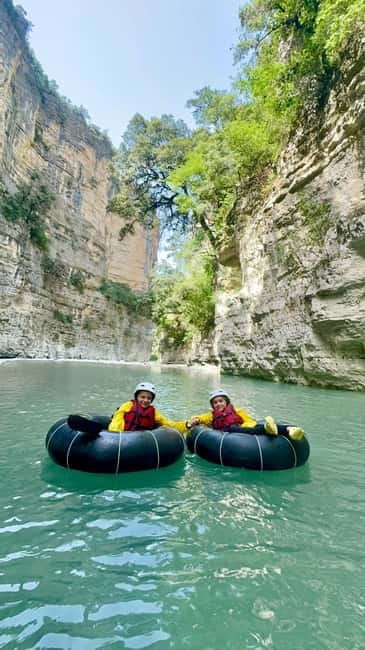
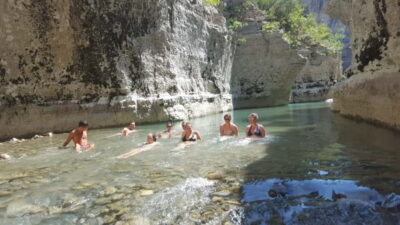
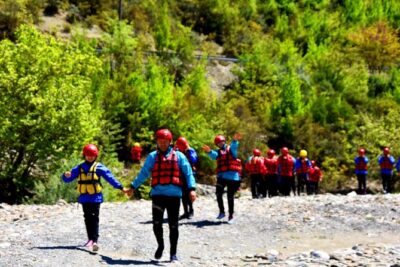
Berat Tour Osumi Canyons Exploration Lunch Transfer
Read our review →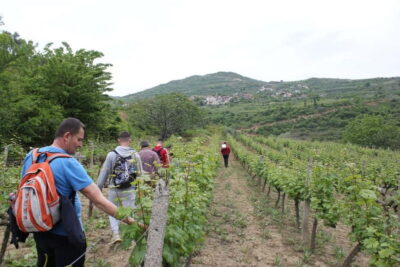
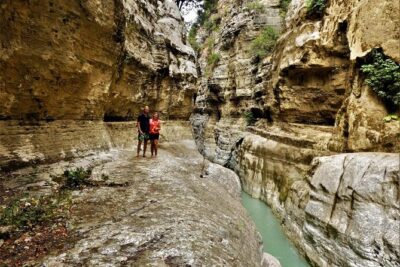
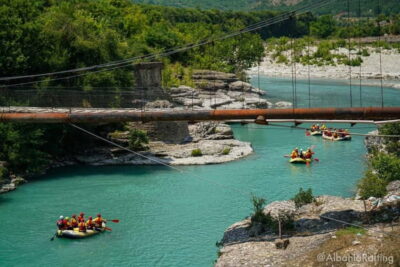
Osumi Canyons and Bogova Waterfall from Berat – Tour by 1001 Albanian Adventures
Read our review →Browse the lists this tour appears in