
Reviewed · WALKING TOURS
Tirana: Walking Tour of Tirana &National Archeologic Museum
Tirana can feel like a history class with great coffee breaks. This half-day walk is a smooth way to connect Albania’s past to today, from Ottoman-era places of worship to communist symbols like the Pyramid of Tirana, with the kind of clear guide explanations that make the time fly. I particularly like the raki stop at the Pyramid and the way the tour maps big historical shifts onto real city streets, but do plan for 3 hours of walking and skip it if mobility is an issue.
You’ll start at the National Archaeological Museum, then move through the historic center by foot, hitting major squares and mosques, plus the neighborhoods that help explain why Tirana grew from a village into a capital. The route is also practical, because you get a guided story first, then you end with breathing room in the heart of the city. Bring comfortable shoes and a camera, because there are plenty of photo stops that you will want to remember later.
In This Review
- Key highlights you will actually feel
- Why Tirana feels like a living timeline
- National Archaeological Museum, your head-start on Tirana
- Pyramid of Tirana and the raki toast on top
- The Italian boulevard feel, plus Tirana Castle stop
- Skanderbeg Square and the 13th-century resistance story
- Catholic Cathedral, Mother Teresa, and religion as a real part of life
- Et’hem Bey Mosque and the Ottoman details you can spot
- Orthodox Cathedral, then the story across faiths
- The old village to the 1920 capital decision
- The new mosque and the Balkans geopolitics angle
- Blloku neighborhood, communist power turned into modern nightlife
- Mother Teresa Square and where to linger after
- Price and value: does $38 match what you get?
- Who should book, and who should skip
- Should you book the Tirana walking tour with the museum and Pyramid raki?
- FAQ
- How long is the Tirana walking tour?
- Where does the tour start?
- What languages are offered by the guide?
- What is included in the price?
- Is the raki included?
- Is transportation included?
- What should I bring?
- Is this tour suitable for people with mobility impairments?
Key highlights you will actually feel
- A raki glass at the Pyramid of Tirana, a classic Tirana photo moment with a story attached
- National Archaeological Museum as your starting context, before you walk the streets
- Skanderbeg Square and the pedestrian center, built for walking and made for landmark photos
- Et’hem Bey Mosque and the Ottawa-era style details, including frescoes
- Blloku neighborhood, where communist-era power once lived and nightlife now takes over
- Mother Teresa Square, where the tour ends and you can keep exploring on your own
More Walking Tours in Tirana
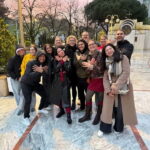
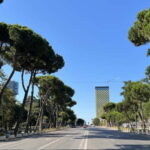
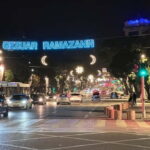

Why Tirana feels like a living timeline
Tirana’s not just one era, it’s several stacked on top of each other, and this tour helps you see the layers in the right order. You start with the museum, then you move outward into the city, so the symbols stop feeling random. Instead, you start noticing patterns: empires and religion, political change, and how the city’s layout grew through different rulers and decisions.
If you like history, this is the rare tour that turns facts into street-level reality. You look at monuments, but your guide ties them to Albania’s resistance, shifting power, and identity. I also like that the itinerary does not treat modern Tirana as an afterthought. It threads the present into the story, especially around places like Blloku.
The one trade-off is the walking time. You are doing about 3 hours on foot, so comfy shoes matter more than any museum ticket ever will.
National Archaeological Museum, your head-start on Tirana
Starting at the National Archaeological Museum is smart, because Tirana’s center can otherwise feel like a collage of landmarks. With a guide leading you through the museum, you get context for what you will see outside: Albania’s long timeline, and the cultural building blocks that shape what comes later.
From a traveler point of view, I like museum starts because they help you stop guessing. Instead of thinking, I wonder why this matters, you walk out already understanding the big themes. You also get a break early in the day, which helps if you are coming in fresh.
This stop also has a practical upside: the entrance fee is included, so you do not have to figure out ticket logistics mid-trip.
Pyramid of Tirana and the raki toast on top
The Pyramid of Tirana is the kind of place that forces a question: how did a city end up with a symbol like this? Your guide explains its role as a museum tied to Enver Hoxha, so you understand why this structure is still talked about. Even if you are not a communist-history person, you will come away with a clearer sense of how Albania wanted to frame itself during that period.
Then comes the part that makes it feel distinctly Tirana: a glass of raki at the top. It’s not a random snack. Your guide uses the moment to connect the setting to the story of the communist period and how public space in the city has shifted since then. Also, it’s a simple, easy included touch that makes the tour feel like more than just a checklist of buildings.
Practical note: you are taking in sights on an elevated stop, so having your camera ready matters.
The Italian boulevard feel, plus Tirana Castle stop
As you move through the city, you’ll see a main boulevard built by Italians in the 1930s. This matters because it shows how Tirana’s city planning was reshaped by outside influence, and then adapted by locals over time. You are walking on a corridor that helps explain why the center feels the way it does today, with big public spaces designed for flow and visibility.
You also get a stop for Tirana Castle. The important thing here is not inventing details you are not told, it’s that you are getting a guided connection between older Tirana identity and the modern city layout. A castle stop usually changes how you see a place, because you start thinking in terms of fortification and defense, not just strolling.
I like this part of the walk because it breaks up the day. You are not stuck on only squares and museums. You shift into a more scenic, older-city mood.
Not sold yet? More of Tirana to sift through:
- From Tirana: Bovilla Lake & Gamti Mountain Hiking Day Trip
★ 4.9 · 4,397 reviews - From Tirana: Bovilla Lake & Gamti Mountain Hiking Tour
★ 4.9 · 3,003 reviews - From Tirana: Bovilla Lake & Gamti Mountain Viewpoint Hike
★ 4.8 · 2,053 reviews - Tirana/Durres/Golem: Saranda, Ksamil, Blue Eye Day Trip
★ 4.8 · 1,584 reviews
Skanderbeg Square and the 13th-century resistance story
Once you reach the pedestrian area leading into Skanderbeg Square, Tirana starts to feel more ceremonial. This is one of the city’s central stages, with an iconic Skanderbeg statue and architecture that makes the square feel designed for gatherings. You will also learn who Gjergj Kastrioti Skenderbeu was, and why his resistance against the Ottomans in the 13th century still matters in Albanian identity.
What I like about this segment is that it gives you a focus. People can treat squares as photo backdrops. Here, you understand why the monument exists and what narrative it reinforces. That makes the statue more than a figure in a corner of your camera.
If you are the type who likes walking through a city while understanding the political meaning of monuments, you will get a lot out of this stop.
Catholic Cathedral, Mother Teresa, and religion as a real part of life
The tour includes a visit to the Catholic Cathedral, where your guide talks about religions in Albania. This is where the day turns from power and resistance to everyday identity. You get a clearer sense of how different faiths fit into Albania’s story, rather than treating religion as a side topic.
You also hear about Mother Teresa, who is Albanian. Even if you know her name already, hearing her story woven into a living city tour makes it feel more personal. It reframes her as part of Albania’s cultural identity, not only a name on a school textbook.
This stop also helps balance the religious variety you will see later, including Ottoman-style and Orthodox architecture.
Et’hem Bey Mosque and the Ottoman details you can spot
At the Et’hem Bey Mosque, you get a close look at Ottoman architecture with intricate frescoes. This is the kind of stop where a guide really helps, because the details can be easy to miss when you’re just snapping pictures. With context, you notice the textures, the design choices, and why the building became a landmark.
I particularly like how this mosque stop complements Skanderbeg Square. You go from national hero symbolism tied to resistance, to a place of worship shaped by Ottoman-era influence. That contrast is exactly what makes Tirana feel like a timeline you can walk through.
Also, because the tour is guided, you are not left standing around wondering what you should be looking at.
Orthodox Cathedral, then the story across faiths
Next comes the Resurrection of Christ Orthodox Cathedral, another piece of the religion map your guide is building. Seeing multiple faith landmarks in one afternoon gives you a practical understanding of how Albania’s identity expresses itself in public spaces.
This part works well if you like comparisons. You are not just collecting monuments, you are seeing different architectural languages within the same city. It makes Tirana feel more complete, and it helps the rest of the story click when you move into neighborhood history later.
The old village to the 1920 capital decision
One of the most interesting ideas in the tour is the stop around “the old village” of Tirana before it was decided in 1920 that it would become the capital. This is where the story changes from political eras to city growth. You start thinking about the decision-making that can transform a place fast, and how capitals do not always begin as grand cities.
I like this stop because it gives you a reality check. A capital is not inevitable. It happens because people and power decide it should. When you understand the 1920 shift, the rest of your walking makes more sense, including why today’s streets and squares feel as intentional as they do.
You are not just looking at buildings. You are tracing the logic behind why Tirana became Tirana.
The new mosque and the Balkans geopolitics angle
The tour also includes a visit to the new mosque, described as constructed personally by Turkish leader Erdogan. That detail matters because it ties a religious landmark to modern geopolitics, not just older Ottoman influence.
If you want to understand the Balkans as a region where culture, politics, and identity overlap, this stop delivers. You see how modern power can still shape the city’s physical face, and how current relationships can leave clear traces in public architecture.
This is also a nice reminder that Tirana is not stuck in the past. It is actively being written in the present.
Blloku neighborhood, communist power turned into modern nightlife
Then you head to Blloku, which was the residence of communist leaders and is now transformed into an area with bars, clubs, and restaurants. This is a striking switch, and it is not just a change in businesses. It’s a change in who used the space and what kind of freedom people feel there now.
I like that this tour calls attention to the contrast instead of pretending the past vanished. You walk through a neighborhood that looks like entertainment on the surface, but your guide keeps one foot in history so you understand what you are seeing.
It’s a smart stop for getting your bearings, because Blloku is also where many visitors end up later. You’ll already know the story behind it before you go looking for dinner.
Mother Teresa Square and where to linger after
The tour ends at Mother Teresa Square, where you can admire the historic building of the university and the modern stadium. You get a full hour of free time here, which is exactly what I want after a walking tour. Your brain has had its history input, and now you can slow down and soak it in.
This is also a practical stopping point. If you want to keep exploring on your own, you can do it with less pressure, since you already understand the city center’s main landmarks.
Price and value: does $38 match what you get?
At $38 per person for about 4 hours, this tour is priced like a solid mid-range walking experience, but the value depends on what you care about. If you want guided context for multiple major sites in one afternoon, this is strong.
Here’s what you get bundled in:
- Museum entrance at the National Archaeological Museum
- The Pyramid of Tirana visit
- A glass of raki on top of the pyramid
- Visits to major places of worship including the Catholic Cathedral, Et’hem Bey Mosque, and the Resurrection of Christ Orthodox Cathedral
- The new mosque stop tied to modern geopolitics
- Time in key historic city areas, including Skanderbeg Square and Blloku
What’s not included is also clear. You will not have transportation handled, and meals and drinks are only covered for the specified raki.
If you are a first-time visitor to Tirana, or you want your history delivered in a human way rather than in an app, $38 is a fair deal. If you already know the story and you hate walking, you might feel the price is more than you need.
Who should book, and who should skip
This tour fits you best if you:
- Like learning through places, not just reading about them
- Want a guided route through Tirana’s main historic center
- Enjoy contrasts, like communist-era symbolism next to Ottoman-era architecture
- Are comfortable with 3 hours of walking
I’d skip it if:
- You have mobility limitations that make extended walking hard
- You want a slower pace with long sit-down breaks
- You prefer self-guided museum time only, with no neighborhood stops
Should you book the Tirana walking tour with the museum and Pyramid raki?
In my view, this is an easy yes if you want a first solid orientation in Tirana. The museum start, the Pyramid raki moment, and the mix of Ottoman, Orthodox, Catholic, and modern religious landmarks give you a full picture without feeling like you’re cramming too much.
One more reason I like it: the guide is the centerpiece. Recent experiences highlight guides like Nik, Nick, and Beri for giving clear explanations and connecting the dots, so you do not end the tour with a bunch of photos and no meaning. If you show up with comfortable shoes and a camera ready, you will leave with Tirana feeling more understandable, not just more photographed.
If you want history served with an actual sense of place, book it. If you want a gentle stroll only, choose a lighter plan instead.
FAQ
How long is the Tirana walking tour?
It lasts 4 hours total. The tour includes about 3 hours of walking, so plan your day with shoes and stamina in mind.
Where does the tour start?
Meet in front of the National Archaeological Museum, where the guide will be waiting with a sign that says Albaniaroadtrip.
What languages are offered by the guide?
The tour is listed as having a live guide in English and Italian. The guide is also listed as a certificated national guide with English, French, and Italian options.
What is included in the price?
The tour includes a guided walking tour of Tirana, entrance to the National Archaeological Museum, visits to the Pyramid of Tirana, and stops that include the Catholic Cathedral, “the old village” area, the new mosque, and key central sights like Skanderbeg Square. It also includes Et’hem Bey Mosque, the Orthodox Cathedral, Blloku, and Mother Teresa Square.
Is the raki included?
Yes. You get a glass of raki on the top of the Pyramid of Tirana.
Is transportation included?
No. Transportation to the starting point is not included.
What should I bring?
Wear comfortable shoes, and bring a camera for photos.
Is this tour suitable for people with mobility impairments?
No, it is listed as not suitable for people with mobility impairments.
A Few More Museum Visits in Tirana
Added to Tirana lately
- Semi-Private Hiking Tour; Theth,Valbona&Koman Lake in 3 Days★ 5.0 · 1 review
- Kosovo, Prizren Day Trip from Tirana★ 3.0 · 1 review
- Private 3 Days Adventure in Albania and Gjirokaster County★ 5.0 · 1 review
- Private 1 Day Berat Tour from Tirana★ 5.0 · 1 review
- From Tirana: Ksamil Islands, Saranda, & Blue Eye Day Trip★ 5.0 · 1 review
- Tirana Airport Private Transfer To City★ 5.0 · 1 review
- Architectural Walking Tour Discovering Tirana’s Modern Identity★ 5.0 · 1 review
- From Shkoder: 3-Day Valbona to Theth Hike Tour All Inclusive★ 5.0 · 1 review
Walking Tours, compared.
Tirana Center: Magic Walking Tour French/Italian/English Etc
Read our review →
Blue Eye Kayak and walking tour & Lekursi Castle
Read our review →

Browse the lists this tour appears in