
Reviewed · CITY TOURS
Tirana City Tour with Hotel Pickup
Walking Tirana tells the story fast. This 3 to 4 hour small-group tour starts with hotel pickup, then shifts into an easy-on-your-feet loop through Ottoman landmarks, big churches, and Communist-era reminders that still shape Tirana today.
I especially like how the route mixes religion, architecture, and politics without feeling like a textbook. The guide (often listed as Adi or Adnan) keeps things personal, answers questions, and stays patient when you want to pause for photos.
One thing to plan for: it is mostly a walking tour, so if the weather is hot, you may feel it in your legs. Also, a couple of people expected more time in a vehicle, so set your expectations for walk-first.
In This Review
- Quick hits before you go
- Skanderbeg Square: the easiest way to get your bearings
- Et’hem Bey Mosque and the comeback after communism
- Resurrection Cathedral and Saint Paul Cathedral, side by side in values and style
- Tirana Castle and the clock tower climb for big-picture views
- National Historical Museum time, if you want the long arc
- BunkArt 2: the cold air museum stop you remember
- House of Leaves: secret police stories with interactive detail
- Enver Hoxha Pyramid: from propaganda shape to modern youth tech
- Pazari i Ri: end with food, photos, and a calmer pace
- Price and logistics: is it good value at about $30
- Who this tour suits best (and who might want another option)
- Should you book this Tirana city tour with hotel pickup?
- FAQ
- How long is the Tirana City Tour?
- Is hotel pickup included?
- What language is the tour offered in?
- What is the group size?
- Is a mobile ticket used?
- Does the tour include tickets for BunkArt 2?
- Can I climb the Clock Tower or Piramida?
- Is the National Historical Museum visit optional?
- What is the cancellation policy?
Quick hits before you go
- Hotel pickup + park-and-walk style makes it easier to start than jumping into the city on your own
- Skanderbeg Square orientation helps you understand where everything sits, fast
- A short stop rhythm means you see more without a forced marathon
- BunkArt 2 is a standout for understanding everyday life and repression under Communism
- Piramida views from the stairs are a fun payoff after the museums
- Pazari i Ri adds a tasty local break at the end of the tour
More City Tours in Tirana

Skanderbeg Square: the easiest way to get your bearings
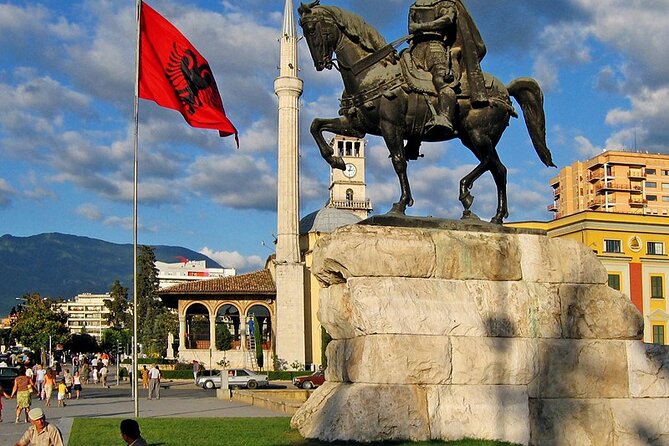
The tour begins at Skanderbeg Square, Tirana’s main meeting point for people on errands, families out for the afternoon, and events when something is going on. It is a smart first stop because many of the sites you’ll see later are part of this same inner-city story.
Your guide points out the landmarks around the square, including the Palace of Culture from the communist period and the Clock Tower area that you’ll revisit later. You also hear the stories behind what the buildings meant at different times, so when you walk past them again, they feel less random.
If you want a bonus history hit, the National Historical Museum is described as an optional add-on near the start. That can be handy when you arrive in Tirana with limited time, or when you want to front-load museum time and then keep the rest of the route lighter.
Practical tip: wear shoes you can walk in for a few hours. Even if the tour sounds short, the route stacks up several stops close together.
Et’hem Bey Mosque and the comeback after communism
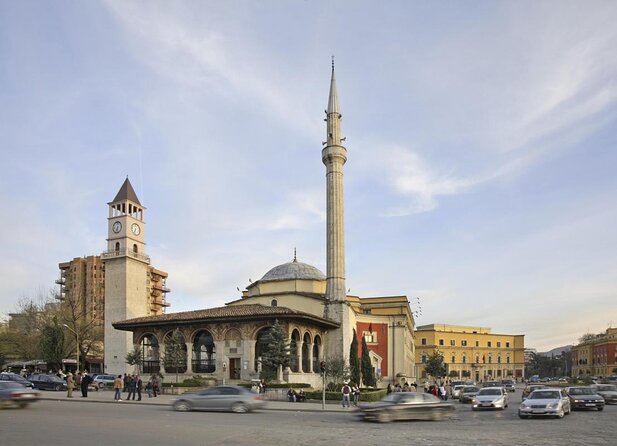
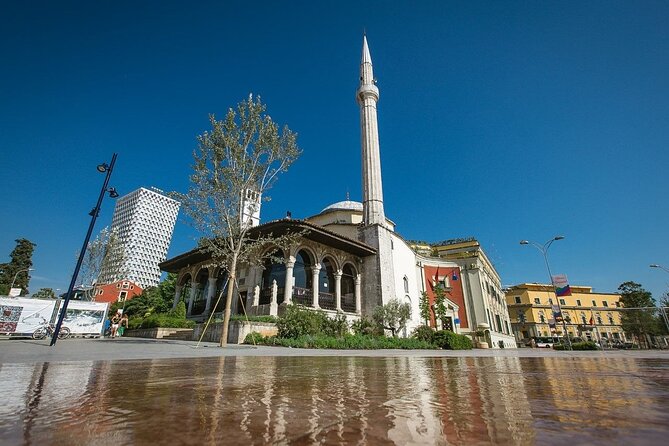
Next comes Et’hem Bey Mosque, an 18th-century Ottoman masterpiece known for its decorative details and interior artistry. Even if you are not a big church or mosque person, this is worth it because it shows how Tirana looked when Ottoman influence was shaping the city center.
What I like here is the human timeline your guide shares: the mosque was closed in 1968 during the communist regime, then reopened in 1991 after the fall of communism. One of the most striking parts of the story is that many believers took part in the reopening, and it reportedly happened without police interference, despite laws that still restricted religious gatherings at the time.
You do not need to treat religion here as a debate. The point is cultural resilience, how faith communities kept identity alive, and how a single building can carry memory through policy changes.
Practical tip: dress respectfully. The tour is short, but you’ll likely still need shoulders and knees covered during your visit.
Resurrection Cathedral and Saint Paul Cathedral, side by side in values and style
From Ottoman-era architecture, you shift to Albania’s Christian landmarks. First is the Orthodox Resurrection Cathedral in the center of Tirana, described as one of the largest Eastern Orthodox churches in the Balkans. The outside and inside mix modern lines with traditional Orthodox details, including frescoes and iconography.
The second Christian stop is Saint Paul Cathedral, the modern Catholic church built in the early 2000s. Expect a different feel than the Orthodox cathedral. The design is sleek and contemporary, with a spacious interior that makes it easier to slow down and look around without feeling packed in.
I like this pairing because it shows how Albania’s faith map is not one single story. Different denominations have different architectural languages, but the messages you get inside are similar: people come to worship, reflect, and gather.
Practical tip: bring a little patience for photo-taking. Interiors are often the best moments, but you may need to step aside for other visitors or for prayer-related space.
Tirana Castle and the clock tower climb for big-picture views
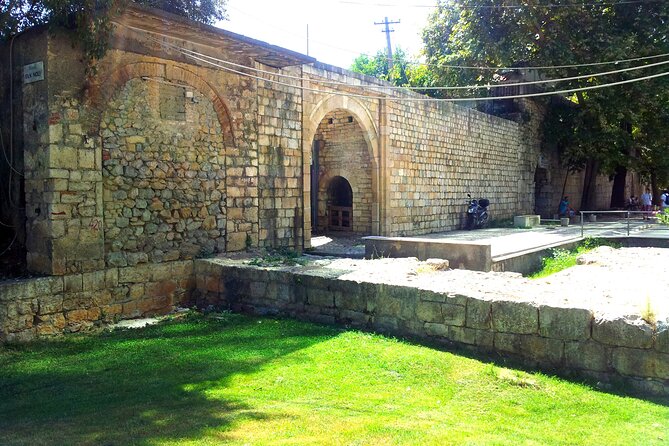
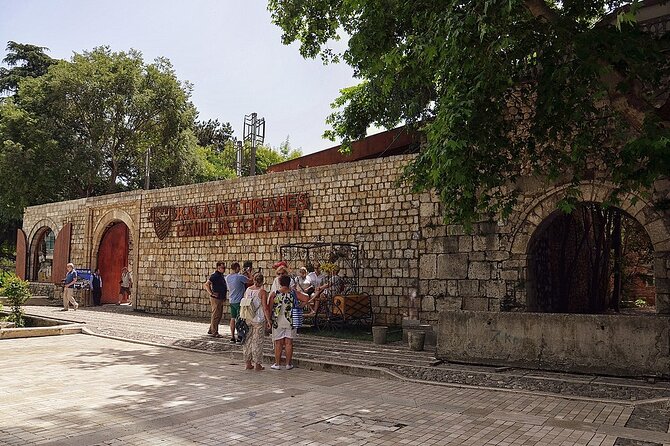
Mid-tour, you’ll visit the Fortress of Justinian, also called Tirana Castle. The site dates back to before 1300 and connects to the Byzantine-era crossroads that helped shape the city. Today, you are not just looking at ruins. It has been renovated and turned into a multifunctional area through the Toptani family, so it can feel like a place to rest while still looking at real old stones.
This stop is a great reset. The walking can be concentrated, and then you get a moment where your eyes can travel over older layers of the city.
Then comes the Clock Tower, a landmark that has kept time in Tirana since 1822. Your guide connects it to the same person behind the mosque, Ethem Bey, which helps the city feel like one connected map instead of separate sights. The tower is about 25 meters high, and you get the chance to climb up for panoramic views.
Here’s why that climb matters for your understanding. When you’re on the street, Tirana can feel flat and confusing. From the top, you start seeing the grid, the major streets, and how the center fits together.
Practical tip: if you’re afraid of heights, this is usually fine for most people, but the climb is still a climb. Decide before you start climbing.
A few more Tirana tours and excursions:
- From Tirana: Bovilla Lake & Gamti Mountain Hiking Day Trip
★ 4.9 · 4,397 reviews - From Tirana: Bovilla Lake & Gamti Mountain Hiking Tour
★ 4.9 · 3,003 reviews - From Tirana: Bovilla Lake & Gamti Mountain Viewpoint Hike
★ 4.8 · 2,053 reviews - Tirana/Durres/Golem: Saranda, Ksamil, Blue Eye Day Trip
★ 4.8 · 1,584 reviews
National Historical Museum time, if you want the long arc
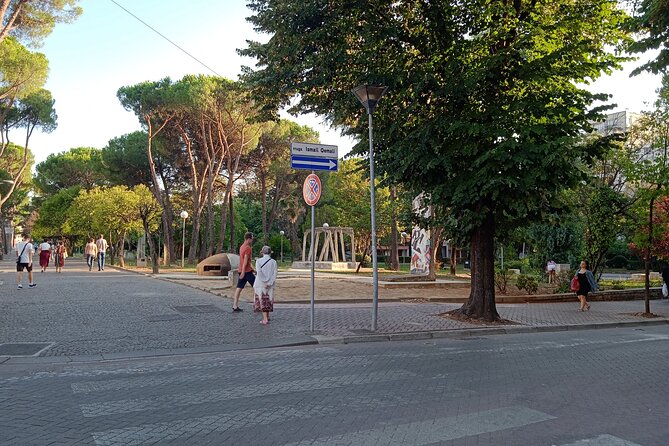
The route references the National Historical Museum at Skanderbeg Square, spanning eras from the Bronze Age through the communist period and beyond. The idea is simple: you get the big timeline, so the later museum visits about communism make more sense.
I like the museum option most for first-time visitors. Tirana’s modern buildings and monuments can feel like they just appeared. This museum helps you place them into a longer timeline, so later stories do not feel disconnected.
One caution: the tour is only about 3 to 4 hours total. That means museum time, if it happens during your slot, tends to be a guided highlight rather than a full sit-down marathon.
If you are a museum lover, you might want to prioritize either the museum early or the later Communist-era museum, depending on what you care about most.
BunkArt 2: the cold air museum stop you remember
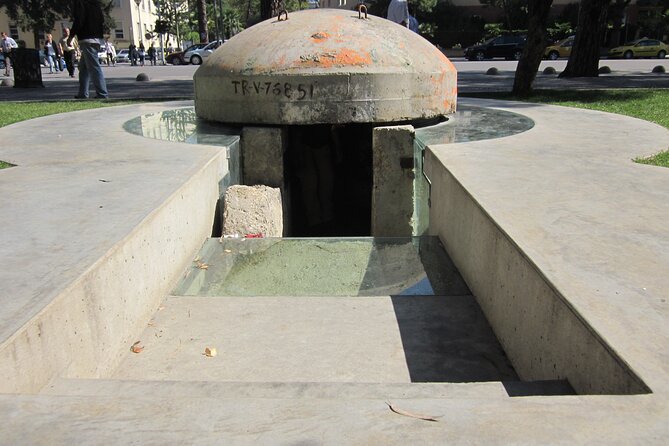
BunkArt 2 is the centerpiece for many people on this tour, and it has good reason. It is set inside a bunker and focuses on the Communist Albanian army and everyday life under the regime, including political repression.
The guides explain the role of Sigurimi, the secret police, and the way opponents were targeted and silenced. It is not just big historical facts. You learn how the system functioned in daily life, which changes how you read other sites around Tirana.
The tour description says you use included tickets for BunkArt 2, but the stop notes also mention admission details in a different way. So I’d treat this as: assume the booking covers your entry arrangement, then check what your confirmation says for your specific date.
Practical tip: this is an interior museum with a serious tone. If you get claustrophobic, go slowly and focus on the explanations from your guide. It is usually manageable, but it is still a bunker.
House of Leaves: secret police stories with interactive detail
After BunkArt 2, you’ll visit the House of Leaves. This building was the headquarters of Albania’s secret police, Sigurimi, and now functions as a museum about how surveillance and persecution worked.
What I like about this stop is the subject matter itself. When you connect it to the earlier bunker story, you start seeing the Communist-era system as something more organized, more local, and more frightening than general history might suggest. The museum uses interactive elements, so you are not only watching, you are prompted to think through how the tools worked.
It also keeps your visit from feeling one-note. Instead of repeating the same story in different rooms, you get a different angle: the machine behind the repression.
Practical tip: keep your questions ready. A good guide can connect the exhibits to what you saw outside, like the way the city’s center changed under different regimes.
Enver Hoxha Pyramid: from propaganda shape to modern youth tech
Next is Piramida, the Enver Hoxha Pyramid. It was originally built in 1988 as a museum dedicated to Enver Hoxha and the communist legacy. During the Kosovo War period in 1999, it was repurposed as a NATO base. Today, it is used as a youth center focused on innovation and computer technology, and the building has become a place associated with creativity rather than cult-of-personality politics.
You can climb the stairs to the top for a view over the city center. Even if you are not chasing big scenery shots, this is a useful moment. It gives you a high vantage point to process everything you saw below, especially after indoor museums.
Practical tip: plan for stairs. You do not need to sprint up and down, but you should expect some exertion.
Pazari i Ri: end with food, photos, and a calmer pace
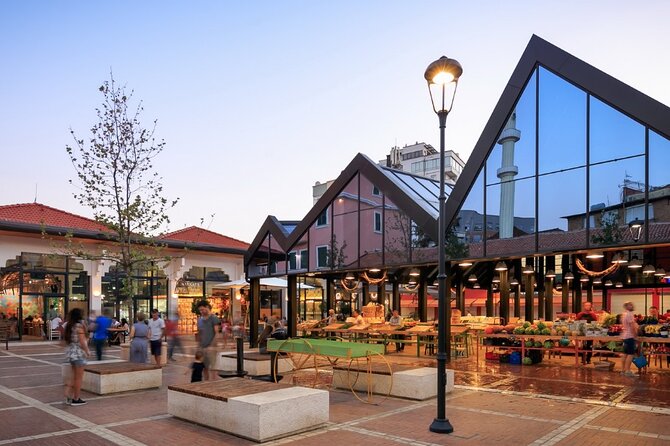
The tour closes with Pazari i Ri, a renovated open-air market near Skanderbeg Square. This is a practical way to finish because you can do something immediate with your senses: walk around, smell the food, and grab a snack or drink if you want.
The market area is known for local ingredients like fruits, local cheeses, olives, spices, honey, and more, alongside cafes and bars in the surrounding lanes. It is also one of Tirana’s more photogenic corners because the market sits in a bright, colorful renovated setting.
This last stop works well for two reasons. First, it helps you decompress after the heavy Communist-era museum content. Second, it gives you a place to return to later, once you know where it is.
Practical tip: if you plan to buy anything, bring a bit of cash for easier purchases, and compare prices if you’re shopping for packaged food or souvenirs.
Price and logistics: is it good value at about $30
At $30.04 per person, this tour is priced for value if you like guided city context. You are paying for several things at once: hotel pickup, a small-group format (max 15), English-speaking guidance, and a route that strings together major sights without forcing you to plan transit between them.
Also, many stops are listed as admission ticket free, including Et’hem Bey Mosque, both cathedrals, and Piramida. The museum-heavy part is BunkArt 2, plus House of Leaves, which is why the guided narrative matters. You can see the buildings on your own, but the story links are what make the experience feel worth the price.
The biggest practical note is that it is a walking tour. You will park and walk, and you’ll cover enough ground for a half-day outing. If you prefer sitting in a vehicle for long stretches, this may not match your travel style.
Who this tour suits best (and who might want another option)
This tour is ideal if:
- You want a quick, guided introduction to Tirana’s center
- You are curious about how religion and politics shaped the city
- You want Communist-era context without building your own museum route
- You appreciate a guide who can adapt the pace and help with directions and photos
It may not be ideal if:
- You hate walking in heat and prefer fully vehicle-based sightseeing
- You expect long independent time at museums
- You want a slow museum day with zero schedule pressure
Based on the guide praise, your experience will likely rise or fall on the guide’s delivery. Most reviews focus on thoughtful explanations and patience, including help with taking pictures and adjusting walking speed.
Should you book this Tirana city tour with hotel pickup?
If you’re short on time and you want Tirana to make sense fast, I’d book it. The mix of Skanderbeg Square, Ottoman religious heritage, modern cathedrals, and the Communist-era museums gives you a tour that feels like a real city education rather than a checklist.
If you are traveling in very hot weather, plan for it. Bring water, sunscreen, and a hat, and wear breathable clothes you can move in. And if you’re the type who needs long museum stays, consider booking this as your orientation day, then return later to the places that grabbed you most.
Overall, for the money and the structure, it is a solid way to see the center of Tirana with a guide who knows how to explain what you’re standing in front of.
FAQ
How long is the Tirana City Tour?
The tour runs about 3 to 4 hours.
Is hotel pickup included?
Yes. The guide picks you up at your hotel or at your location.
What language is the tour offered in?
The tour is offered in English.
What is the group size?
It has a maximum of 15 travelers.
Is a mobile ticket used?
Yes. A mobile ticket is offered.
Does the tour include tickets for BunkArt 2?
The tour description says it uses included tickets for BunkArt 2.
Can I climb the Clock Tower or Piramida?
Yes. The itinerary includes climbing options for both. You can climb to the top of the Clock Tower for panoramic views, and you can climb stairs to the top of Piramida.
Is the National Historical Museum visit optional?
It is listed as optional early in the route, and the itinerary also references a visit to the museum later at Skanderbeg Square.
What is the cancellation policy?
Free cancellation is available up to 24 hours in advance for a full refund. If you cancel less than 24 hours before, you do not get a refund.
Added to Tirana lately
- Kosovo, Prizren Day Trip from Tirana★ 3.0 · 1 review
- Semi-Private Hiking Tour; Theth,Valbona&Koman Lake in 3 Days★ 5.0 · 1 review
- Private 1 Day Berat Tour from Tirana★ 5.0 · 1 review
- Private 3 Days Adventure in Albania and Gjirokaster County★ 5.0 · 1 review
- From Tirana: Ksamil Islands, Saranda, & Blue Eye Day Trip★ 5.0 · 1 review
- Tirana Airport Private Transfer To City★ 5.0 · 1 review
- Architectural Walking Tour Discovering Tirana’s Modern Identity★ 5.0 · 1 review
- From Shkoder: 3-Day Valbona to Theth Hike Tour All Inclusive★ 5.0 · 1 review
City Tours, compared.
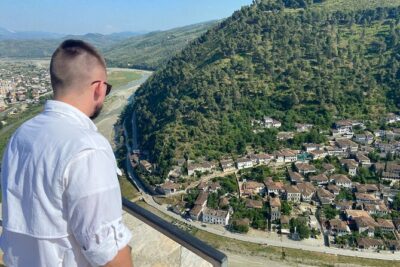
Berat city UNESCO tour, the Castle & Belshi lake- From Tirana
Read our review →
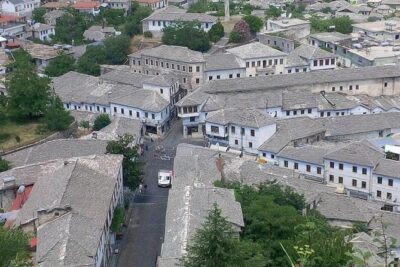
Gjirokastra- The Stone City & Blue Eye- The monument of Nature.
Read our review →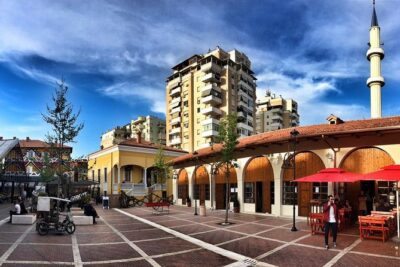
Best of Local Food & City Tour of Tirana – Food & Drinks Included
Read our review →
Durres city & Golem beach, Sun & History Day Trip
Read our review →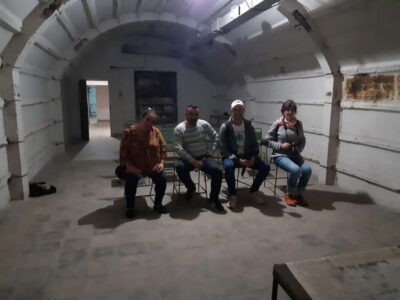

Browse the lists this tour appears in