
Reviewed · CITY TOURS
Saranda: 2.5-hour walking tour around the city
Saranda history fits into a 2.5-hour walk. This guided circuit strings together a few key stops that explain who lived here, what they believed, and what shaped the town in the 20th century. You finish with the sea air on the Saranda Promenade, where the city finally feels like a place, not just a few points on a map.
I especially like the professional guide approach: the best part is how the stories connect across religion, war, and daily life. I also enjoy the tight pacing, because you get museum time plus outdoor views without feeling trapped in a long tour.
The main drawback is simple: the sites are small. If you want hours of big-ticket sights, you may feel like you sped through the town’s highlights in a hurry.
In This Review
- Key highlights you should care about
- A 150-minute Saranda walking tour that makes sense
- Starting at the Port, with an easy meeting point
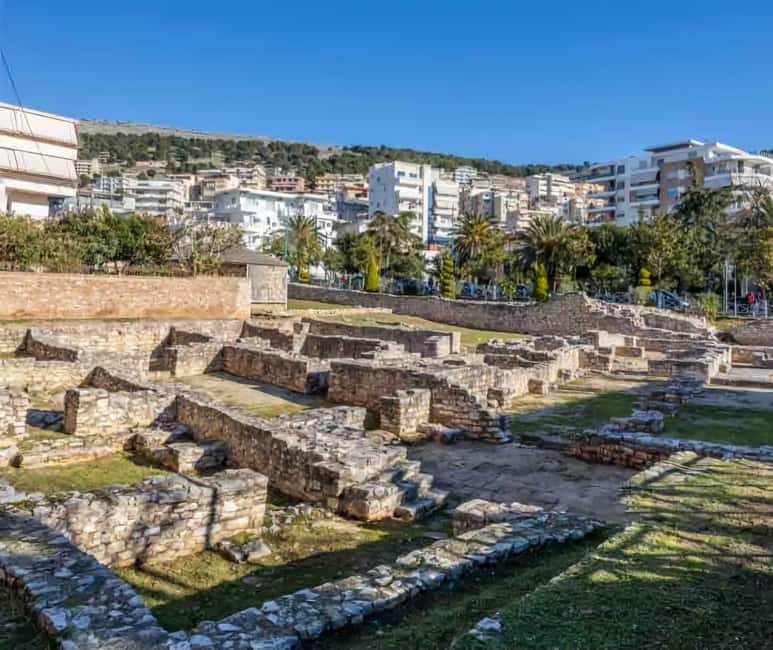
- The Synagogue Complex: small remains, big context
- A bunker stop that explains the 20th century
- Archaeological Museum: where the guide matters
- Museum of Traditions: everyday life through objects
- Promenade time: the Ionian Sea view payoff
- The local café break, without the meal pressure
- Price and value: why $23 can work
- What you’ll walk, and how to prepare
- Language, pacing, and group feel
- Who this Saranda walking tour is best for
- One thing to look for: the guide quality
- Should you book this Saranda walking tour?
- FAQ
- How long is the Saranda walking tour?
- Where does the tour meet?
- What stops are included on the walk?
- What is included in the price?
- Is food or drinks included?
- Do I need to buy museum tickets separately?
- What languages is the tour offered in?
- Is this tour suitable for wheelchair users or mobility impairments?
- Is there free cancellation?
Key highlights you should care about
- 5th-century synagogue remains that give context to local religious history
- Wartime bunker photo stop tied to the communist-era story
- Two museum visits with included entrance fees
- Saranda Promenade stroll for Ionian Sea views and a relaxed ending
- A short café break to recharge, without food included in the price
More City Tours in Saranda


A 150-minute Saranda walking tour that makes sense
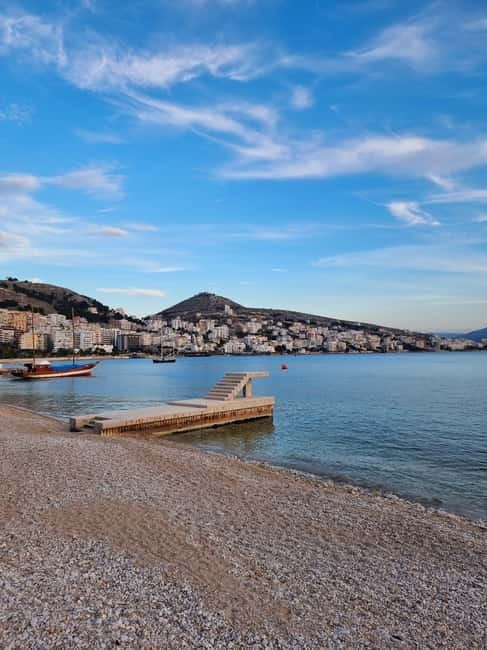
If you only have a day, this is one of the smarter ways to start. You begin at the Port of Saranda, then work your way through a compact set of sites that cover major chapters of local life. The format is built for orientation: you’ll learn what to look for when you wander later on your own.
This tour is also practical. It’s long enough to feel complete at about 150 minutes, but short enough that you won’t burn your whole afternoon. You’ll walk at a comfortable pace, hit museums while they’re still fresh in your head, then end by the water where Saranda’s energy shows up in normal life, not museum labels.
Starting at the Port, with an easy meeting point
Your meeting point is the Port of Saranda. That matters more than you might think, especially if you arrive by ferry or bus. Starting from a central hub also helps if you want to keep the rest of your day flexible afterward.
In the reviews, a guide such as Mira is singled out for being easy to find, with a clear sign at the meeting spot. That’s a small detail, but it reduces stress when you’re in a new town and just want the day to flow.
The Synagogue Complex: small remains, big context
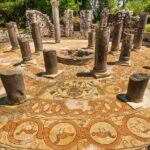
The first major stop is the Sarandë Synagogue complex, where you’ll see remains connected to a 5th-century synagogue. Even if the visible structures are limited, the point of the visit is understanding significance, not taking endless photos of grand architecture.
What makes this stop worthwhile is how it sets the stage for Saranda’s layered identity. You’re not just seeing an old site, you’re learning how religion and communities changed over time. A strong guide will explain what you’re looking at, and how the ruins fit into a broader story of trade, culture, and migration patterns that moved through the Ionian region.
Practical note: this is an outdoor and walking-based stop. Bring water and wear comfortable shoes. If you’re visiting in hot weather, sunscreen matters here.
A bunker stop that explains the 20th century
Next comes a bunker, with a photo stop built into the route. This part is about wartime reality and how the communist regime affected the region. The bunker itself is not about comfort or spectacle, it’s about understanding what life felt like when secrecy, control, and conflict shaped daily decisions.
This stop tends to land best when your guide connects it to the way people lived. The better the explanation, the more the bunker turns from a random structure into a physical clue for the era. In the negative feedback, one theme was that some elements can feel small or tightly focused, so if you’re the type who likes super detailed museum-style reading, you might want to pace yourself and ask questions instead of expecting every minute to be equally compelling.
More walking tours in Sarande:
- Sarande: Blue Eye Kayak and walking tour & Lekursi Castle
★ 4.8 · 278 reviews - Walking Tour of Tirana
★ 5.0 · 646 reviews - Tirana: Express Walking Tour with a Guide
★ 4.8 · 503 reviews - Tirana Center: Magic Walking Tour French/Italian/English Etc
★ 4.9 · 402 reviews
Archaeological Museum: where the guide matters
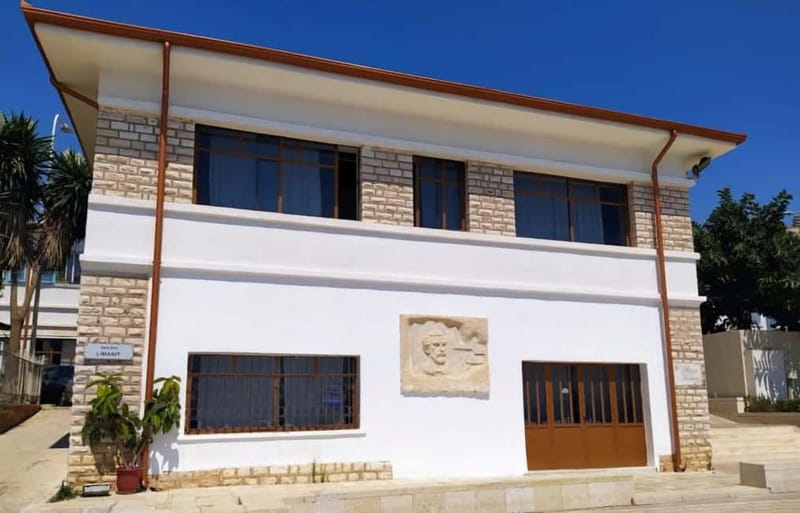
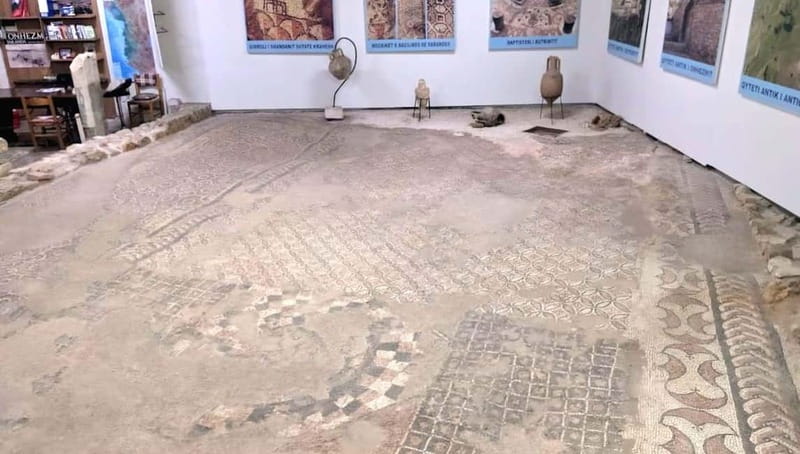
After the bunker, you head to the Archaeological Museum. Entrance is included, so you avoid the common hassle of ticket logistics and can spend your energy on the meaning.
One of the fair complaints you’ll see about this kind of tour is that a museum can feel compact. That’s not necessarily a problem if you go in expecting a guided interpretation rather than a giant, hour-by-hour exhibition crawl. The value is in how your guide structures the story, helping you notice details and understand why certain objects are arranged the way they are.
In positive reviews, the guides were praised for making even small spaces feel alive by explaining context and relevance. That’s exactly what you want here. If you like museum time but prefer it to be guided and paced, this stop is a good match.
Museum of Traditions: everyday life through objects
Then you visit the Museum of Traditions. This one complements the archaeology by shifting from what’s ancient to what people considered normal, meaningful, and worth preserving.
If you get a good explanation here, you’ll walk out with a better sense of how local customs connect to identity. This is also where you start noticing how the past is used by the present. Traditions are often described as fixed, but in reality they change as communities adapt. A strong guide will help you see that movement.
The tour includes the entrance fee here too. That’s part of why the overall value works for many people: you’re not adding two separate ticket costs on top of the guide.
Promenade time: the Ionian Sea view payoff
Finally, you end with the Saranda Promenade. This is the part that many people remember because it feels like Saranda, not just history. You’ll get time to stroll, take in views of the Ionian Sea, and check out the cafes and shops along the waterfront.
This ending also gives your brain time to reset. The earlier stops are about serious themes. By the promenade, you get a lighter rhythm: walking, looking, and choosing where to sit if you want to extend your evening.
The local café break, without the meal pressure
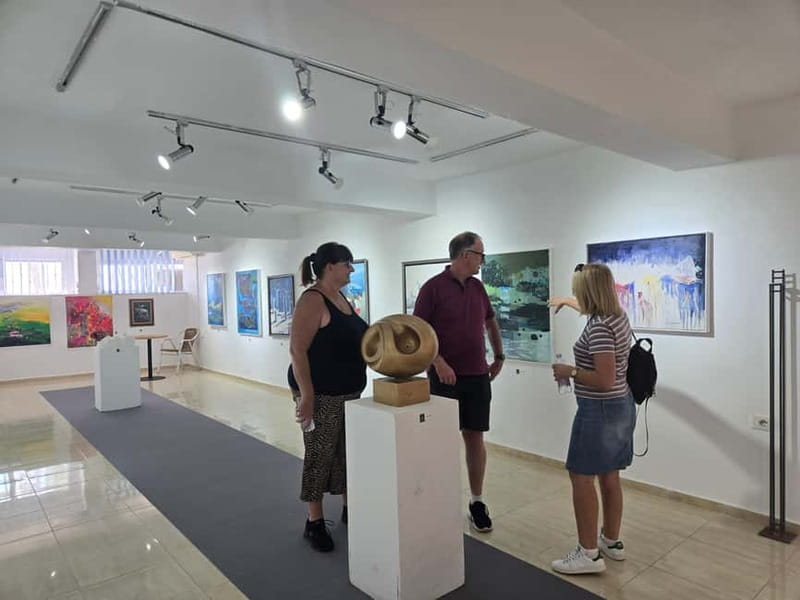
There’s a local café break built in. Food and drinks aren’t included, so you’re free to choose what you want. I like this setup because it keeps the tour from feeling like a forced restaurant stop.
Use this pause wisely. Drink something cold if it’s warm out, and take a moment to think about what you want to do next. If you still have energy, you can use the promenade area to plan a self-guided wander while the tour’s context is fresh.
Price and value: why $23 can work
At about $23 per person for 150 minutes, the price can feel either fair or steep, depending on your travel style. Here’s the practical breakdown.
You’re paying for:
- A professional guide
- Included entrance fees to the Archaeological Museum and Museum of Traditions
- A guided route that stacks multiple stops instead of making you figure everything out alone
That combination is the value engine. If you were to visit both museums independently, the cost of entry plus your time would likely add up quickly. The guide also saves you from wandering through small sites without context. When the tour is led well, you’ll feel like you paid for interpretation, not just access.
The key decision is how you handle small sites. If you like depth, this can be a great match. If you only want big, visually dramatic attractions, you might prefer a different day plan.
What you’ll walk, and how to prepare
This is a walking tour, around 2.5 hours. It’s not designed for long museum-to-museum car transfers. Wear comfortable shoes, and plan for sun exposure.
Bring:
- Sunscreen
- Water
- Comfortable clothes
That list isn’t optional. The promenade at the end is scenic, but earlier stops involve time outside too. If you run low on water, the tour can feel harder than it should.
Language, pacing, and group feel
The tour is offered in English and Albanian with a live guide. That matters if you want real back-and-forth instead of just reading plaques.
Pacing is generally “see the key things, understand the story, move on.” That’s why it works as an introduction. If your guide includes extra explanations for each room or every artwork label, you may end up wishing for slightly more speed. The good version of this tour keeps you moving and still offers time to ask questions.
Who this Saranda walking tour is best for
You’ll likely love this if:
- You want a fast, organized introduction to Saranda
- You enjoy guided context at smaller museums and historical stops
- You prefer a route you can replicate later once you know what matters
You might not love it if:
- You expect huge scale sights and lots of dramatic architecture
- You get restless in smaller museum rooms without enough freedom to linger or skip
- You want food included in the price
Also note the important limitation: it’s not suitable for people with mobility impairments or wheelchair users. Because it’s a walk-heavy route, plan accordingly.
One thing to look for: the guide quality
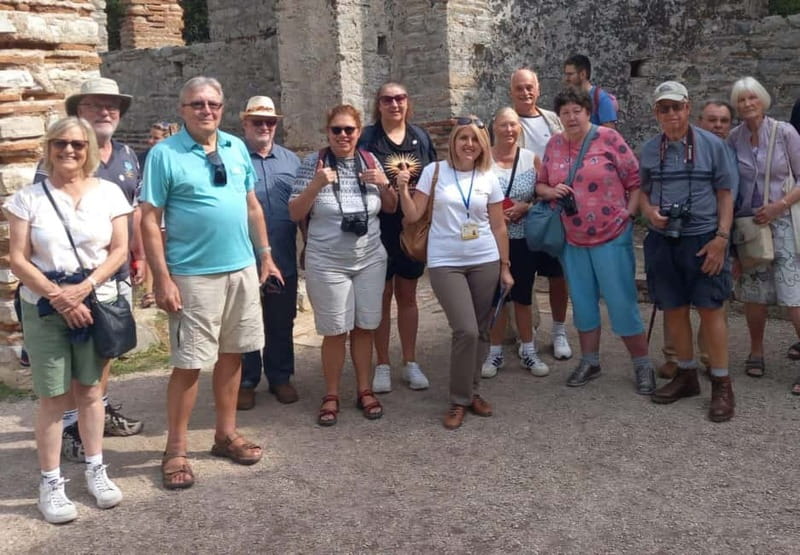
A repeated theme in the strong feedback is how much the guide shapes the experience. Mira, for example, is praised for being warm, engaging, and helpful, and for explaining history, politics, and religion in a way that makes small sites feel meaningful. People also highlighted thoughtful extras like helping with onward transport and even sharing small souvenirs.
That doesn’t mean you should expect surprise add-ons every time. It does mean that this tour lives or dies by the guide. When you book, you’re not just booking a route, you’re booking a storyteller.
Should you book this Saranda walking tour?
Book it if you want a sensible first-day plan that covers major themes in a compact time window. The included museum entrances, plus a guide who connects the dots between synagogue history, wartime realities, and local traditions, make the $23 price feel reasonable.
Skip or reconsider if you dislike walking tours, need step-free access, or you’re traveling for big visual landmarks rather than interpretation. This experience is best when you enjoy history explained in plain language, followed by a sea breeze finish.
FAQ
How long is the Saranda walking tour?
The tour lasts 150 minutes, which is about 2.5 hours.
Where does the tour meet?
The meeting point is at the Port of Saranda.
What stops are included on the walk?
You visit the Synagogue Complex (guided tour), a bunker (photo stop), the Archaeological Museum, the Museum of Traditions, and then walk along the Saranda Promenade. There is also a local café break before returning to the port.
What is included in the price?
Entrance fees to the Archaeological Museum and the Museum of Tradition are included, along with a professional guide and historical facts during the tour.
Is food or drinks included?
No. Foods and drinks are not included, though there is a café break during the tour.
Do I need to buy museum tickets separately?
The entrance fees for the Archaeological Museum and the Museum of Traditions are included.
What languages is the tour offered in?
The tour is available in Albanian and English.
Is this tour suitable for wheelchair users or mobility impairments?
No, it is not suitable for people with mobility impairments or for wheelchair users.
Is there free cancellation?
Yes, free cancellation is available up to 24 hours in advance for a full refund.
Added to Sarande lately
- Sarandë: Destinations of North of Saranda Boat Trip★ 1.0 · 1 review
- Saranda: Central Beach Jet Car Ride★ 4.0 · 1 review
- Lekuresi Castle-Blue Eye-Ksamil-Butrint★ 5.0 · 1 review
- From Parga: A Day Trip to Albania’s Butrint and Saranda★ 5.0 · 1 review
- Blue Eye Magic & Castle Views – Saranda Adventure Tour★ 3.0 · 2 reviews
- From Tirana/Golem/Durrës:Blue Eye,Ksamil★ 5.0 · 2 reviews
- Sarande : Private boat tour to Krorëza beach & local tasting★ 5.0 · 2 reviews
- Sarandë: Thermal Baths, Langarica Canyon, & Vjosa Tour★ 5.0 · 3 reviews
City Tours, compared.
Berat city UNESCO tour, the Castle & Belshi lake- From Tirana
Read our review →
Gjirokastra- The Stone City & Blue Eye- The monument of Nature.
Read our review →
Best of Local Food & City Tour of Tirana – Food & Drinks Included
Read our review →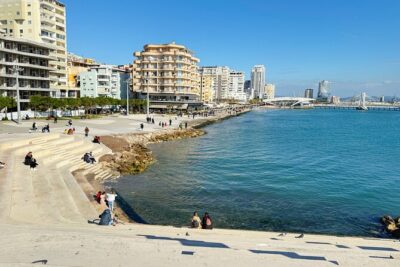
Durres city & Golem beach, Sun & History Day Trip
Read our review →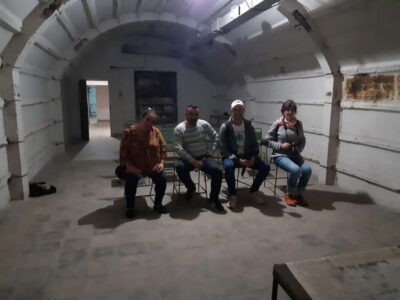

Browse the lists this tour appears in