
Reviewed · GJIROKASTER STONE CITY & ZEKATE TRIPS
Private 3 Days Adventure in Albania and Gjirokaster County
Three days in Albania feels like two worlds. I like how this private route stitches together Bunk’Art 1 in a Cold War bunker and time near the Vjosa River, then finishes with classic Ottoman drama in Gjirokastër. You get a guide, included admissions, meals, and that practical kind of adventure that does not feel like a bus tour.
The main tradeoff is pace. You see a lot of stops across several towns, so you will do some short museum and photo breaks between longer drives and outdoor time. If you prefer slow, linger-on-every-street travel, this schedule might feel a bit tight.
In This Review
- Key Highlights You Should Know Before You Go
- Tirana First: Bunk’Art 1 and the Pyramid That Changed Meanings
- National Museum, Blloku, and the Amphitheatre: Break Up the Heavy Mood
- Tirana’s Zoo and Artificial Lake: A Useful Way to Take a Breather
- Heading Toward the Vjosa: Nature Time Built Into the Schedule
- Përmet Hot Springs at Llixhat e Bënjës: The Best Mid-Trip Reset
- Leskovik and Uji i Zi: Mountain Air and River Color
- Skenduli House and Zekate House in Gjirokastër: Fortified Ottoman Life
- Ethnographic Museum, Bazaar, and the Obelisk of Education: Everyday Culture in Stone
- Cold War Tunnel, the Mosque, Saint Sotiri, and Ali Pasha Bridge
- Accommodations at DelMar Apartments and the Value of Included Meals
- Pace, Comfort, and Who This Private Tour Really Fits
- Should You Book This Albania and Gjirokastër Adventure?
- FAQ
- How many days is the Albania and Gjirokastër adventure?
- What is the price and group size for this private tour?
- What is included in the tour package?
- Is this tour private?
- What is the cancellation policy?
- Are service animals allowed, and is it suitable for most travelers?
Key Highlights You Should Know Before You Go
- Private group up to 4 keeps the day feeling personal and flexible around your questions.
- Bunk’Art 1 turns Cold War facts into a maze of tunnels and real atmosphere.
- Llixhat e Bënjës (Thermal Baths of Përmet) gives you a full reset after sightseeing.
- Vjosa River time centers the day on Albania’s last wild-river feel, with options for river adventures.
- Fortified Ottoman houses in Gjirokastër like Skenduli and Zekate deliver views and architectural detail.
- Cold War Tunnel in Gjirokastër adds a second underground chapter to the trip.
More Private Tours in Tirana
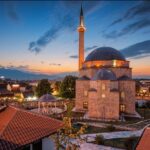
Tirana First: Bunk’Art 1 and the Pyramid That Changed Meanings
Tirana is often a quick stop on other itineraries, but here it becomes the theme of the whole early day. You start at Bunk’Art 1, housed in a massive Cold War-era bunker. The experience is all about space and mood, with eerie tunnels and exhibits that connect political messaging to lived reality.
This place is not just “history on a wall.” It’s history you walk through, and that matters when Albania’s communist past feels abstract from afar. Even if you are not a museum person, the layout helps you follow the story like a moving film.
Right after that, you hit Tirana’s biggest visual symbols tied to Enver Hoxha’s era. The Pyramid of Tirana, originally built as a museum linked to Hoxha, still sits there like a question mark. After communism, it got repurposed, fell into disrepair, and became the kind of landmark people read in different ways.
You also visit the area around Tirana’s open-air civic sites, including time with the National Stadium nearby. You are basically tracing how the city shifted from rigid ideology to everyday public life. It’s a fast lesson in how architecture can change what people think they are seeing.
National Museum, Blloku, and the Amphitheatre: Break Up the Heavy Mood
After the bunker and political symbols, the itinerary gives you human scale again. The Muzeu Historik Kombëtar, the National Historical Museum, is the largest museum in the country and covers a wide sweep of Albanian life. You move through sections that include archaeology, artifacts, ethnographic displays, and the nation’s liberation movements.
One detail I appreciate is the building itself. The facade mosaic points to key moments in Albanian history, so even before you go inside, you’re oriented to the museum’s big mission. Inside, the structure and layout help you switch from the bunker’s claustrophobia to a broader, more “timeline” way of thinking.
Then you shift to Blloku, the trendy neighborhood that once belonged to the highest-ranking communist officials. That contrast is the point. Blloku today is about cafes, bars, street life, and green pockets where people slow down. It’s a reminder that political history and modern living overlap in the same streets.
To keep the day from becoming just museums and politics, you also stop at the amphitheatre in Shëtitore Parku i Madh. It is an ancient structure that dates to the 2nd century AD and can seat around 1,500. Restorations have happened, but the bulk of the old character remains, so you get a real sense of continuity in the city.
If you like photos, this is a strong trio: museum-scale storytelling, neighborhood-scale everyday life, and then a park where old stone still frames events.
Tirana’s Zoo and Artificial Lake: A Useful Way to Take a Breather
By the time you reach the Tirana Zoo and the Artificial Lake in the Grand Park, the schedule is clearly trying to balance brain and body. The zoo, established in 1960, has a mix of animals including bears, wolves, deer, and various birds. Since animal welfare and facilities can be uneven in many older zoos, treat it as a quick stop, not a day-long rescue mission.
The Artificial Lake of Tirana is a better reset. Created in the 1950s, it sits within Parku i Madh and offers walking and cycling paths. This is a practical break before you leave the city for the mountains and rivers, because it lets you recharge without needing another ticketed attraction.
If you want a simple strategy for the day, it’s this: do the heavier history first, then use parks and lakes as your recovery points. This itinerary basically follows that rhythm for you.
Heading Toward the Vjosa: Nature Time Built Into the Schedule
On day two, the focus shifts from Tirana’s symbols to Albania’s outdoor energy. The big feature is the Vjosa River, described as one of Europe’s last wild rivers, known for clear water and biodiversity. Even if you do not plan to go far from the road, the Vjosa area gives you that immediate feeling of wide river country.
This is also where the itinerary signals adventure options like rafting, fishing, and hiking along the banks. You are not locked into just one “activity box,” which is helpful if your group has mixed interests. Some people want water time, some want trails, and some just want to stand by the river and watch the light.
I like that this day is not only about scenic views. It’s framed as an outdoors day, which means the driving and timing usually makes sense for getting actual time outside.
A few more Gjirokaster stone city trips:
- From Tirana/Durres: Saranda & Ksamil Beach and Gjirokastra
★ 4.9 · 428 reviews - Gjirokastra UNESCO & Ksamil Beach – From Tirana/Durres/Golem
★ 5.0 · 117 reviews - Gjirokastra, Blue Eye, Ksamil & Saranda – Day Tour from Tirana
★ 4.5 · 47 reviews - Private Day Tour of Saranda Gjirokaster and Butrint from Tirana
★ 5.0 · 38 reviews
Përmet Hot Springs at Llixhat e Bënjës: The Best Mid-Trip Reset
After the river day atmosphere, you get a full-body change with thermal baths. Llixhat e Bënjës, the Thermal Baths of Përmet, are known for mineral-rich hot springs and mountain views. Two hours in warm water is the kind of reset that makes the rest of the trip feel easier, especially if you’ve spent day one doing walking in museums and day two doing outdoor exploring.
Even if you are not a “spa person,” hot springs are one of the few travel experiences where the payoff is immediate. Your legs feel better, you sleep better, and your mood shifts. This itinerary puts the baths in the right spot, after nature time and before the Ottoman city chapters.
A practical note: bring swimwear and water shoes if you have them. The listing promises admission included, but it does not spell out what facilities provide, so being ready keeps you from cutting your fun short.
Leskovik and Uji i Zi: Mountain Air and River Color
Leskovik is next, framed as an escape into the Albanian Alps area with forests, dramatic mountains, and rivers. You get about two hours, which is enough time for a short hike or a slow scenic walk without turning the day into an endurance challenge. It’s also a nice contrast to the bigger destinations, because Leskovik feels more grounded and quiet.
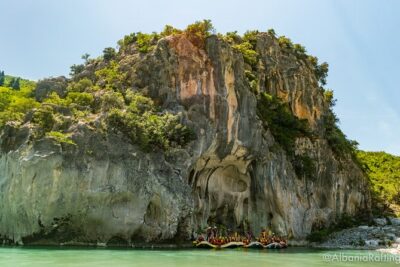
Then you head to Uji i Zi, meaning Black Water, near the village of Këlcyrë. The name comes from the deep color of the river water. The area includes steep cliffs, rugged terrain, and lush vegetation, and it’s described as a spot for hiking, fishing, and even swimming depending on what you want.
The tricky part with river spots is always water conditions and comfort. Since the itinerary does not detail difficulty levels, treat this stop as a “choose your own effort” moment. If your group wants to walk and take photos, you can. If someone wants to get closer to the water, they can do it more carefully.
This second day is where you’ll feel the itinerary’s personality most clearly: it does not just show Albania, it gives you moments where you can breathe in the air and feel the terrain.
Skenduli House and Zekate House in Gjirokastër: Fortified Ottoman Life
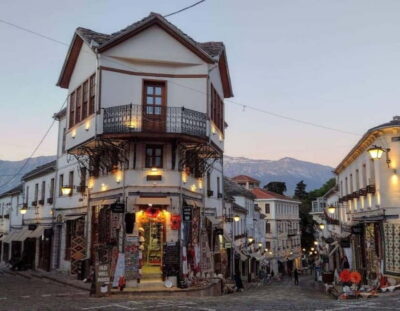
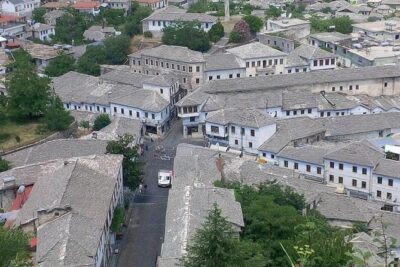
Day three lands in Gjirokastër, a city that feels built for views. The first big stop is Skenduli House, but the story starts even earlier with the castle area. Skenduli House is tied to a major castle viewpoint and a military museum feel, including old armaments and remains of a US Air Force plane shot down during the Cold War.
That Cold War layer again is on purpose. Albania’s 20th-century story shows up in multiple places on this trip, and it becomes easier to connect the dots once you’ve already seen bunker history in Tirana.
Then you also visit Skenduli House as a preserved Ottoman-era home. The guided tour explains the house layout and what life inside looked like long ago, using architecture as the main “text.” This kind of museum is valuable because you’re seeing how people actually lived, not just how rulers displayed power.
Zekate House follows, described as another Ottoman fortified home, larger than Skenduli and with more decorative architecture. It’s the kind of stop where your eyes go up and out. You see how the city’s slope and stone buildings worked together, and you get those classic Gjirokastër perspectives.
If you love old homes, this is the centerpiece day. If you are less into heritage, you might find it dense, but the guided element helps you keep your bearings fast.
Ethnographic Museum, Bazaar, and the Obelisk of Education: Everyday Culture in Stone
Next, the Ethnographic Museum adds a different angle on Gjirokastër. It is located in the house where Enver Hoxha was born. That detail alone makes it complicated, but the museum content is described as traditional clothing, furniture, and tools, which shifts the focus from politics to daily life.
You then move to the Gjirokastër Bazaar, a cobbled-street market selling local crafts and antiques. This is a practical and fun break from indoors exhibits. You can browse slowly, pick up small souvenirs, and just enjoy the city’s street rhythm.
The Obelisk of Education is another short stop that gives context. It commemorates the city’s first Albanian-language school and also serves as a panoramic view point. It’s quick, but it connects the idea of identity to something you can stand on and look out from.
These stops work best if you treat Gjirokastër like a walking city. The short time blocks are actually an advantage, because you keep moving and you keep seeing new angles.
Cold War Tunnel, the Mosque, Saint Sotiri, and Ali Pasha Bridge
By now, the trip has already hit Cold War themes twice, so the Cold War Tunnel in Gjirokastër lands with extra meaning. This is a secret underground bunker built for government officials during the communist regime. You get a guided tour, and it’s one more underground space that turns abstract history into a physical experience.
After that underground chapter, you go back up into religious and civic architecture. The Gjirokastër Mosque is one of the remaining Ottoman-era mosques in the city, giving you a glimpse at the religious history and design details in the region.
Then you visit Shën Sotirit, also written as Saint Sotiri, a historic Orthodox church. It adds another layer of religious diversity, and it’s a reminder that Gjirokastër was never a single-story city.
For the day’s calmer, scenic ending, you take time at Ali Pasha Bridge. It’s an ancient Ottoman stone bridge outside the city and part of the aqueduct system. The itinerary frames it as short but worth it, and I agree with that logic. Bridges give great photos with minimal effort, and this one also adds an engineering angle to the day.
Accommodations at DelMar Apartments and the Value of Included Meals
A lot of Albania itineraries skimp on the practical stuff, like where you sleep and how meals work. Here, you stay at DelMar Apartments each night, and the trip includes traditional meals plus lunch and dinner counts that cover most of the trip days.
That matters because Gjirokastër and the surrounding towns can make “figuring it out on your own” tiring, especially after a long drive or after a museum schedule. Included meals reduce decision fatigue, and they help you sample local food without guessing menus.
Value-wise, the price is listed at $929.16 per group, up to 4 people. That can look high if you compare it to per-person city day tours. But you’re paying for a private experience, transport including a 3-in-1 airport transfer, admissions in multiple locations, guided time, and off-road time via 4×4 off-roading. If you split the cost with up to three people, it becomes more like paying for a guided mini-expedition rather than shopping for individual tickets.
It’s also the kind of itinerary where the guide can save you time. You’re moving through places where history connects to architecture, and a human guide helps you read the signs faster than you could on your own.
Pace, Comfort, and Who This Private Tour Really Fits
This tour fits best if you want a “best of” route without losing the adventure part. It’s private, so your group size stays small, and the schedule includes both history stops and outdoor stops. You should also be fine with a mix of short admission time blocks and longer scenic breaks.
If you want a trip that is mostly beach-style relaxation, this is not that. It has hot springs for recovery, yes, but the core rhythm is walking, driving, and switching environments quickly. It also includes some off-road travel, so it suits people who do not mind uneven terrain and being a bit flexible.
Because the listing says most travelers can participate, the overall level seems approachable for general visitors. Still, keep an eye on your comfort with walking in historic towns and stepping around stone surfaces in older sites.
Who will love it most:
- Small groups who want a private guide instead of a crowd
- People who like Cold War history in more than one setting
- Travelers who want both museums and river or mountain time
Who might struggle:
- Anyone who prefers very slow schedules and lots of free time in one place
- People who get tired with frequent transitions between towns
Should You Book This Albania and Gjirokastër Adventure?
I think this is a strong book if you want three days that feel like a journey, not a checkbox list. The combination of Tirana’s Cold War symbolism, Përmet’s thermal baths, the Vjosa River’s outdoors energy, and Gjirokastër’s fortified Ottoman homes is unusual. The added layer of seeing communist-era sites in both Tirana and Gjirokastër gives the story extra coherence.
Before booking, decide if you like a mixed schedule. You will spend time on indoor and outdoor stops, and you will not have a week to slow down. If that sounds like your style, this private group tour gives good value for the amount of guided, ticketed, transport-included experience.
If your group is under four people, you also get that private benefit immediately, and the route stops feeling like a standard group itinerary.
FAQ
How many days is the Albania and Gjirokastër adventure?
It is approximately 3 days.
What is the price and group size for this private tour?
The price is $929.16 per group, for up to 4 people.
What is included in the tour package?
Included items listed are pickup via a 3-in-1 airport transfer, 4×4 off-roading, accommodations at DelMar Apartments, traditional meals, a guide, lunch (3), dinner (3), and breakfast (2), plus admission tickets for many stops.
Is this tour private?
Yes. It is a private tour, and only your group participates.
What is the cancellation policy?
You can cancel up to 3 days in advance for a full refund. Within 3 days of the experience start time, the amount paid is not refunded.
Are service animals allowed, and is it suitable for most travelers?
Service animals are allowed, and the tour notes that most travelers can participate.
More 3-Day Experiences in Tirana
Added to Tirana lately
- Kosovo, Prizren Day Trip from Tirana★ 3.0 · 1 review
- Semi-Private Hiking Tour; Theth,Valbona&Koman Lake in 3 Days★ 5.0 · 1 review
- Private 1 Day Berat Tour from Tirana★ 5.0 · 1 review
- From Tirana: Ksamil Islands, Saranda, & Blue Eye Day Trip★ 5.0 · 1 review
- Tirana Airport Private Transfer To City★ 5.0 · 1 review
- Architectural Walking Tour Discovering Tirana’s Modern Identity★ 5.0 · 1 review
- From Shkoder: 3-Day Valbona to Theth Hike Tour All Inclusive★ 5.0 · 1 review
- Sightseeing Transfer from Tirana to Skopje with a Tour of Ohrid★ 5.0 · 1 review
Gjirokaster Stone City & Zekate Trips, compared.
Lekursi Castle, Blue Eye, Gjirokaster, & More Tour
Read our review →
Daily Trip To:Blue Eye,Monastery,Gjirokaster&Lekursi Castle
Read our review →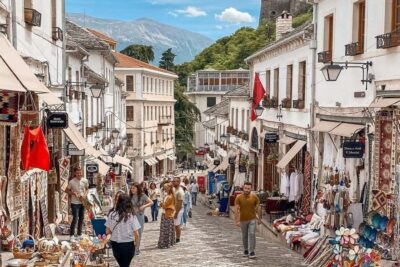
Gjirokastra- The Stone City & Blue Eye- The monument of Nature.
Read our review →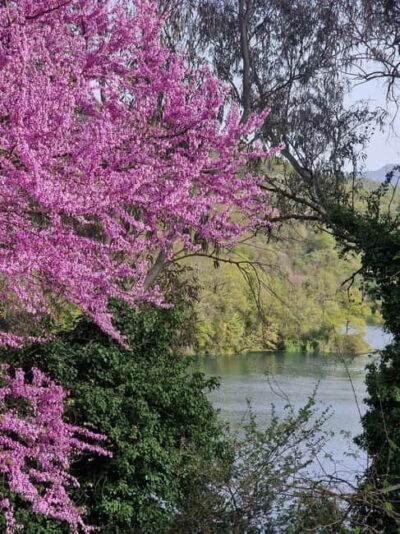
Day tour from Saranda/Ksamil:Gjirokaster +Blue Eye & Lekursi
Read our review →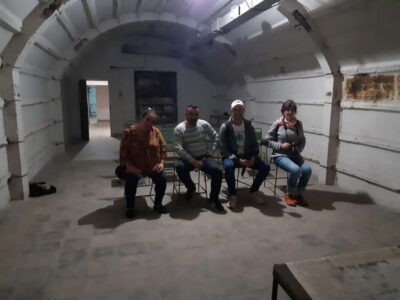
Browse the lists this tour appears in