
Reviewed · ALBANIA
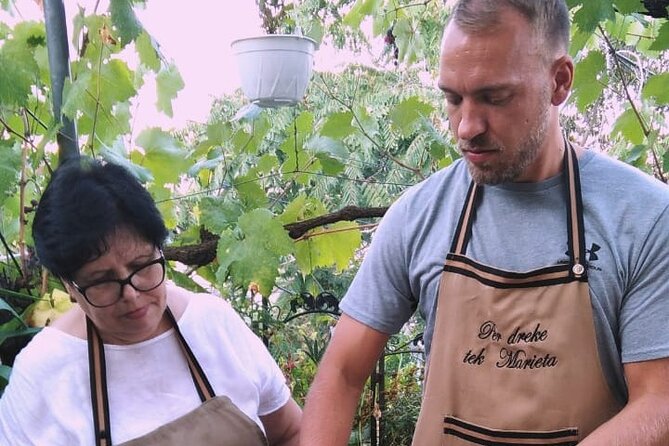
Prepare Osa with Teta Marjeta
Cooking in someone else’s home feels real. In Gjirokastër, this small-group class with Teta Marjeta helps you make Osa, Qifqi, and Hasude from fresh local ingredients. I especially liked getting recipe cards to recreate the dishes later. One consideration: the experience includes raki and wine, with a minimum drinking age of 18, so plan accordingly if you prefer to skip alcohol.
You start on Sheshi Çerçiz Topulli, meet your guide, then walk over to Marjeta’s home. The vibe is warm and practical, with hands-on cooking led by locals and English support, plus translator Besi mentioned by recent participants. You end by eating what you made together, with drinks and conversation.
At about 2 hours 30 minutes, it’s a focused afternoon activity, capped at 10 travelers. It also includes afternoon tea and beverages, so you are not just watching, you are eating like you belong at the table.
In This Review
- Key things I’d mark on your map
- Meeting at Sheshi Çerçiz Topulli, then heading to Marjeta’s home
- Your first sip: raki, soft drinks, and quick group energy
- Cooking Osa: the chicken pasta dish that defines the menu
- Qifqi starter: rice-focused local comfort food
- Hasude dessert: the sweet finish with local character
- Salad of the season: already prepared, so you can focus on cooking
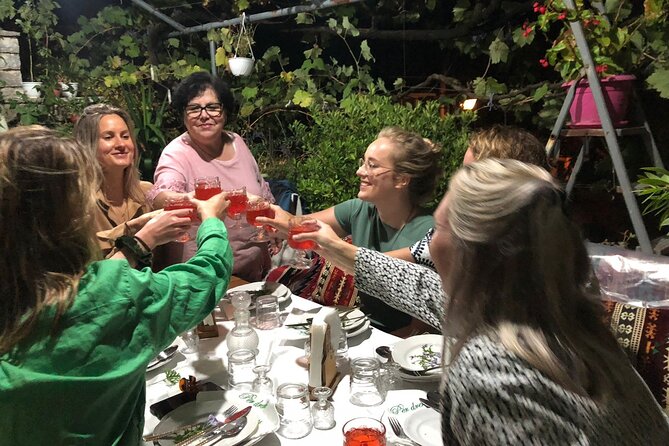
- Drinking and dining together: the meal pairing that makes it feel like family
- The recipe cards: the real souvenir you will use later
- Price and value in plain terms
- Booking rhythm: when to lock in your spot
- Who should book this class, and who should skip it
- Should you book Prepare Osa with Teta Marjeta?
- FAQ
- What dishes will I learn to cook in this class?
- How long is the experience?
- Where do I meet for the class?
- Is the class offered in English?
- What is included in the price?
- How many travelers are in the group?
- Does the experience include alcohol?
- Will I get anything to take home?
- What is the cancellation policy?
- Is a mobile ticket provided?
Key things I’d mark on your map
- Three specific Gjirokastër recipes: Qifqi, Osa (chicken pasta), and Hasude
- A home kitchen feel with Marjeta opening her home for the group
- Raki or soft drinks at the start and a paired drink with your meal
- Recipe cards included so you can cook again at home
- Small group size (max 10) for more guidance while you cook
- All food included, plus salad of the season and beverages
A few more Gjirokaster trips people keep booking:

Meeting at Sheshi Çerçiz Topulli, then heading to Marjeta’s home
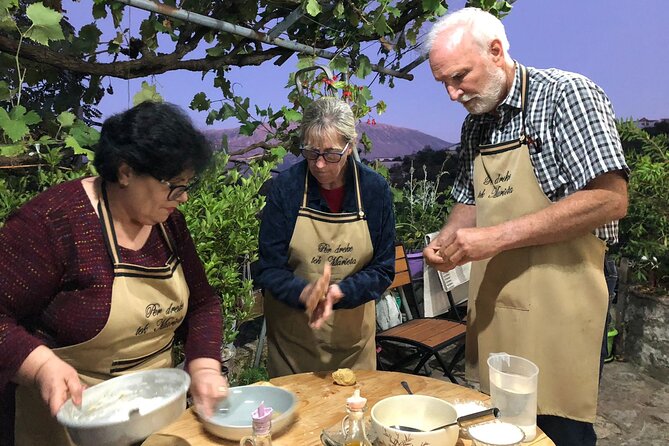
This is one of those experiences where the day starts in the public square, then quickly turns private and personal. You meet at Sheshi Çerçiz Topulli 5, Gjirokastër 6001, and you will connect with the host before walking over to Marjeta’s house.
That short walk matters. You get your bearings fast in Gjirokastër and you are not rushing straight into cooking. It also sets expectations that this is not a restaurant class where you stay in one spot the whole time. You are moving, settling in, then cooking in a real home setting.
Time-wise, think of it as an early afternoon anchor. The class runs about 2 hours 30 minutes total, which fits nicely between sightseeing blocks in town.
Your first sip: raki, soft drinks, and quick group energy
Once you arrive, you begin with a drink, typically raki or a soft drink. The idea is simple: settle the group, chat with your guide and fellow participants, and get comfortable before hands start moving.
I like this approach because it lowers the stress level. Cooking classes can feel intimidating if you worry about getting it wrong. Starting with conversation first makes it easier to ask questions and laugh when your first attempt at shaping something looks a bit messy.
Also, plan around the alcohol piece. The experience includes raki, and the paired drink during the meal can be wine, raki, or a soft drink. The minimum drinking age is 18, so if you are traveling as a mixed-age group or you personally avoid alcohol, just tell your guide at the start so you can steer toward the soft drinks.
Cooking Osa: the chicken pasta dish that defines the menu
The main event here is Osa, a local dish described as kind of pasta combined with chicken. This is where you go from tasting Albanian food to understanding how it comes together.
What makes this valuable is that you are not just assembling something simple. You learn a full process from scratch using fresh, local ingredients. That means you will likely pay attention to things like how the chicken is prepared and how the pasta component gets mixed and cooked with the rest of the flavors. You are building confidence in the method, not memorizing a list of ingredients.
And because the group is small, you should be able to get real guidance while you cook. With a maximum of 10 travelers, you are not stuck waiting for instructions while everyone else works independently.
Practical note: cooking in a home kitchen can mean your workspace is smaller than what you might expect in a cooking studio. Wear sleeves you can work in, and be ready to get a little hands-on with your ingredients.
Qifqi starter: rice-focused local comfort food
After Osa, you tackle the traditional starter Qifqi, described as something found only in Gjirokastër, and consisting mainly on rice. This part is great if you want to understand how Albanian home cooking uses simple staples, then turns them into something distinctly local.
Because Qifqi is rice-focused, you will probably notice how technique matters. Even when ingredients are basic, the end result depends on timing, texture, and how everything is handled. This is exactly the kind of lesson that pays off later, when you try the recipe at home and realize it is the details that make the difference.
One smart way to approach Qifqi is to watch for the small cues your guide shares. For example, you might be told when the mixture looks ready or what texture to aim for. Even if your memory does not catch every detail, those visual targets help you repeat the dish later without guessing.
Not sold yet? More of Gjirokaster to sift through:
- Cooking Class
★ 4.5 · 12 reviews - Vegetarian Cooking Class @Teta Marjeta
★ 5.0 · 11 reviews - Walking Tour “The Old Bazaar, Cfake, Dunavat, Ali Pasha Bridge”
★ 5.0 · 10 reviews - Wood Crafting Experience in Gjirokastra
★ 4.5 · 10 reviews
Hasude dessert: the sweet finish with local character
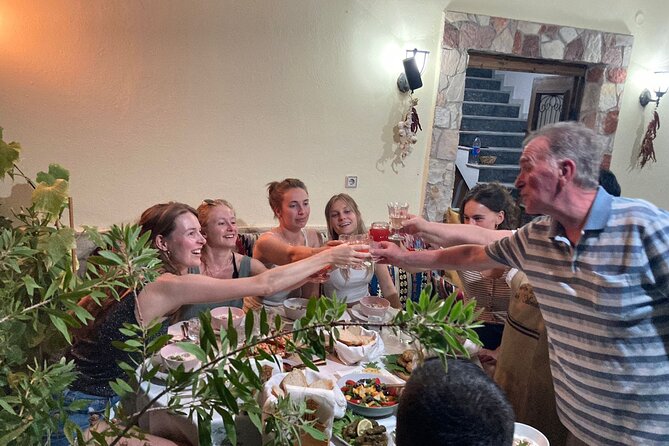
Then comes dessert, Hasude. The listing keeps the explanation brief, but it is still a full part of the class menu, not an optional add-on. That matters, because it turns the experience into a complete local meal instead of a two-part cooking lesson.
Dessert is also where you often learn the most about local taste patterns. Savory lessons are common. A local dessert on the menu means you get the full picture of what people around Gjirokastër crave after a hearty meal.
I love that the flow is structured: starter, main, dessert. You stay engaged the whole time because you are moving through the meal in order, and the guide can build continuity from one dish to the next.
Salad of the season: already prepared, so you can focus on cooking
You do not just cook and then sit in silence. Along the way, there is a seasonal salad already prepared for you by Marjeta. It is part of the meal, and it also balances the heavier, comfort-food dishes.
This is a good setup. It lets you concentrate on your tasks, while still getting the full plate experience. You get a sense of how locals eat together: something fresh on the side, then the warm dishes that take center stage.
If you are the type who likes to recreate meals at home, treat this salad as a clue. Even though it is prepared for you, it tells you what vegetables and flavors are on your guide’s radar for this time of year.
Drinking and dining together: the meal pairing that makes it feel like family
When your cooking work is done, you sit down with your group to savor each dish. Your menu is built to match what you cooked: Qifqi as the starter, Osa as the main, and Hasude for dessert, with salad of the season included.
You also get a complimentary glass to pair with the meal, which can be wine, raki, or a soft drink depending on what is chosen for your group.
This is more than a perk. A shared meal turns cooking into a cultural moment. You get to ask questions while food is in front of you, and you get the honest feedback loop: does this taste like the way it should, and what changes next time?
If you are a little nervous about your cooking skills, the shared dining part helps. The goal is not a chef competition. It is learning, tasting, and enjoying.
And yes, recent participants specifically called out how welcoming Marjeta and the translator Besi were, plus the fact that the food was made with local ingredients in a home setting. That warmth is exactly what you want from a cooking class.
The recipe cards: the real souvenir you will use later
At the end, you receive a recipe of what you cooked, so you can prepare it back home. The experience also notes that recipe cards are included, which is the best kind of souvenir. Photos are nice, but paper with steps and a practical approach is how you actually bring the food home.
Here is how you can get extra value from those cards without inventing extra effort. Take a quick moment at the end to compare your card to what you made in your hands. If your method felt different, write one tiny note while it is fresh. That way you will not have to guess what went wrong later.
Recipe cards also help you bring the experience to friends. If you cook one dish well, you start conversations about Gjirokastër, the flavors, and why the recipe is worth trying.
Price and value in plain terms
The price is $66.09 per person for about 2 hours 30 minutes, and it includes all food plus beverages and afternoon tea. You are paying for several things at once: a local guide, ingredients, instruction, a home-hosted meal, and the recipe cards.
Is it expensive or affordable? For me, the value hinges on the fact that this is hands-on cooking, not just tasting. You learn multiple recipes in one sitting, with all the components of a meal, and the group is limited to 10. That makes it easier to get attention while you cook.
Also, because it is hosted in someone’s home, you get a social and cultural setting you do not get in a standard restaurant kitchen. If you are the kind of traveler who loves food culture and wants a real local table experience, this price fits the promise.
One small caution: dietary needs are not described in the provided details. If you need vegetarian, vegan, allergy-friendly, or no alcohol accommodations, you should ask your guide before booking so expectations match.
Booking rhythm: when to lock in your spot
On average, this is booked 37 days in advance. That is a decent signal that it is popular enough to sell out around peak times or weekends.
Given the group limit of 10 travelers, I would not wait until the last minute if you are traveling in high season or on a weekend when more people want hands-on food experiences. Planning ahead also gives you time to confirm your drink preference and any questions you have for the guide.
Who should book this class, and who should skip it
You will probably love this if you:
- Want traditional Albanian cooking you can repeat at home
- Prefer a small group and a home setting over a crowded restaurant vibe
- Like learning specific local dishes tied to a place, not generic international cooking
You might think twice if:
- You do not drink at all and want a strictly alcohol-free experience. Drinks are part of the flow here, and raki and wine appear in the plan for the group.
- You have dietary restrictions that require special ingredient changes. The provided details do not specify substitutions, so you will need to ask.
It is also a great fit for couples or small friend groups who want a shared activity with a meal at the end.
Should you book Prepare Osa with Teta Marjeta?
Yes, if you want a real Gjirokastër food lesson that ends with you eating what you made. The combination of three traditional recipes, a welcoming home-host atmosphere, and recipe cards makes this more useful than a quick tasting.
Book it especially if you value instruction and you like going beyond menus. You will come away with practical skills, a full plate of local dishes, and a tangible way to cook Gjirokastër flavors after your trip.
FAQ
What dishes will I learn to cook in this class?
The class focuses on three recipes: Qifqi (starter), Osa (main, described as a pasta combined with chicken), and Hasude (dessert).
How long is the experience?
It lasts about 2 hours 30 minutes.
Where do I meet for the class?
You start at Sheshi Çerçiz Topulli 5, Gjirokastër 6001, Albania.
Is the class offered in English?
Yes, it is offered in English.
What is included in the price?
The experience includes afternoon tea, beverages, and all food for the dishes you cook.
How many travelers are in the group?
The class has a maximum of 10 travelers.
Does the experience include alcohol?
Drinks are included, and raki and wine are part of the experience. The minimum drinking age is 18.
Will I get anything to take home?
Yes. You are given a recipe of what you cooked so you can prepare it back home, and recipe cards are included.
What is the cancellation policy?
Free cancellation is available. You can cancel up to 24 hours in advance for a full refund, based on local time.
Is a mobile ticket provided?
Yes, the experience uses a mobile ticket. Confirmation is received at the time of booking.
Added to Gjirokaster lately
- Vegetarian cooking class in Gjirokastër★ 5.0 · 1 review
- From Tirana: Gjirokastër Castle, Cold War Tunnel & Bazaar★ 5.0 · 1 review
- Dress as a Local in Gjirokaster★ 5.0 · 1 review
- South of Albania: 2-Day Adventure Tour★ 5.0 · 1 review
- Blue Eye & Gjirokaster: 4×4 Tour and Old Bazaar★ 5.0 · 3 reviews
- Gjirokastra Private Half-Day Walking Tour★ 5.0 · 3 reviews
- Gjirokaster Walking Tour★ 5.0 · 4 reviews
- Gjirokaster – The Stone City of UNESCO, Private Tour from Tirana★ 4.5 · 4 reviews