
Reviewed · GJIROKASTER STONE CITY & ZEKATE TRIPS
Gjirokastër: Traditional Albanian Vegetarian Cooking Class
Gjirokastër starts with raki and rice. This vegetarian class takes you from Cerciz Topulli square to the older neighborhood of Pazar i Vjeter, where Marjeta and her husband guide you through three local staples, including Qifqi with its rice base and Hasude for dessert. I like that you get a full meal with salad, plus homemade wine raki or soft drinks to go with the food. One possible drawback to keep in mind is that the session may feel a bit watch-and-help at times, with the chef doing most of the work, and the menu can lean on simpler, rice and flour driven ingredients.
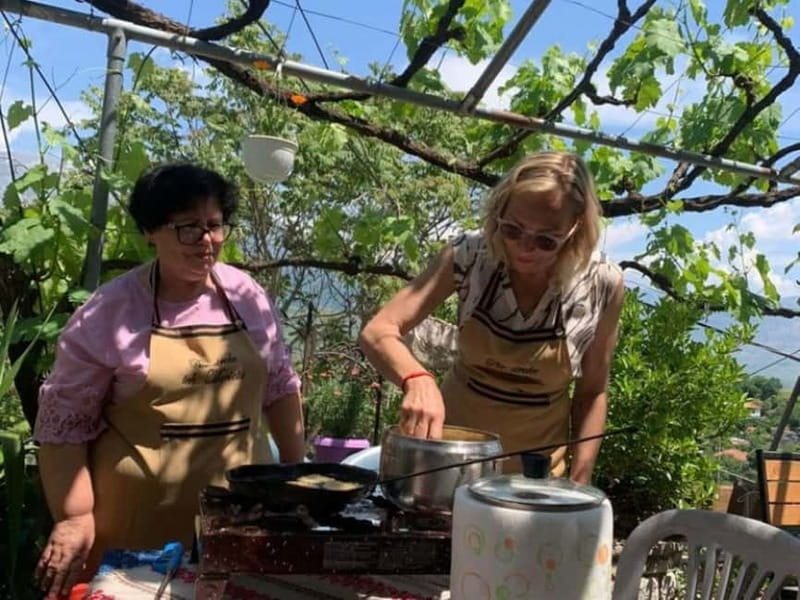
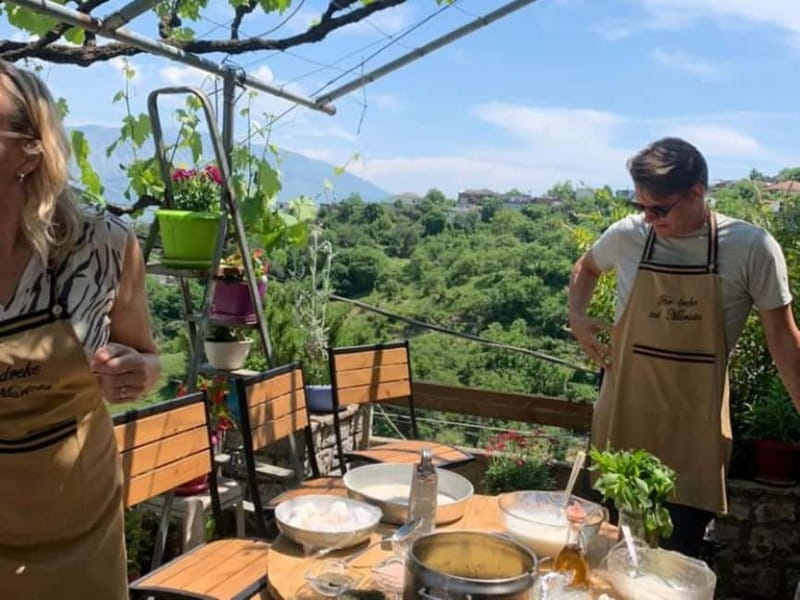
The setting is half the fun. You walk into a real old-town area, then cook in a home kitchen vibe that feels closer to visiting than doing a fast, scripted demo. The group stays small, limited to 10 participants, so your Albanian or English questions should actually get answered.
You have about 150 minutes from meeting to eating, and you leave with a recipe pack for everything you cooked so you can repeat it later. If you want Albanian comfort food in a vegetarian format, this is a practical, no-stress way to learn, not just sample.
In This Review
- Key things to know before you go
- Finding Marjeta in Gjirokastër’s Pazar i Vjeter
- What to expect from the group dynamic
- The 150-minute vegetarian menu: Qofte Bobollaqe, Qifqi, and Hasude
- 1) Qofte Bobollaqe, yogurt-forward comfort
- 2) Qifqi, the rice-based signature
- 3) Hasude, the sweet ending
- The seasonal salad, already handled
- A note on variety and cooking style
- After the work, you actually eat: salad, dishes, and homemade wine raki
- Why the meal matters for your learning
- What you learn and how to use it at home
- Expect translation support in Albanian and English
- Price check: is $76 good value for a 150-minute class?
- Who should book this vegetarian class in Gjirokastër?
- Should you book it?
- FAQ
- Where is the meeting point for this cooking class?
- How long is the cooking class?
- How many people are in the group?
- What dishes do you cook?
- What is included in the price?
- Do you get recipes to make the food at home?
- What drinks are offered during the class and meal?
- What languages are available for the tour?
- What is the cancellation policy?
Key things to know before you go
- Three dishes with Gjirokastër identity, including Qifqi (rice-based and specific to the town)
- Marjeta leads the cooking, with English help from a live guide or translator
- Welcome and pairing drinks include raki or soft drinks, with homemade wine raki mentioned as part of the experience
- Seasonal salad is part of your meal, prepared for you so you can focus on the cooking steps
- Hands-on time plus shared eating, with a sit-down meal included at the end
- Small group of 10, which usually means more personal attention than big group tours
A few more Gjirokaster stone city trips:

Finding Marjeta in Gjirokastër’s Pazar i Vjeter
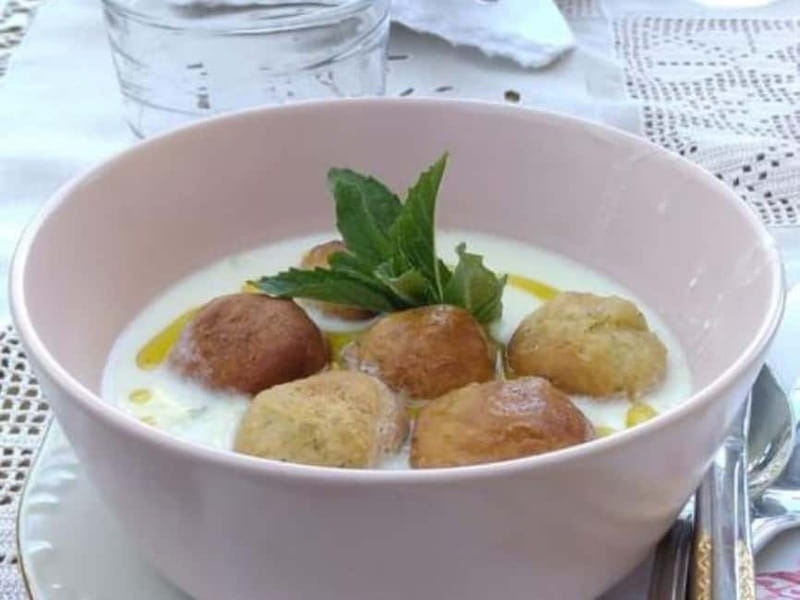
This tour starts in a very walkable spot, Cerciz Topulli square. From there, you meet your host, then head over on foot to one of the town’s oldest areas, Pazar i Vjeter. Even if you only have a short time in Gjirokastër, that walk helps you get oriented. You are not just rushing into a kitchen, you are seeing the town where people actually live and shop.
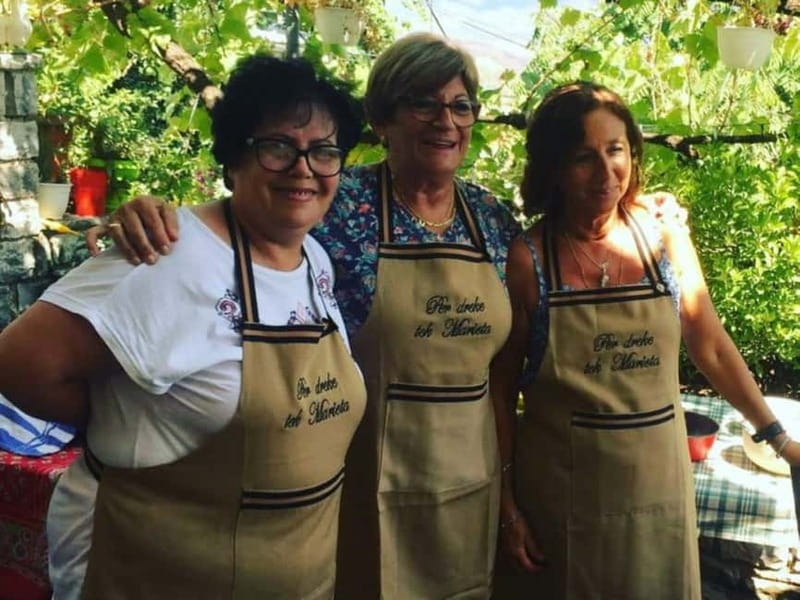
Once you arrive, you meet Marjeta and her husband. That matters because it sets the tone. This is not a museum-style cooking lesson. It is a family kitchen experience, which usually means the pace is friendly and the questions you ask tend to get real answers.
Before the cooking starts, you get a welcome drink: either raki or a soft drink. That small detail is more than hospitality theater. It makes the group relax right away, so your first questions do not feel awkward, and the meal afterward feels like the natural payoff.
What to expect from the group dynamic
This is limited to 10 participants, which keeps things comfortable. Still, based on how this class tends to run, you might notice that one person cooks while others watch more often than you would in a strict “everyone cooks every step” format. If you love hands-on action, plan your expectations accordingly and lean into the learning portion, even when you are mostly observing.
The 150-minute vegetarian menu: Qofte Bobollaqe, Qifqi, and Hasude
The heart of the experience is the cooking of three dishes, all vegetarian. Your menu is built to teach you a range of techniques and flavor ideas, not just one repeat recipe.
Here is the lineup you will learn:
1) Qofte Bobollaqe, yogurt-forward comfort
The first dish is Qofte Bobollaqe, with the main building block described as yogurt. From a practical standpoint, yogurt is a smart ingredient to learn with because it gives both tang and moisture. If you cook at home, it is also a clue to the general Albanian approach here: simple ingredients, handled well.
A few more cooking classes in Gjirokaster:
- Cooking Class
★ 4.5 · 12 reviews - Vegetarian Cooking Class @Teta Marjeta
★ 5.0 · 11 reviews - Cook Like a Local – Authentic Cooking Class in Gjirokastra
★ 3.2 · 4 reviews - Vegetarian cooking class in Gjirokastër
★ 5.0 · 1 review
2) Qifqi, the rice-based signature
Next comes Qifqi, also referred to as Qifqis and described as something you find only in Gjirokastër. The base is mostly rice. This is the dish that makes the class feel like more than a generic vegetarian cooking workshop. You are not learning food that could be from anywhere, you are learning something tied to this specific town’s food identity.
A quick translation for your brain: if you remember one thing from this class, make it Qifqi as the “Gjirokastër dish.” When you later read menus or talk food with locals, this gives you a real anchor point.
3) Hasude, the sweet ending
For dessert, you will cook Hasude. The class is vegetarian and meal-structured, so dessert is part of the final table experience, not a separate late-night snack.
The seasonal salad, already handled
Along with the dishes, you get the salad of the season that Marjeta has already prepared. That is a helpful design choice. It keeps the class focused on the three featured dishes while still giving you the full meal experience.
A note on variety and cooking style
The menu is only three dishes plus salad and dessert, so the variety is limited by design. Also, some people find that the dishes involve frying and a focus on staple ingredients like rice, flour, eggs, and sugar. That does not make it bad, it just means you should book with the right goal: you are learning Albanian vegetarian comfort cooking, not a salad-heavy health retreat and not a wide buffet of vegetables.
After the work, you actually eat: salad, dishes, and homemade wine raki
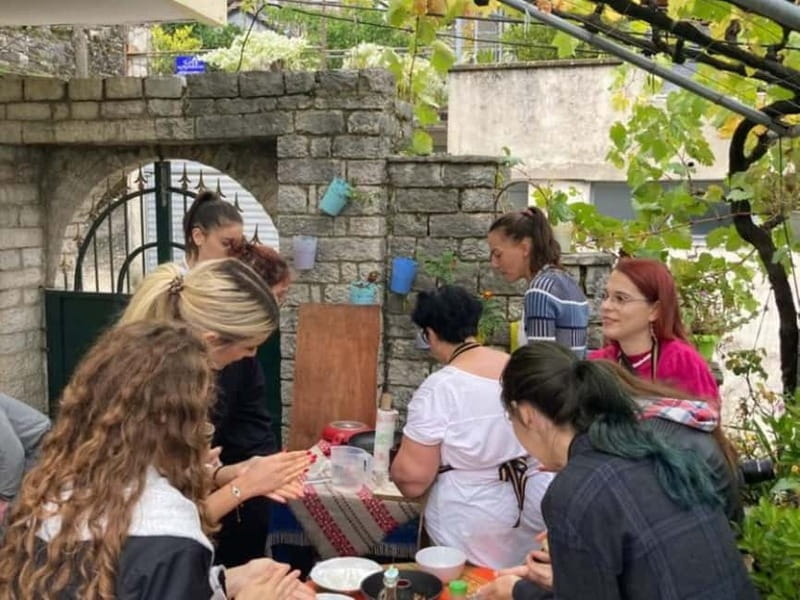
What I like most about this class format is that it does not treat food as a side effect of the lesson. You cook, then you sit down together and savor what you made. That shared meal is included, and it is part of why the experience lasts 150 minutes.
Your three dishes are served along with that seasonal salad. Then there is the drink pairing: you can have a complimentary glass of wine, raki, or a soft drink. Homemade wine raki is specifically included as part of the experience, so expect a local flavor rather than a generic “grab a sip” moment.
Why the meal matters for your learning
This is where the lesson clicks into real life. When you eat the exact dish you helped make, you start noticing textures and balance. For example, if your yogurt-based dish feels richer than you expected, you will remember why. If your Qifqi tastes like something you could recreate, you will understand what to aim for the next time you cook.
And yes, there is conversation time. The class ends after the meal, which means you can ask questions while the food is still warm and the chef is still nearby.
What you learn and how to use it at home
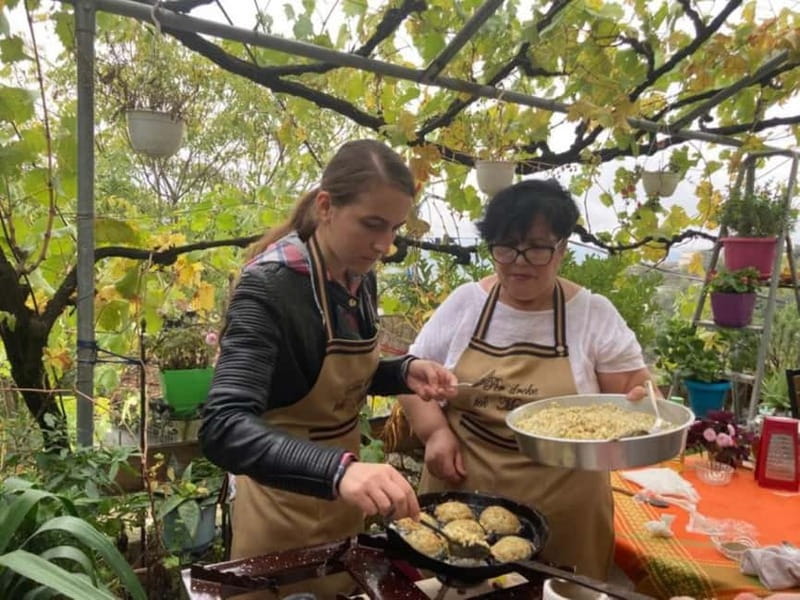
One of the best “value boosters” in this class is that you receive a recipe in the end for what you cooked. The ingredient list and steps matter, but the bigger win is that it turns your memory into something usable.
Here is how I think about it as a practical traveler:
- You are not stuck trying to recreate a meal from vague impressions.
- You get a baseline for quantities and method, so your second attempt at home is less guesswork.
- You get a sense of the Albanian vegetarian flavor logic, especially the rice-centered Qifqi idea.
Because some dishes are made from staples like rice, flour, and eggs (and at least one is yogurt-based), the recipes are likely to be repeatable without hunting exotic items. You might still need local grocery finds in Albania, but you should be able to translate it at home.
Expect translation support in Albanian and English
The class has a live guide and language support in Albanian and English. In past sessions, English support has included translators such as Klarisa and Besjan, described as patient and easy to communicate with. Even if you are not fluent, you should be able to follow steps like mixing, shaping, and timing.
One thing to note: the chef can come across as directive. That can be great if you like clear instructions. If you are expecting lots of jokes and constant friendliness, you may find the tone a bit serious. Still, the goal here is cooking competence, and the results are the point.
Price check: is $76 good value for a 150-minute class?
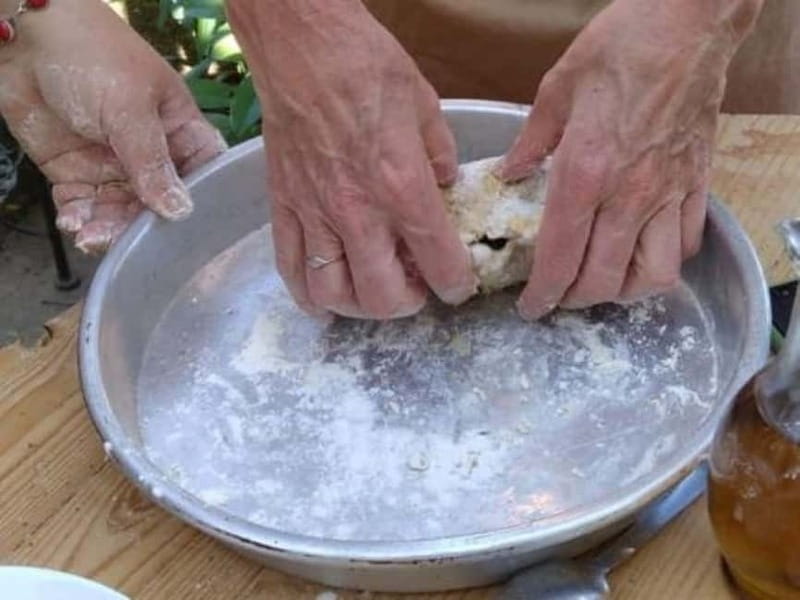
At $76 per person for 150 minutes, this is not a budget activity. So the fair question is: what are you paying for, exactly?
You are getting several concrete pieces of value:
- Three dishes you cook plus a full meal at the end
- All ingredients for the menu
- Kitchen facilities and aprons provided
- Beverages included, including homemade wine raki plus other options
- Detailed recipes to take home
- A small group capped at 10
When you add those up, the price makes sense more than you might expect. It is not just a hands-on snack. It is an organized food experience with real meals and drink included.
That said, if you want a class where every minute is hands-on and you cook every step yourself, you may feel the price more sharply. Some sessions can feel like one person does more of the cooking while others watch. If that is your preference, look for classes with that explicit hands-on structure. With this one, aim for learning and tasting the results, not controlling the whole stove.
Who should book this vegetarian class in Gjirokastër?
This tour is a strong match for:
- You want Albanian vegetarian cooking that is tied to Gjirokastër, especially Qifqi
- You like cooking lessons where you also get to sit down and eat
- You enjoy food experiences in small groups with real interaction
- You want a recipe you can actually use later, not just a vague food memory
It may not be ideal if:
- You are hoping for a wide range of vegetables and many different dish variations
- You strongly prefer a fully hands-on class where everyone cooks every step
- You dislike instruction-heavy teaching and prefer a super relaxed, casual vibe
If you fall somewhere in the middle, that is fine. The best way to enjoy this is to treat it as a focused local lesson: rice, yogurt, and comfort-food sweetness, taught by someone who knows the tradition.
Should you book it?
I’d book this if you want a real Gjirokastër food connection and you are excited to learn Qifqi and Hasude with Marjeta. The small group size, full meal, and recipe take-home package make the price easier to justify.
I would think twice if you are paying mainly for variety or for lots of vegetables, or if you need every person to actively do every step. In that case, you might feel like you spent $76 on watching more than cooking.
If you do book, go hungry, ask questions while you cook, and plan to enjoy the meal as part of the lesson. That is when the whole experience makes the most sense.
FAQ
Where is the meeting point for this cooking class?
You meet your guide in Cerciz Topulli square.
How long is the cooking class?
The class lasts 150 minutes.
How many people are in the group?
It is a small group, limited to 10 participants.
What dishes do you cook?
You cook a vegetarian menu including Qofte Bobollaqe, Qifqi, and Hasude.
What is included in the price?
The experience includes all ingredients, kitchen facilities and aprons, a full meal, homemade wine raki and other beverages, plus detailed recipes for the dishes.
Do you get recipes to make the food at home?
Yes. At the end, you receive a recipe for what you cooked, along with detailed instructions.
What drinks are offered during the class and meal?
You start with raki or a soft drink, and you can also pair the meal with a complimentary glass of wine, raki, or a soft drink. Homemade wine raki is included.
What languages are available for the tour?
The guide and support are available in Albanian and English.
What is the cancellation policy?
You can cancel up to 24 hours in advance for a full refund.
Added to Gjirokaster lately
- Vegetarian cooking class in Gjirokastër★ 5.0 · 1 review
- From Tirana: Gjirokastër Castle, Cold War Tunnel & Bazaar★ 5.0 · 1 review
- Dress as a Local in Gjirokaster★ 5.0 · 1 review
- South of Albania: 2-Day Adventure Tour★ 5.0 · 1 review
- Blue Eye & Gjirokaster: 4×4 Tour and Old Bazaar★ 5.0 · 3 reviews
- Gjirokastra Private Half-Day Walking Tour★ 5.0 · 3 reviews
- Gjirokaster Walking Tour★ 5.0 · 4 reviews
- Gjirokaster – The Stone City of UNESCO, Private Tour from Tirana★ 4.5 · 4 reviews
Gjirokaster Stone City & Zekate Trips, compared.
Lekursi Castle, Blue Eye, Gjirokaster, & More Tour
Read our review →
Daily Trip To:Blue Eye,Monastery,Gjirokaster&Lekursi Castle
Read our review →

Gjirokastra- The Stone City & Blue Eye- The monument of Nature.
Read our review →
Day tour from Saranda/Ksamil:Gjirokaster +Blue Eye & Lekursi
Read our review →
Browse the lists this tour appears in