
Reviewed · DURRES BEACH & AMPHITHEATRE DAYS
Full Day Trip to Durres, Apollonia and Ardenica Monastery
Three sites, one smooth day. You get Roman-era Durres, UNESCO Apollonia, and Ardenica Monastery in a compact 8-hour loop that covers over 2,500 years of Albanian history. I like how the route mixes big public monuments with quieter, reflective stops, and I also like that you come away with those sweeping regional views the day naturally gives you. The one thing to consider is that the itinerary involves uneven ground, so it is not a good fit for anyone using a wheelchair or with walking disabilities.
With a small group of up to 6, you are not stuck in a huge crowd, and the trip is guided throughout with entrance fees handled. If you are lucky enough to get Ilir (a name that shows up in recent feedback), you get clear English and real flexibility, including schedule tweaks when plans need adjusting. The drawback: meals are not included, so you’ll want to plan for lunch on your own or be ready for the lunch break being optional.
In This Review
- Key Points You’ll Care About
- How This 8-Hour Loop Covers 2,500 Years
- Starting in Durrës, Albania’s Big Port City
- The Amphitheatre of Durrës is the star
- Apollonia Archaeological Park, UNESCO and the Philosophy School Story
- What you see at Apollonia
- A city abandoned, and still full of atmosphere
- Ardenica Monastery, a Living Site with Skanderbeg Ties
- Theological school and the burned library
- The Pace, Transport, and Small-Group Value
- What you should bring
- What’s Included, What’s Not, and Why It Changes the Math
- Who This Trip Fits Best (and Who Should Skip It)
- Guide Quality, Flexibility, and What to Expect in English
- When to Book It: Weather, Shoes, and a Smart Day Plan
- Should You Book This Durres, Apollonia, and Ardenica Monastery Day Trip?
- FAQ
- How long is the trip?
- Where does the tour take place?
- What is the price per person?
- What is included in the ticket price?
- Are meals included?
- What languages is the guide available in?
- Is it wheelchair accessible?
- What documents do I need to bring?
Key Points You’ll Care About
- Small group size (up to 6) keeps the pace human and the questions more useful.
- Three time periods in one day: port city, classical ruins, living monastery.
- Guides in English or Italian and skip-the-ticket-line entry.
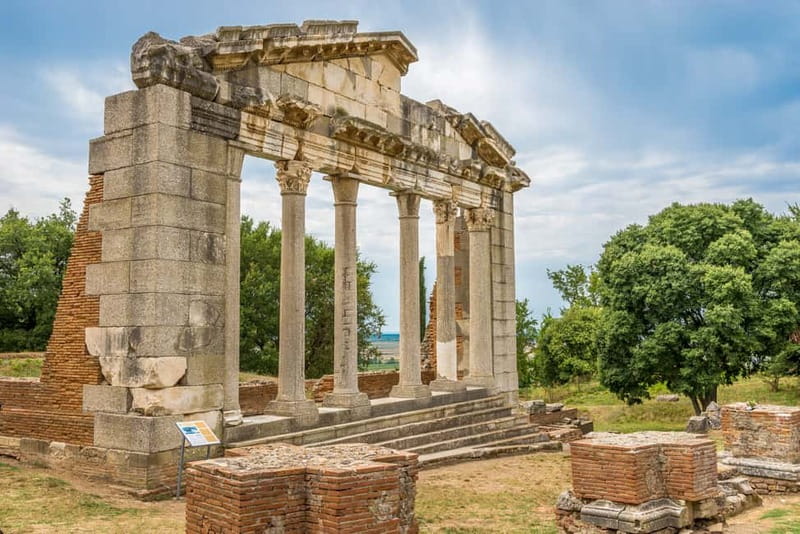
- Apollonia is UNESCO for a reason, with major sights like the Bouleuterion and the museum.
- Ardenica is still active, and you get specific links to Skanderbeg’s 1451 marriage.
- Not for mobility limits due to uneven surfaces and walking demands.
More Day Trips in Tirana

How This 8-Hour Loop Covers 2,500 Years
This full day trip is built for people who like history that you can see and touch, not history that stays in books. You start with Durres, roll into Apollonia’s archaeological world, and finish at Ardenica Monastery, where monks still live. The total time is listed at 8 hours, which is tight enough to feel energetic, but long enough to take in the major highlights without rushing every single second.
The biggest practical advantage is that transportation and guidance are included, plus hotel pick-up and drop-off in Tirana. That matters in Albania, where things are spread out and you do not want to spend your limited day figuring out connections. Also, the tour includes entrance fees for the places mentioned, so you are not constantly stopping to pay more at each gate.
Starting in Durrës, Albania’s Big Port City
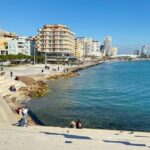
Your first stop is Durres, Albania’s second largest town and a historic port city. The story here is fast and layered. The city was founded around the 7th century BC, and it later became wrapped into Roman life so tightly that the Via Egnatia linked up through Durres. That is a big deal because the Via Egnatia was one of the major connective threads of the Roman world, meaning this place was not a backwater even long ago.
Durres also connects to modern Albania in a very tangible way. After the Albanian Declaration of Independence in 1912, Durres briefly served as the capital of the Principality of Albania. In other words, you are not only looking at ancient stone, you are also seeing how the same region kept reappearing in key moments.
The Amphitheatre of Durrës is the star
The port city’s priced attraction is the Amphitheatre of Durrës. It once had a capacity for around 20,000 people and is considered the largest amphitheatre in the Balkan Peninsula. When you stand in a space like that, you automatically start picturing crowds, processions, and public life. It is one of those sights that gives you context for the rest of the day.
You also get a quick coffee break by Durres’ marina or the city’s more modern center. That short pause is not just for caffeine. It gives you a reset before you head to the quieter, more contemplative ruins at Apollonia.
Apollonia Archaeological Park, UNESCO and the Philosophy School Story
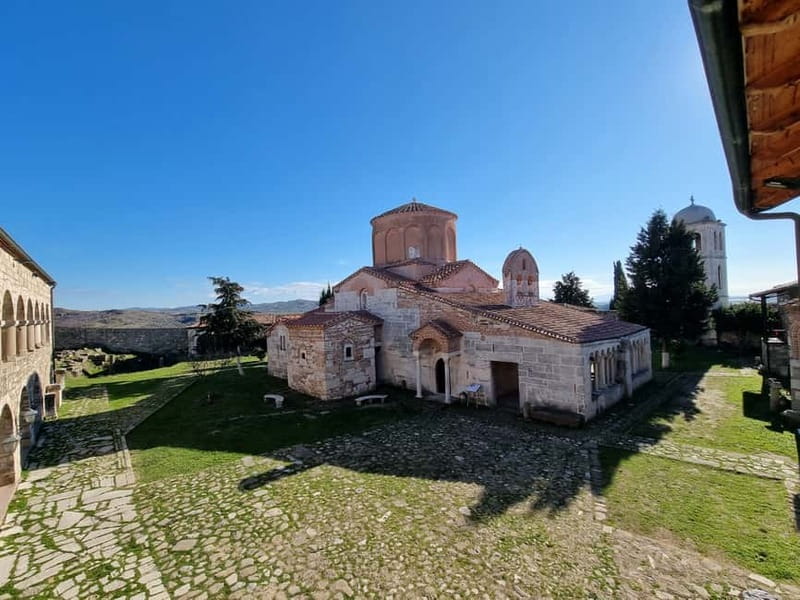
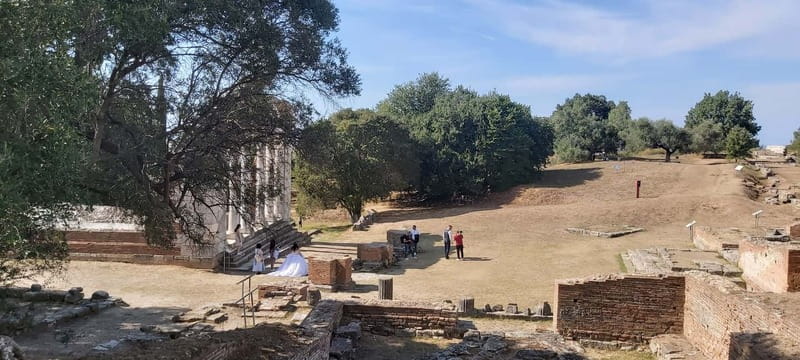
Next you head toward the village of Pojan to visit the UNESCO Apollonia Archaeological Park. Apollonia was founded around 600 BC, and it became famous as a cultural and educational center. The standout detail for many history lovers is that Apollonia had a renowned school of philosophy, and it attracted students including Augustus, who later became the first Roman emperor.
That is a fascinating angle because it flips the usual “ancient city” focus away from only armies and buildings. A place that trained minds is a different kind of power, and you can feel that in the way the ruins are arranged and interpreted.
A few more Apollonia and Ardenica ruins trips:
- Gjirokastra & Bylis Illyrian City Day tour Tirana/Durres/Golem
★ 5.0 · 36 reviews - 1001 Windows of Berat & Golden Sunset in Apollonia
★ 5.0 · 16 reviews - Ancients and Ottomans – Apollonia and Berat
★ 5.0 · 11 reviews - Explore Berat(UNESCO) and Apollonia from Tirana/Durres
★ 3.5 · 5 reviews
What you see at Apollonia
You visit several key parts of the park, including:
- The Church of Saint Mary
- The Archaeological Museum
- The Odeon
- The library
- The Bouleuterion, which is the most photographed monument
The Bouleuterion matters because it ties into how the city functioned, socially and politically. The museum helps you connect objects to the scale of the city, so the ruins do not feel like random rocks. The church and other structures also show that the site carried meaning long after the city’s classical peak.
A city abandoned, and still full of atmosphere
Apollonia was abandoned in the 4th century AD. What stays is the physical setting, plus the sense that human systems change and vanish while landscapes keep going. The ruins make a strong stop for reflection, and the day’s pacing gives you enough time to slow down without turning the trip into an all-day slog.
If you care about photography, this is where you’ll probably spend a chunk of your attention. The complex of structures and the way views open up across the site are built for pictures, even if you are not a dedicated photographer.
Ardenica Monastery, a Living Site with Skanderbeg Ties
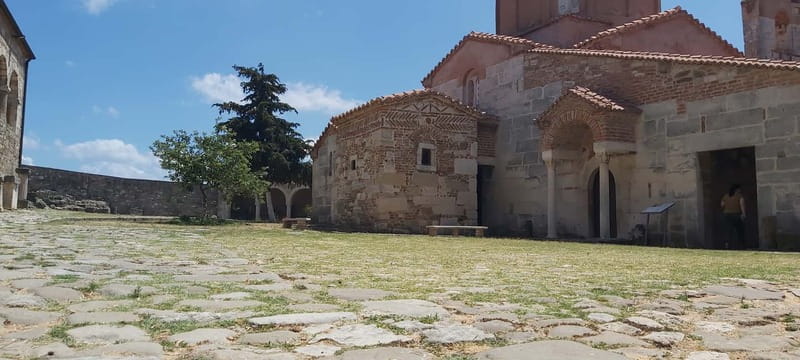
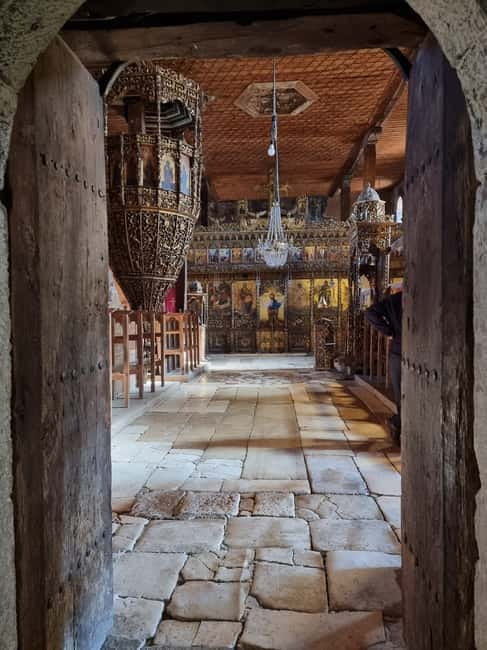
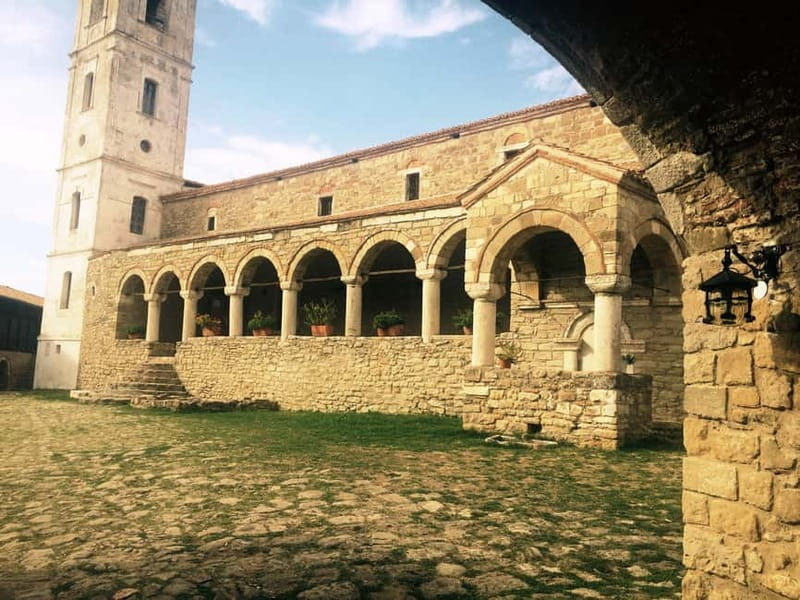
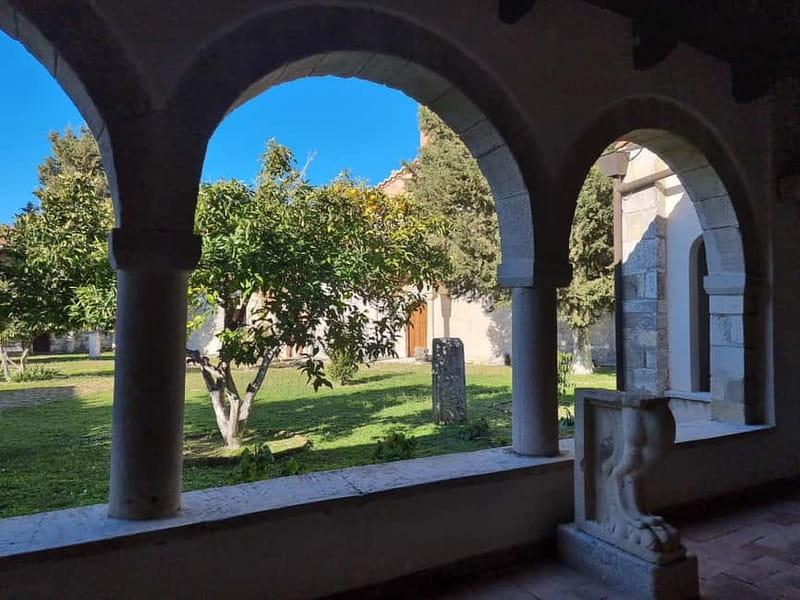
The final major stop is Ardenica Monastery, in a setting that feels more like a pause than a checklist item. This is described as the last monastery where monks still live. That changes the vibe immediately. You are not only viewing a museum-like site, you are visiting a place with daily life.
Built in 1282, Ardenica started as an Eastern Orthodox monastery. It is especially famous for a moment in Albanian national history: in 1451, the marriage of national hero Skanderbeg to Andronika Arianiti was celebrated here. That means the monastery is not just religious heritage, it is also a concrete location tied to a widely remembered chapter of the country’s identity.
Theological school and the burned library
There is more to Ardenica than monuments. In 1780, the monastery began a theological school to prepare clerics in Greek Orthodoxy. The site also had a major library of around 32,000 volumes, which sadly were completely burned by a fire in 1932. That detail adds weight to your visit because it explains why you see the stones and spaces, but not the same materials you might expect from a place that once held so much learning.
When a site has both a wedding story and a learning institution story, it becomes easier to understand why people return to Ardenica again and again. You are seeing tradition, education, loss, and survival, all layered in one place.
The Pace, Transport, and Small-Group Value
This is an 8-hour trip with transport included, using an air-conditioned vehicle. The inclusion matters for comfort, especially if you travel in warmer months. You also get a driver/guide role, plus a live guide for the sights and the skip-the-ticket-line benefit.
The small-group format is limited to 6 participants, which is a practical advantage. You get more attention at the monuments. You can ask questions without waiting for the group to catch up. And if your pace is slightly slower, the guide can usually adjust the flow more easily than with a big bus crowd.
Pickup is included from your hotel in Tirana, with pick-up starting 15 minutes before departure. That kind of timing is helpful because you can plan your morning calmly instead of hunting for your meeting point.
What you should bring
The tour info is simple: wear comfortable clothes. Since you are moving through historical sites with uneven surfaces, shoes that grip well are a wise idea. Also, you need a current valid passport on the day of travel.
What’s Included, What’s Not, and Why It Changes the Math
You are paying $212 per person for a full day that covers:
- A/C transport
- Guided tours at Durres, Apollonia, and Ardenica
- Entrance fees for the mentioned monuments and museums
- Driver/guide
- Hotel pick-up and drop-off in Tirana
What is not included is equally important: meals and drinks are not included, and there are personal expenses and optional activity costs not covered. If you plan lunch badly, you can erase some of the value you felt from the tour price.
Still, $212 can be good value when you compare it to the cost of doing three guided sites plus entrance fees plus transportation on your own. The real economic win is time and coordination. You are also not spending your day driving between far-flung places and figuring out where to park, how to schedule museum entry, and how to interpret what you see.
Who This Trip Fits Best (and Who Should Skip It)
This trip is a strong match for you if you want a dense history day that still stays organized. You’ll likely enjoy it if you care about:
- Roman influence in the Adriatic world
- Greek Orthodox monastic life and national history links
- A route that keeps shifting between monuments, museums, and active religious space
It is not suitable for people with mobility impairments. The reason is clearly stated: uneven surfaces make it difficult, and it is not recommended for wheelchair users. If that applies to you, it’s better to look for a route with flatter terrain and fewer walking demands.
Also, unaccompanied minors are not allowed, and children must be accompanied by an adult.
Guide Quality, Flexibility, and What to Expect in English
Language support is listed as English and Italian, and you also get a live guide and driver/guide. In the feedback attached to this experience, Ilir is singled out for excellent English, punctual departures, and flexibility. One person even noted that Ilir adjusted the following tour after a request made the previous day that would have made the tour much longer. That’s the kind of practical flexibility you value on a day trip, because delays and schedule changes happen.
So if you want a guide who can talk through sites clearly and handle minor timing issues without drama, this is the right style of tour.
When to Book It: Weather, Shoes, and a Smart Day Plan
Because you’re walking on uneven ground and moving through multiple stops, booking around your energy and the weather helps. Comfortable clothes are the rule, but think further than that. Choose shoes with good grip. Bring something light for sun protection if it’s hot. And keep your lunch plan simple, since meals are optional.
If you are the type who likes to take photos at the most photographed spot, plan your pace at Apollonia. That is where you’ll likely want a bit more time. The itinerary is structured, but your own attention still matters. With a small group, you can usually position yourself better for pictures and not feel like you are constantly blocked.
Should You Book This Durres, Apollonia, and Ardenica Monastery Day Trip?
I would book this if you want a well-structured history day that hits three big Albanian chapters without making you manage logistics. The combo is rare: Roman-scale Durres, UNESCO Apollonia with major classical sites, and Ardenica, where monks still live and where Skanderbeg’s 1451 marriage was celebrated.
Skip it if mobility is an issue. The uneven surfaces rule is not subtle, and the day packs in a lot of walking. Also, plan to handle meals yourself since lunch is optional and not included.
If your idea of a great day is to step back in time, see real monuments, and come away with specific historical anchors like Via Egnatia, Augustus, and Skanderbeg’s marriage, this trip is built exactly for that.
FAQ
How long is the trip?
It lasts about 8 hours.
Where does the tour take place?
It’s a full day trip in Fier County, Albania, with stops in Durres, Apollonia, and Ardenica Monastery.
What is the price per person?
The price is listed at $212 per person.
What is included in the ticket price?
You get A/C transport, guided tours of Durres, Apollonia Archaeological Park, and Ardenica Monastery, a driver/guide, hotel pick-up and drop-off, and entrance fees for the mentioned sites.
Are meals included?
No. Meals and drinks are not included, and lunch is optional.
What languages is the guide available in?
The tour provides a live guide in English and Italian.
Is it wheelchair accessible?
No. It is not recommended for people with walking disabilities or using a wheelchair due to uneven surfaces.
What documents do I need to bring?
A current valid passport is required on the day of travel.
More Full-Day in Tirana
A Few More Durres Beach & Amphitheatre Days
Added to Tirana lately
- Kosovo, Prizren Day Trip from Tirana★ 3.0 · 1 review
- Semi-Private Hiking Tour; Theth,Valbona&Koman Lake in 3 Days★ 5.0 · 1 review
- Private 1 Day Berat Tour from Tirana★ 5.0 · 1 review
- Private 3 Days Adventure in Albania and Gjirokaster County★ 5.0 · 1 review
- From Tirana: Ksamil Islands, Saranda, & Blue Eye Day Trip★ 5.0 · 1 review
- Tirana Airport Private Transfer To City★ 5.0 · 1 review
- Architectural Walking Tour Discovering Tirana’s Modern Identity★ 5.0 · 1 review
- From Shkoder: 3-Day Valbona to Theth Hike Tour All Inclusive★ 5.0 · 1 review
Durres Beach & Amphitheatre Days, compared.
Bovilla Lake Serenity:Day Tour from Durres/Golem
Read our review →Browse the lists this tour appears in