
Reviewed · BLUE EYE SPRING DAY TRIPS
From Tirana & Durres: Private Tour of Gjirokaster & Blue Eye
One of Albania’s steepest days is also one of its best. I love pairing Gjirokaster Castle with real walkable old streets, and I also love the payoff at Blue Eye with that deep-water, impossible blue view. The main thing to consider is the amount of walking on cobblestones and slopes, so comfier shoes help a lot.
If you want a day that mixes architecture, local life, and a famous natural stop, this tour is built for you. You’ll get a professional English-speaking guide, entrance fees are included, and you stay in a comfortable AC vehicle between stops. If you’re chasing zero walking and zero stairs, you may find the castle area too much.
In This Review
- Key highlights you will actually care about
- Why Gjirokaster + Blue Eye is a smart 12-hour combo
- Pickup in Tirana or Durrës, then settling into a smooth day
- Gjirokaster Castle: the hill fortress that explains the whole town
- Skenduli House: seeing local life inside a traditional home
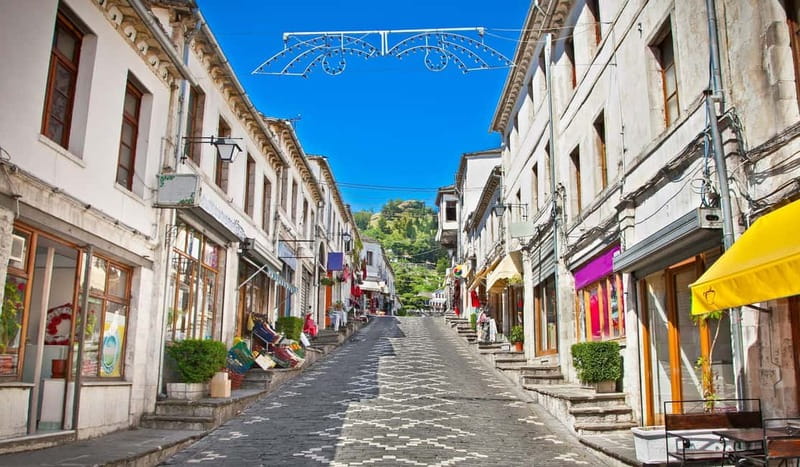
- Traditional Baazar cobblestones and the houses tied to Albania’s history
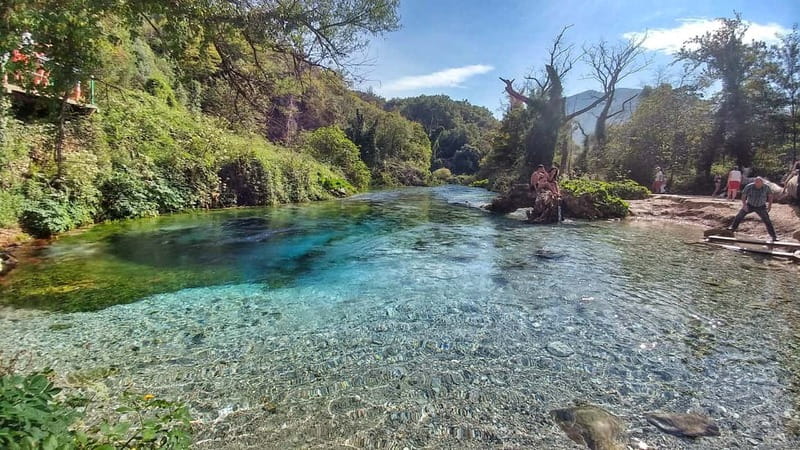
- Blue Eye in Finiq: the 50-meter blue-water effect that stops time
- Food plans: what you get and what you should bring
- Price and value for $164 per person
- Who should book this tour, and who should think twice
- Final call: should you book this one?
- FAQ
- How long is the private tour of Gjirokaster and the Blue Eye?
- Where do pickup and drop-off happen?
- Is the tour guide available in English?
- What is included in the price?
- What is not included?
- Is this tour private or a small group?
- Do you include entrance fees?
- Can I cancel for a refund?
Key highlights you will actually care about
- Gjirokaster Castle on the hill gives you the big-picture view of the Stone City and how the town grew around the fortress
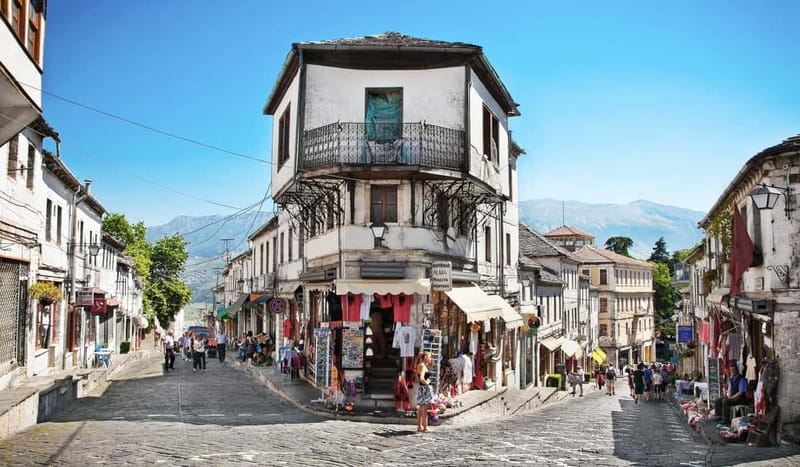
- Traditional Baazar cobblestones let you slow down where daily life used to play out, not just photo spots
- Skenduli House shows you what local family life looked like inside a preserved traditional home
- Two historic figure houses connect the architecture to Albania’s national story, not just street scenery
- Blue Eye in Finiq delivers a clear-blue spring effect visible from more than 50 meters down
- Professional English guide who keeps the day moving while stopping where the details matter
A few more Blue Eye Spring day trips:
Why Gjirokaster + Blue Eye is a smart 12-hour combo
Gjirokaster is the kind of place that rewards your legs. The town sits high and steep, so you feel the layout as you walk, and every turn explains something about the settlement. That makes it perfect for a guided day, because you get context for the stones, the rooftops, and the fortress mindset.
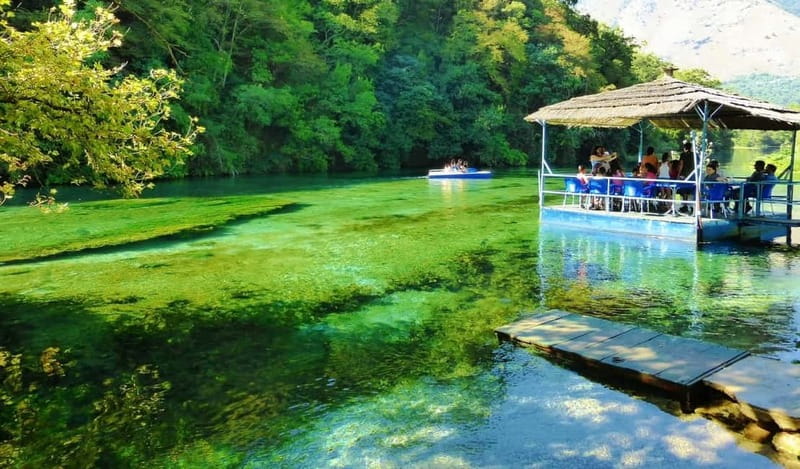
Then you leave the city and switch to nature at the Blue Eye. The contrast is the point. You go from Ottoman-style stone townscapes to a natural spring where the Bistricë River’s clear blue water can be seen from depths of more than 50 meters. It’s one of those stops that feels made for photos, but it also earns a quiet moment.
At $164 per person for 12 hours, the value comes from the full package: hotel-style pickup and drop-off in the included area, a professional guide, entrance fees, and in-destination transport. You are not just buying transportation, you are paying for a guided route that actually links the sites into one story.
Pickup in Tirana or Durrës, then settling into a smooth day
The tour starts with pickup options from Tirana and Durrës. Once you’re in the vehicle, you stay comfortable in an AC car for the travel between Gjirokaster and the Blue Eye. For a long day, this matters. It reduces the stress of figuring out connections on your own.
You also have a clear end point. Drop-off is offered back at Tirana or Durrës, so you don’t end up stuck finding your own ride after a full day of sightseeing. The day is structured to cover multiple sites without turning the visit into a scramble.
A small but important practical note: this is a private or small-group style tour. That means your guide can adjust pacing when you want extra time for photos or when the cobblestones and steps slow you down a bit.
Gjirokaster Castle: the hill fortress that explains the whole town
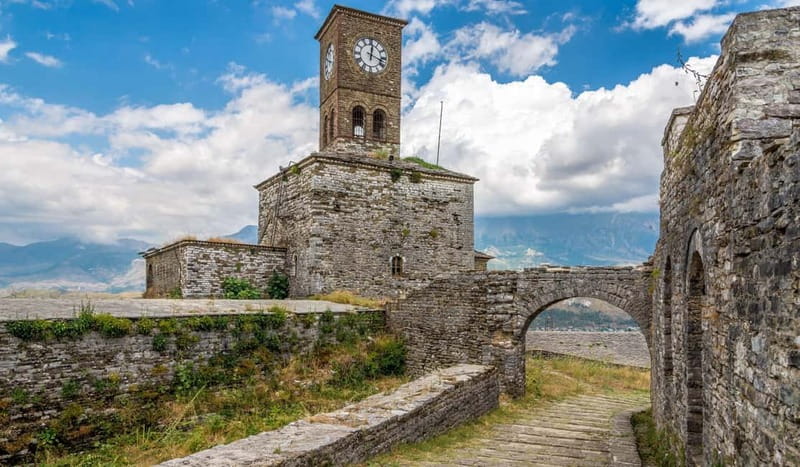
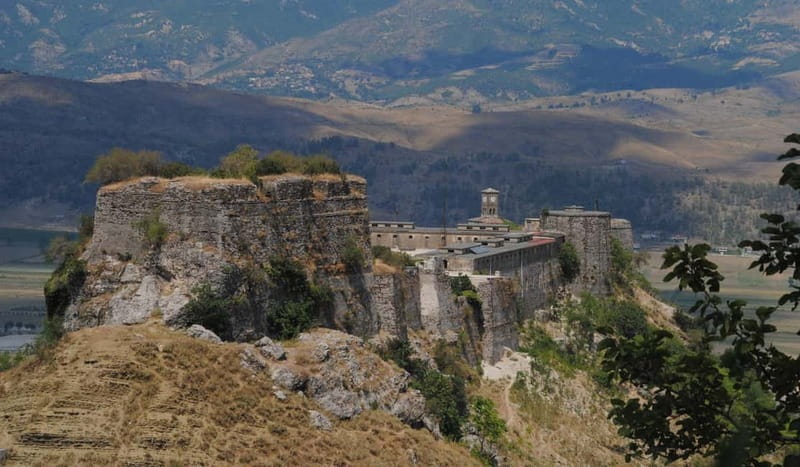
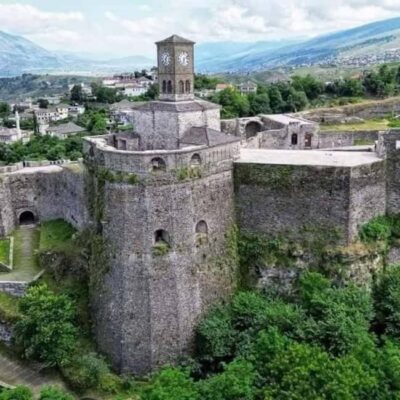
The day begins with the town’s signature view, the Castle of Gjirokaster. This is the pride of Gjirokaster, the place where you start to understand why the city is built the way it is. From up there, the “Stone City” nickname makes sense fast.
Gjirokaster’s story goes way back, with roots dating to the 4th century AD. It’s also historically tied to the Byzantine era and later became a major economic, political, and cultural center. You’ll often hear the old name Argyrokastro, sometimes translated as Silver Castle, which fits the way locals historically valued the stronghold and its surroundings.
What you will notice during the guided walk is that the castle area is not just one big viewpoint. It’s a gateway to the city layout. As you move off the hill, the streets feel like they were carved around defensive thinking and practical living. The guide helps you connect the dots between the fortress position and the architecture you see lower down.
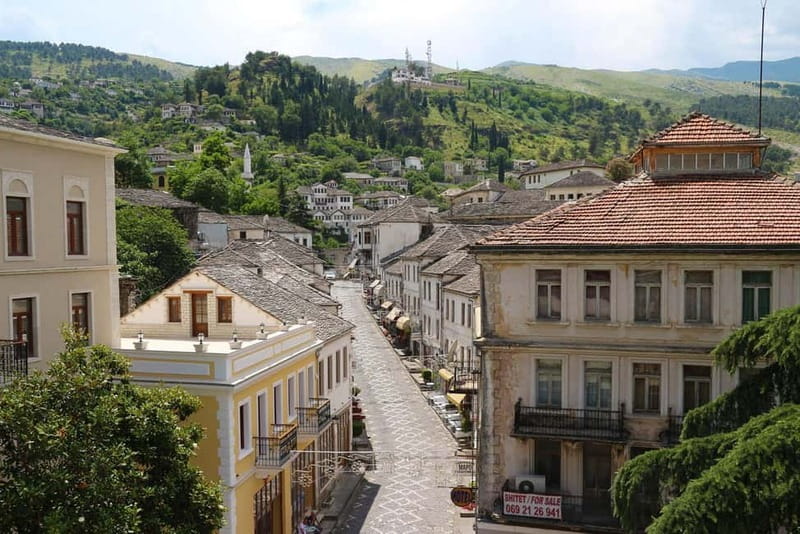
The castle visit is also where you feel the UNESCO-style preservation mentality. The whole Gjirokaster district is part of UNESCO World Heritage since 2005, and the guide will point out the Ottoman-era architecture that survives so well. That includes the famous stone rooftops and the special “small fort” style houses. Even if you do not memorize architectural terms, you’ll start recognizing the shapes and materials that define the town.
Possible consideration: castle time means walking. Paths can be uneven and the city is described as extremely steep, so if you have knee issues or mobility limits, plan accordingly. Good walking shoes are not optional here.
Skenduli House: seeing local life inside a traditional home
After the castle, the tour shifts from sweeping views to lived-in space with a visit to Skenduli House. This is where I like the tour design, because it adds texture. You’re not only looking outward at the town, you are stepping into a preserved home that helps you understand how people organized family life.
In Gjirokaster, the architecture is not just decoration. It reflects how families built, stored, and lived in a steep setting. A guided look at a traditional house turns the stones into something human and practical.
This stop is also a good counterbalance to the fortress. Castles show power and defense. Traditional homes show daily routine, privacy, and comfort in a tough terrain. Together, they explain why this city is so distinctive and why it is so worth visiting even if you are not a hardcore architecture nerd.
A few more Gjirokaster stone city trips:
- Saranda: Lekursi Castle, Blue Eye, Gjirokaster, & More Tour
★ 4.9 · 884 reviews - Daily Trip To:Blue Eye,Monastery,Gjirokaster&Lekursi Castle
★ 4.9 · 665 reviews - From Tirana/Durres: Saranda & Ksamil Beach and Gjirokastra
★ 4.9 · 428 reviews - Sarandë: Tour Gjirokaster,Blue Eye & Lekursi Castle
★ 4.7 · 220 reviews
Traditional Baazar cobblestones and the houses tied to Albania’s history
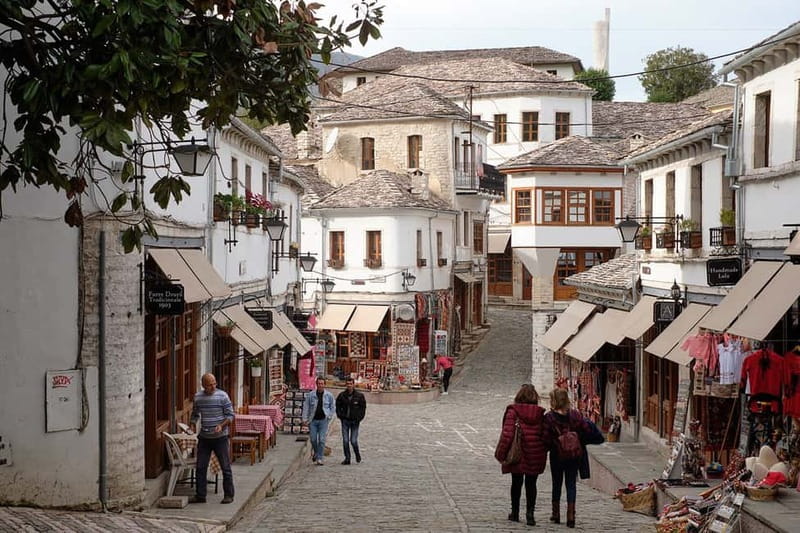
Next comes the Traditional Baazar of Gjirokaster, where you walk cobblestone streets and soak up the old-market vibe. Even if you are not hunting souvenirs, this part is useful. It’s where the city’s “small scale” life shows up, the kind you miss if you only do viewpoint hopping.
The bazaar links directly to the UNESCO story too. In Gjirokaster, the old market area and the preserved buildings go together. You get a sense of how the city functioned economically and socially, not just how it looked from far away.
The tour also includes visits to the houses of two of Albania’s most important historical figures. The names are not provided in your tour details, so I can’t pretend I can tell you who they are. But the important point is what you’re getting: architecture used as a doorway into national memory. Your guide can connect what you’re seeing with Albania’s larger story, so the houses feel purposeful rather than like a checklist item.
If you like history that you can see, not just read, this segment is a strong value add. It turns the “Stone City” theme into something specific to Albania.
Blue Eye in Finiq: the 50-meter blue-water effect that stops time
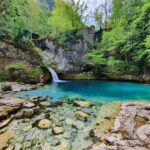
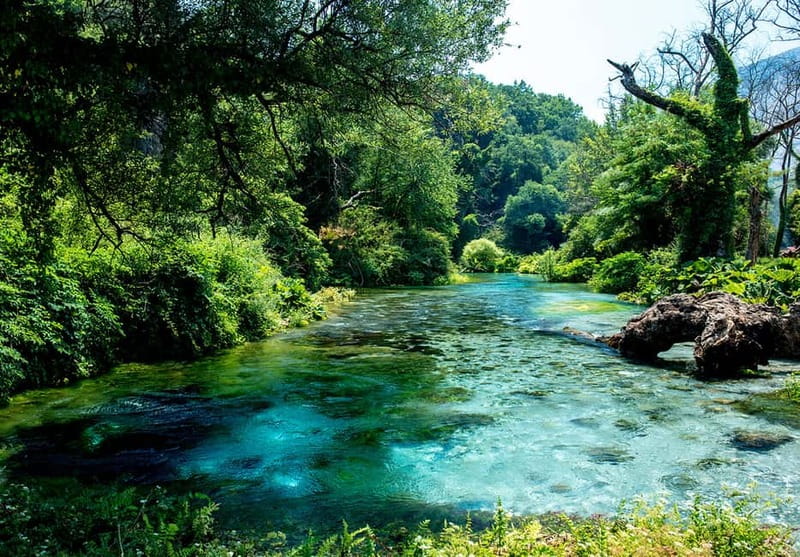
Then you head to the final star, Blue Eye, a water spring in a village in Finiq in southern Albania. The reason the Blue Eye is so famous is simple: the clear blue water of the Bistricë River can be seen from more than 50 meters down. That visual depth effect is what makes the site feel almost unreal.
What I like about scheduling Blue Eye as the last stop is that it gives you a breather after Gjirokaster walking. It’s a nature moment where you can slow your pace, refocus, and let the day reset.
You might also notice how people react at this stop. The tour description frames it as a place that leaves you wanting to jump into the blue and take a dip. If that sounds like your style, bring swimwear and something to protect your feet. If it’s not your thing, you can still enjoy the view, because the spring effect is the main attraction.
Practical consideration: it’s a famous photo stop, so treat it like any popular nature site, give yourself time to find your preferred angle, and expect some foot traffic.
Food plans: what you get and what you should bring
Lunch is not included in the tour price. That means you have freedom, but it also means you should think ahead.
The good news is your professional guide can help you find a practical traditional lunch option during the day. Based on guide behavior seen by earlier participants, I would plan for a relaxed lunch recommendation rather than a hard-scheduled buffet.
If you want a low-stress day, pack a small snack or water for the long travel and walking portions, especially if you know you get hungry quickly.
Price and value for $164 per person
At $164 per person for a full 12-hour day, the value depends on what you compare it to.
If you try to do this route on your own, you’ll spend time coordinating transport, paying separate entrance fees, and figuring out what to prioritize in Gjirokaster. Here, entrance fees are included, and you also get professional English-guided routing plus all transportation in the destination location. That means less logistics work for you and a smoother day flow.
You are also paying for a guide who connects the dots:
- how the castle hill relates to the city
- why the architecture is preserved
- what “traditional house life” looked like
- why the Blue Eye’s depth makes the water look the way it does
That guidance is exactly what turns a list of sights into a coherent experience.
Who should book this tour, and who should think twice
This tour is a great fit if you want:
- an efficient one-day route that covers Gjirokaster and Blue Eye
- a guided look at castle, bazaar streets, and preserved traditional architecture
- an English-speaking guide handling the story and the pacing
- the convenience of pickup and drop-off plus in-region transport
Think twice if:
- you struggle with steep walking or cobblestones, because the castle area and town layout are demanding
- you prefer long stops where you can wander independently with zero structure, since the day is set up to hit key sites in sequence
- you are planning your own food timing, because lunch is on you
Final call: should you book this one?
I’d book it if you want the best first taste of Gjirokaster, including Skenduli House and the bazaar streets, and then you want the payoff of the Blue Eye without turning the day into a transport puzzle. The included entrance fees and guide support make it feel like a real service, not just a ride.
If your biggest goal is pure relaxation and minimal walking, then maybe choose a shorter city-focused visit. But if you’re okay with a full-day pace, this is one of the most logical value ways to see the Stone City and end with a truly memorable natural phenomenon.
FAQ
How long is the private tour of Gjirokaster and the Blue Eye?
The total duration is 12 hours.
Where do pickup and drop-off happen?
Pickup and drop-off options include Tirana and Durrës. Hotel pick-up and drop-off in Tirana is listed as included.
Is the tour guide available in English?
Yes. The live tour guide is available in English.
What is included in the price?
Included are hotel pick up and drop off in Tirana, a comfortable AC vehicle, a professional tour guide, entrance fees, and all transportation in the destination location.
What is not included?
Lunch or snacks in Gjirokaster, and personal spending or souvenirs.
Is this tour private or a small group?
The tour is available as private or small groups.
Do you include entrance fees?
Yes, entrance fees are included.
Can I cancel for a refund?
Yes, free cancellation is available up to 24 hours in advance for a full refund.
A Few More Durres Beach & Amphitheatre Days

Added to Durres lately
- Sektor Rinia Tour (ATV 4 hours)★ 5.0 · 1 review
- Durres/Golem/Qerret: Bovilla Lake Tour with Hike and Guide★ 5.0 · 1 review
- Wine tasting tour, Optional wine yard tour and kayak rides★ 5.0 · 1 review
- Tirana & Durres: 2 city tours – 1 day★ 5.0 · 1 review
- Durrës: Walking Tour and Roman Amphitheater★ 5.0 · 1 review
- Durres: 3-Hour 4×4 Jeep Safari Tour in Sektor Rinia★ 5.0 · 1 review
- Golem/Durrës: Karavasta Lagoon Tour★ 2.0 · 1 review
- From Tirana: Cape of Rodon Castle, Beach & Wine Tasting Tour★ 5.0 · 1 review
Blue Eye Spring Day Trips, compared.
Lekursi Castle, Blue Eye, Gjirokaster, & More Tour
Read our review →
Daily Trip To:Blue Eye,Monastery,Gjirokaster&Lekursi Castle
Read our review →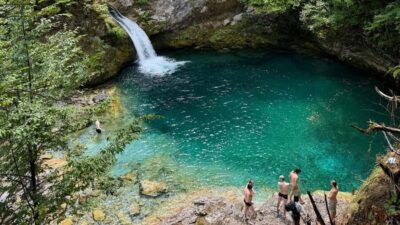
Best of Saranda: Blue Eye, Butrint, Ksamil & Lekuresi Castle
Read our review →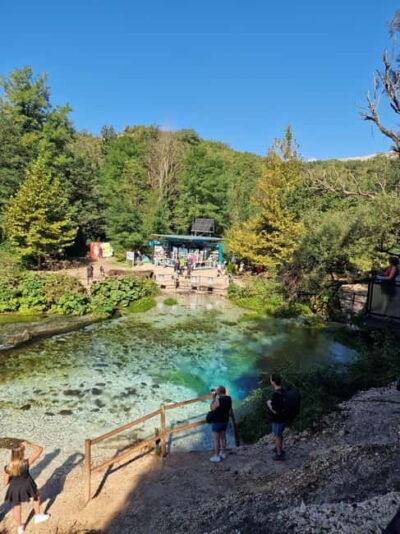
Blue Eye Kayak and walking tour & Lekursi Castle
Read our review →
Browse the lists this tour appears in