
Reviewed · COOKING CLASSES
Cooking Class Lazarat
Lazarat cooking here feels like family time. I like the hands-on pace, you actually cook the food instead of just tasting it. I also love how Lori and her family turn Lazarat flavors into a story you can taste, from petanik on natural fire to churning dhalla. The main drawback to consider is that it is a small, village setting, so you’ll want to show up ready to participate, not just watch.
For $58 per person, you’re not buying a long tour bus meal. You’re buying a 2-hour, guided, ingredient-led session that includes transportation, salads, traditional yogurt (dhalle), and raki, plus an extra recipe. If you want polished, scripted sightseeing, this is not that.
In This Review
- Key highlights at a glance
- Why Lazarat cooking feels personal, not packaged
- Getting to Lori’s garden kitchen in Gjirokaster District
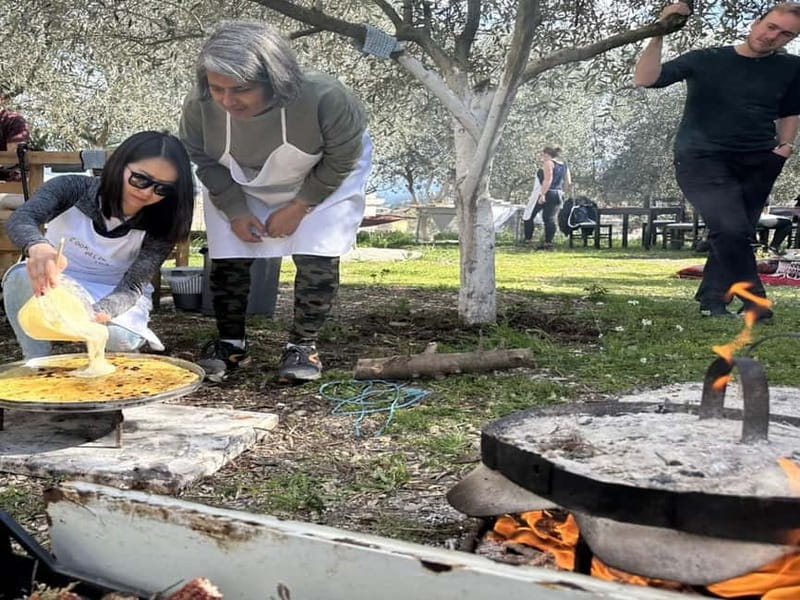
- Petanik on natural fire: layering the simplest ingredients
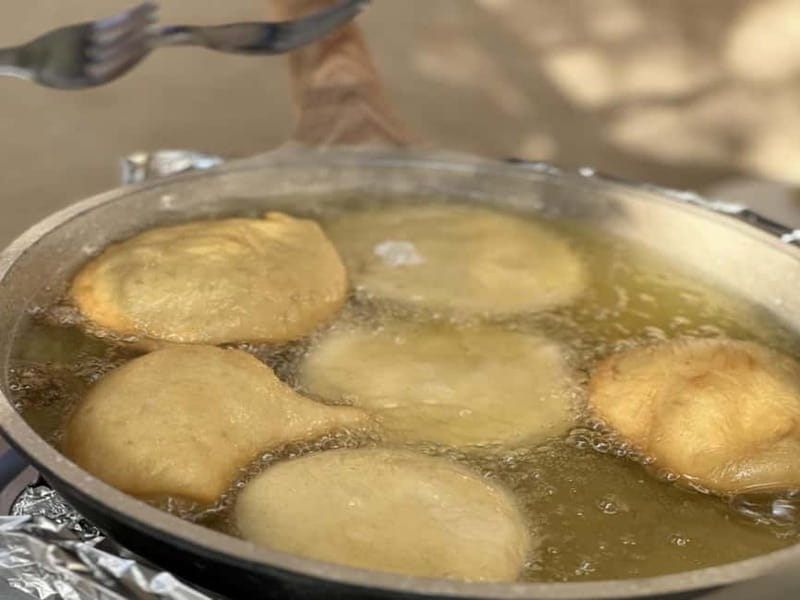
- Stuffed petulla: a wooden rolling pin and a crisp golden finish
- Hasude dessert: butter, honey, nuts, and seasonal flowers
- Churning dhalla: learning the community side of cooking
- Salads, dhalla yogurt, and raki: what you eat during the class
- Taking Lazarat home: Lori’s farm stand basics
- Price and logistics: is $58 good value?
- Who this class is best for
- Should you book Cooking Class Lazarat?
Key highlights at a glance
- Cook with Lori’s family, guided in Greek or English
- Petanik layered with flour, cheese, olive oil, and aromatic herbs cooked on natural fire
- Stuffed petulla shaped with a wooden rolling pin and fried until golden
- Hasude dessert with butter, cornstarch sugar, honey, nuts, and seasonal flowers
- Dhalla churning using a traditional wooden churn for real hands-on milk butter work
A few more cooking classes in Albania:
Why Lazarat cooking feels personal, not packaged
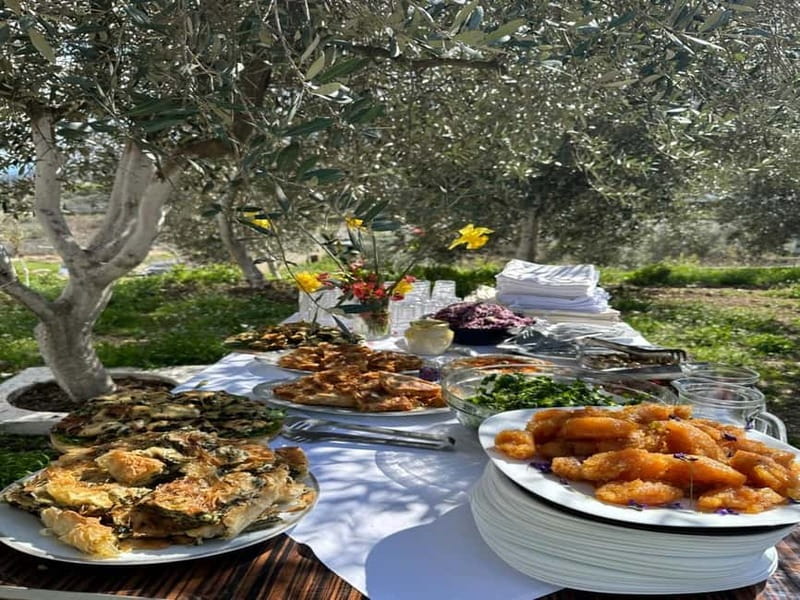
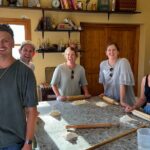
Some food experiences are staged. This one is built around a real household rhythm in the Gjirokaster District area, with Lori and loved ones guiding you in their garden kitchen. You should expect warmth, practical help, and a lot of small moments that don’t feel rehearsed.
The best part is that you do the work. You roll, layer, shape, fill, and cook. That matters because Albanian cooking is all about technique you can feel in your hands, not just ingredients on a card.
One more thing I appreciate: the class is linked to a community that has been through a difficult chapter. Lazarat was once known for marijuana cultivation, and in recent years the village has been changing, looking forward with hope and resilience. When you join an activity like this, your money supports small business and the shift toward new opportunities, including sharing local culinary traditions with visitors.
Getting to Lori’s garden kitchen in Gjirokaster District
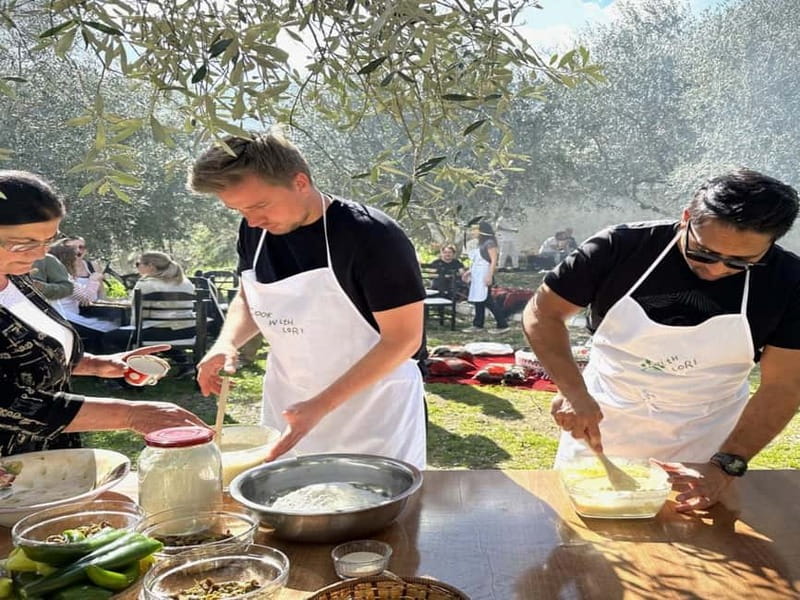
You’ll start with transportation to and from the village, so you’re not stuck figuring out roads on your own. The pick-up point is specified after booking, and you get a chance to choose either the 10:00 AM morning slot or the 3:00 PM afternoon slot.
Once you arrive, the setting does a lot for the experience. You step into a cozy garden kitchen where aromas hang in the air, herbs get freshly ground, and stews simmer. That sensory start is more than atmosphere. It gets you into the mindset of cooking from the ingredient level, the way local families tend to work.
Group size is from 2 to 25, so plan for a more intimate vibe with smaller groups, and a busier kitchen feel if you end up near the upper limit. Either way, the format is designed around guidance, not chaos.
A note on language: the instructor speaks Greek and English. If you want explanations of what you’re doing and why, this is set up for you to follow along.
Petanik on natural fire: layering the simplest ingredients
The first main dish is petanik, a traditional Albanian recipe that’s famous for its simplicity and its flavor when everything is layered correctly. You’ll get Lori’s guidance, including stories tied to grandmother recipes and family traditions passed down through generations.
What you’re making is a layered blend of flour, cheese, olive oil, and aromatic herbs. The key is how the layers build structure and taste. In other words, you’re not just mixing ingredients, you’re creating a stack that cooks evenly and holds together when it comes out hot.
You’ll cook it using natural fire, which changes the experience. Even if you don’t know the differences in heat right away, you can taste it in how the dough and cheese set. It’s also a good introduction dish because the process teaches you the basics: how to spread, how to layer, and how to work with dough without overthinking it.
Practical tip: plan to stay focused during this step. Petanik is where attention to layering pays off, and Lori’s family will guide you through it, but you still need to participate with steady effort.
Stuffed petulla: a wooden rolling pin and a crisp golden finish
Next comes stuffed petulla, a beloved rural dish with a crispy outside and a flavorful filling. If you like bread-making, this is the step that feels most “hands-on” in a classic kitchen way.
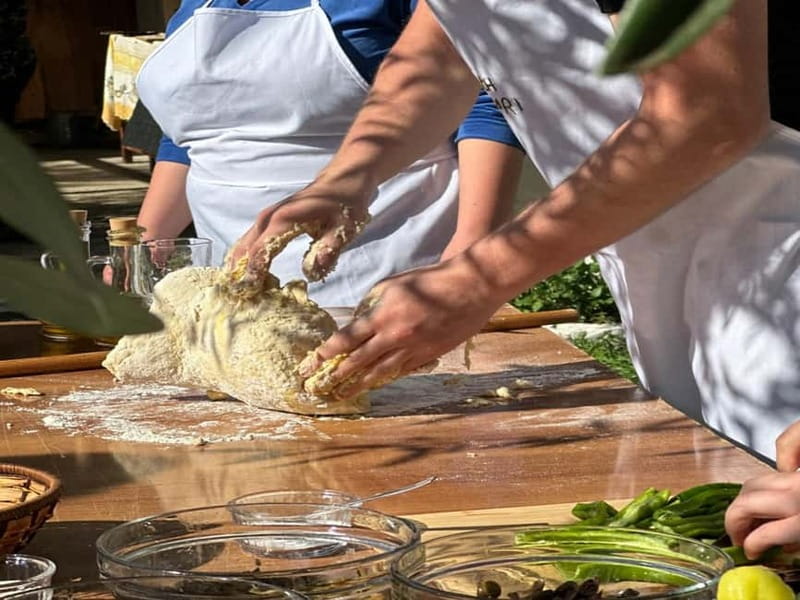
You’ll work with flour dough, shaping round pieces using a wooden rolling pin. This matters because it’s not only tradition, it’s technique. The wooden pin helps you create a consistent thickness so the dough can fry up crisp without getting doughy in the middle.
Then you fill the rounds with a mixture made from vegetables, olives, and cheese (a bio mixture, as the class describes it). After shaping, you fry until golden perfection. The filling stays rich, and the dough stays crunchy. It’s the kind of result you can bring home mentally, because you can picture the exact moments when it changes in the pan.
If you’re the type who likes tasting as you go, you’ll appreciate how stuffed petulla keeps giving you clues. You can smell it when it’s nearly ready, and you can see the color shift that signals crispness.
Not sold yet? More of Albania to sift through:
- Ksamil & Saranda & Blue Eye Day Tour From Tirana ,Durres or Golem
★ 4.5 · 116 reviews - Saranda Quad adventure on 450cc ATV 4×4
★ 5.0 · 67 reviews - Speedboat to Sazan Island and Karaburun – Small Group Experience
★ 4.0 · 56 reviews - Kayak Sup Tours Lukova Caves – Kroreza
★ 5.0 · 49 reviews
Hasude dessert: butter, honey, nuts, and seasonal flowers
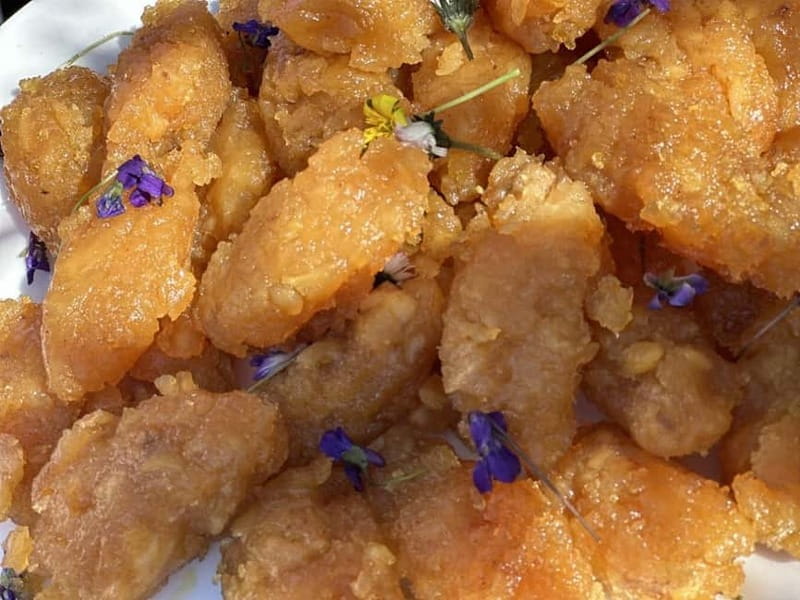
For dessert you’ll cook hasude, an Albanian sweet known for being straightforward and hard to stop eating. Lori guides you through a mixture of butter, cornstarch sugar, honey, and nuts, cooked in a pan until it comes together.
What makes this step feel different from many cooking classes is the mention of seasonal flowers. That aroma cue matters. It’s a reminder that local sweets aren’t always just sugar and flour. They often carry a floral note that depends on the season and what’s available.
The sweet payoff is also about texture. Hasude isn’t only about being sweet. It’s about a satisfying, cooked mixture that sets properly in the pan.
Practical tip: dessert happens fast once the mixture starts cooking. If you’re slow to stir, you might overcook the edges before the center is ready. Follow Lori’s pace and you’ll get the right finish.
Churning dhalla: learning the community side of cooking
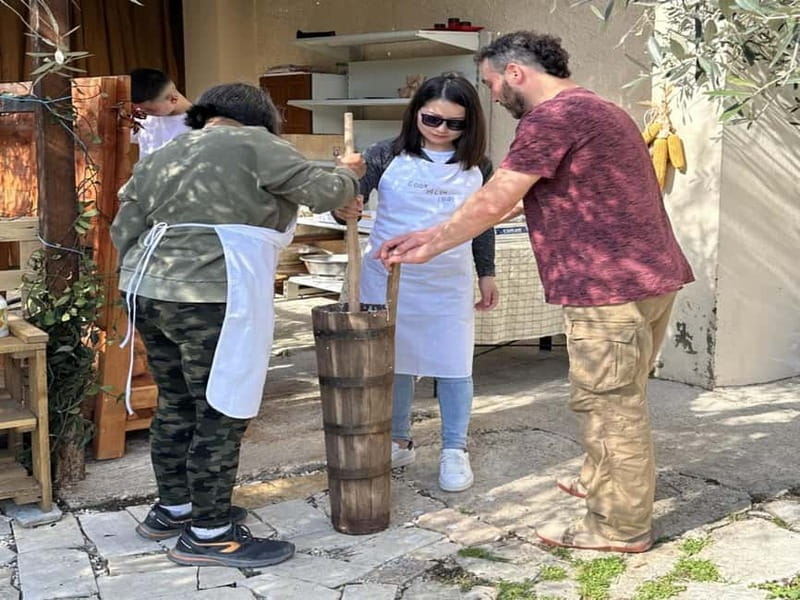
One of the most memorable parts of the class is the opportunity to participate in churning dhalla. This is described as a cherished tradition in Albanian culture that symbolizes community and togetherness.
Instead of only talking about dairy, you get to do the work with a traditional wooden churn. The process involves churning milk in a long, narrow wooden vessel with a wooden handle until the butter separates from the buttermilk.
Even if you’ve never done anything like this, it’s intuitive. You can feel the change as the mixture progresses. It turns the kitchen activity into something more than cooking, it becomes a cultural practice you help create.
This step also helps the class feel rounded. You’re learning not only recipes, but also how rural households historically handled ingredients with tools that still make sense today.
Salads, dhalla yogurt, and raki: what you eat during the class
You’re not limited to what you cook. The class includes refreshing salads alongside traditional light yogurt (dhalle) and raki. This matters because it keeps you from finishing hungry or confused about how the dishes are meant to be eaten together.
Raki is included as part of the experience, but your comfort matters. If you prefer not to drink, you can still enjoy the meal rhythm and the food explanations.
Also, there’s an additional recipe included. The exact recipe isn’t spelled out in the details you have, but the overall pattern is clear: you’re getting more than one dish and more than one technique.
Taking Lazarat home: Lori’s farm stand basics
When the cooking is done, there’s a smart add-on that many classes skip. You can stop by Lori’s farm stand located in the garden next to the cooking class.
This is the part I’d call “practical souvenir shopping.” You can stock up on local items like olive oil, honey, nuts, and dried fruits. If you buy a couple of staples, you’ll have a way to keep Lazarat flavors going long after you leave.
If you’re planning to pack food, keep in mind that dried items are usually easier to transport than liquids. For anything liquid, you’ll want to check your travel carry-on and baggage rules before buying.
Price and logistics: is $58 good value?
$58 per person for a 2-hour cooking class sounds simple on paper, but the value comes from what’s bundled:
- Transportation to and from the village
- Expert guidance
- All cooking ingredients
- Refreshing salads
- Traditional dhalla yogurt
- Raki
- An extra recipe beyond the main dishes
- You cook multiple Albanian items: petanik, stuffed petulla, hasude, plus dhalla churning participation
So you’re paying for more than a lesson. You’re paying for a full food experience with real ingredients and real kitchen time.
Group size also affects value. With 2 people you get a more focused experience. With larger groups closer to 25, you may share attention more. Still, the structure is built for participation, and the class is designed to keep you involved.
One more logistics note: the meeting point is provided after booking, so you’ll want to watch your confirmation details closely.
Who this class is best for
This works especially well if you want:
- A local, authentic feeling where you’re not treated like a spectator
- A hands-on class with a clear sequence of dishes and skills
- A cultural food experience connected to Lazarat’s present and future, not just its past
It’s also a great match for couples, small friend groups, and families who like cooking and don’t mind getting a little involved.
One small consideration: because you’re cooking and participating, it’s not the best pick if you want a purely relaxed sit-down activity with zero hands-on work.
Should you book Cooking Class Lazarat?
I think you should book if your travel style is: show up, cook, learn the why, then take a few real staples home. The strongest reason to go is the combination of practical cooking and real hospitality from Lori and her loved ones, a warmth that even a verified Danish guest highlighted as feeling like being taken into their home.
Book it also if you’re curious about Albanian basics like petanik layering, wooden rolling pin dough shaping, and how dhalla churning fits into community life.
Skip it if you want a sightseeing-heavy day, a purely passive experience, or something very scripted. This is a kitchen class first, with Lazarat stories and food technique built right into the schedule.
If you want one simple decision rule: if you’ll enjoy getting your hands dirty in a friendly family kitchen, this is a clear yes.
Added to Albania lately
- Tirana Lundra Winery Guided Tour with Wine Tasting★ 5.0 · 1 review
- Immersive 2-Day Tour/Homestay with Shepherds in the Albanian Alps★ 5.0 · 1 review
- Tirana&Durres Highlights Tour Sightseeing★ 5.0 · 2 reviews
- Private Panoramic Boat Tour of Vlora Bay★ 5.0 · 3 reviews
- Sunset kayak/Sup tour – Lukova caves and Secret beaches★ 5.0 · 7 reviews
- From Tirana & Durres : to Saranda, Ksamil & Blue Eye★ 5.0 · 7 reviews
- Small Group Speedboat Excursion to Haxhi Ali and Dafina Caves★ 4.5 · 7 reviews
- Gourmet Lunch Farm Tour with Cooking Class★ 4.5 · 8 reviews
Cooking Classes, compared.
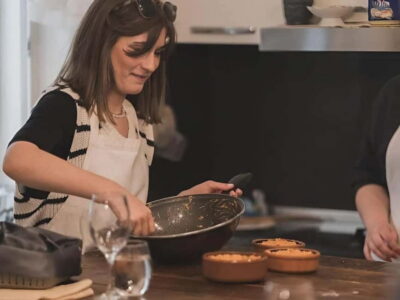
Traditional Cooking Class with Wine & Raki Tasting
Read our review →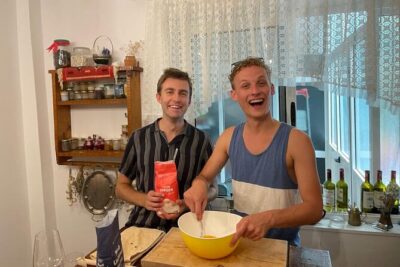
Cooking Classes and Traditional food tasting in Tirana
Read our review →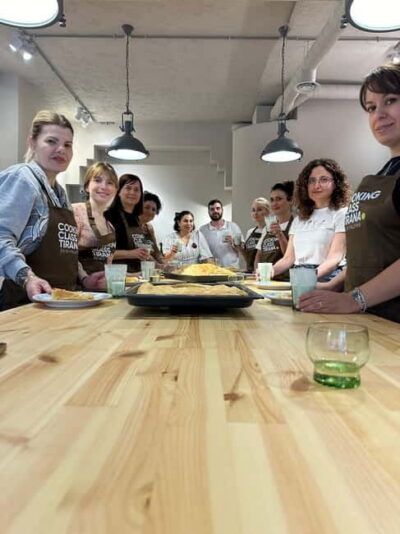
Traditional Albanian Cooking Class in Tirana & Raki Tasting
Read our review →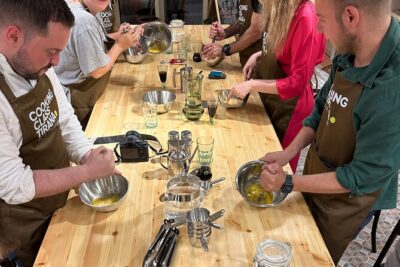
Traditional Albanian Cooking Class in Tirana with Raki Tasting
Read our review →
Berat Cooking Class- Traditional Albanian Cooking Class /By Vato
Read our review →
Savor Albanian Cuisine Cooking Class with Mama Nina Berat Castle
Read our review →
Tirana Cooking Class – Traditional Albanian Recipes
Read our review →Browse the lists this tour appears in