
Reviewed · RAKI TASTINGS & VILLAGE WINERIES
Traditional Albanian Cooking Class in Tirana & Raki Tasting
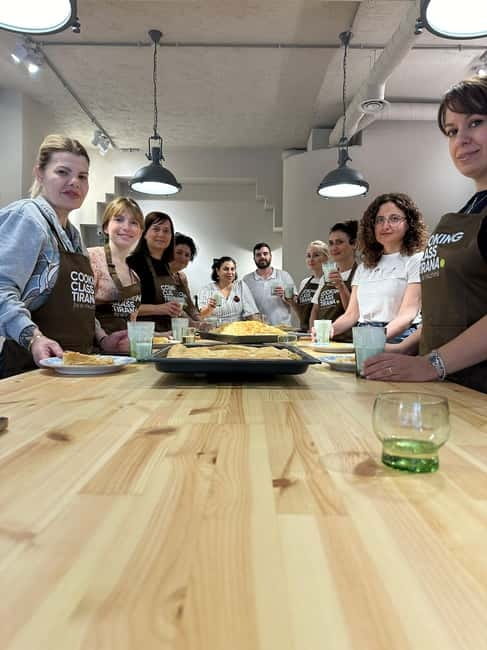
Albanian food gets real fast. In this Tirana cooking class, you roll up your sleeves for hands-on cooking and sip unlimited wine and raki while a chef walks you through traditional recipes. I especially liked learning the step-by-step technique for burek dough and the relaxed, communal way you sit down and actually eat what you made, right after cooking. The one drawback to consider is that alcohol is built into the experience, so go easy if you prefer to keep things non-alcoholic.
What you make is classic and very satisfying: village chicken with pershesh, burek with cottage cheese, and sheqerpare dessert, plus a spread of seasonal meze like olives in oregano, fried peppers, cream cheese, and fresh bread. I also like that they handle dietary restrictions, including vegetarian, vegan, pescatarian, halal, and lactose intolerance, as long as you specify your needs when booking.
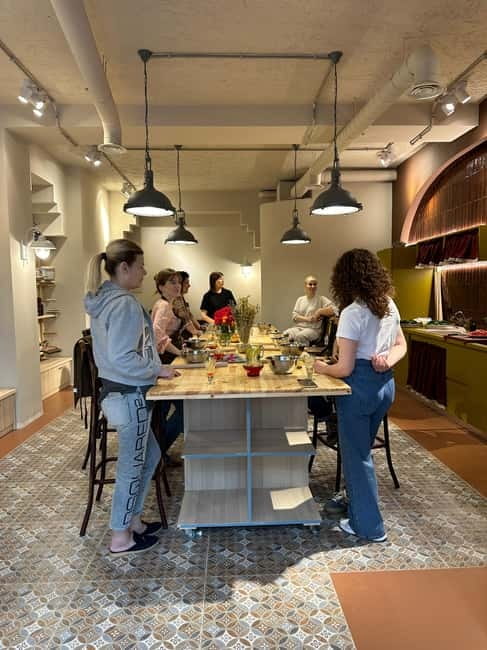
This is taught in English in a cozy, family-style setting, and the vibe is social, warm, and often a little musical. Names that show up in past sessions include Dervis, Marius, and Maris, so you can expect an instructor who shares both practical cooking tips and Albanian food culture.
In This Review
- Key highlights that make this class worth your night
- Tirana cooking class energy: family dinner with a real lesson attached
- Price and what $44 buys you in Albania food reality
- What happens when you arrive: your chef sets the tone fast
- The menu in motion: appetizers first, then pershesh chicken
- Burek dough and the cottage cheese filling, taught step by step
- Sheqerpare dessert and the sweet tastings that close the loop
- Rakia tasting plus unlimited wine: fun factor and the pacing trick
- Communal dinner: the social payoff after the cooking
- Dietary restrictions: how to get the substitutions right
- Timing, pacing, and what to do before class
- Who this Albanian cooking class suits best
- Should you book Traditional Albanian Cooking Class in Tirana?
- FAQ
- What is the duration of the Traditional Albanian Cooking Class in Tirana?
- Where does the experience take place?
- How much does it cost?
- Is the class taught in English?
- Does the class accommodate dietary restrictions?
- What dishes are included in the cooking?
- What drinks are included?
- Are jams and sweets included?
- Is wheelchair accessibility available?
- Is it possible to cancel and get a refund?
Key highlights that make this class worth your night
- Three Albanian recipes plus a full meze table so you are not just watching, you are eating your way through the menu.
- Guided rakia tasting alongside unlimited wine, with plenty of time to slow down and ask questions.
- Hands-on instruction for real technique, especially burek dough rolling and seasoning chicken for pershesh.
- Built for different diets if you tell them in advance, including vegetarian, vegan, halal, and lactose intolerance.
- Dessert and traditional sweet tastings with sheqerpare and jams plus gliko made in Albania.
More Food Tours in Tirana

Tirana cooking class energy: family dinner with a real lesson attached
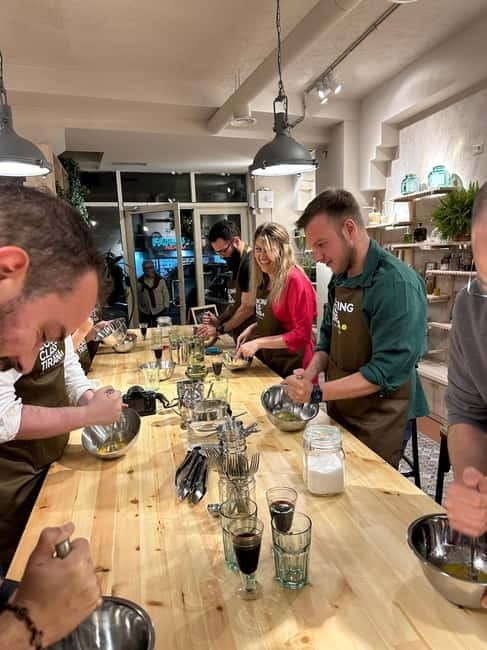
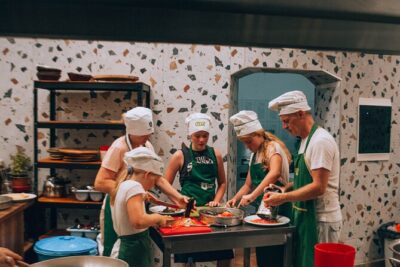
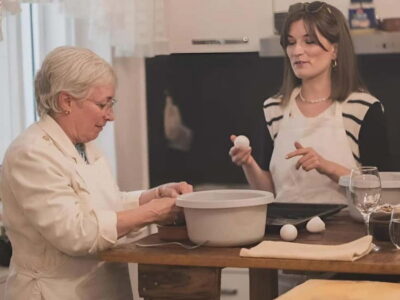
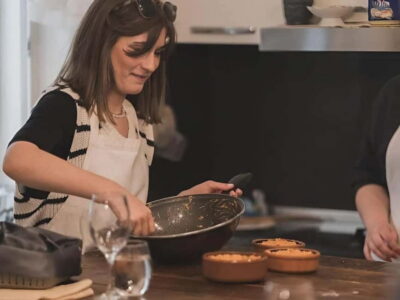
If you want Tirana culture without the museum pacing, this kind of home-style cooking class is a strong move. It is not just about tasting Albanian food. You are actively making it, then sitting down at one table to eat together, share stories, and keep the evening light.
The class is 4 hours, which is a sweet spot. Long enough to learn a few techniques and finish a full meal, short enough that it does not eat your whole day. It also helps that the cooking happens in a cozy atmosphere, where people tend to relax quickly, including solo travelers.
One more thing I like: the experience leans into hospitality. The food is generous, and the pacing usually leaves room for conversation, not just silent cooking. Expect a friendly tone from the chef and a group dynamic that can turn a simple meal into a memorable night, sometimes with music and dancing.
Price and what $44 buys you in Albania food reality
At $44 per person for a 4-hour class, the value is mainly about what is included, not just the cooking component. You get:
- An instructor-led cooking session with step-by-step teaching
- A full meal you helped cook, plus a selection of seasonal appetizers and meze
- Unlimited wine and free water
- A rakia tasting
- Dessert, plus traditional jams and gliko tasting made in Albania
- Fun and entertainment during the experience
Most cooking classes charge for the lesson and maybe a meal. Here, you are getting the lesson plus a whole evening of food, drink, and snacks. If you like wine and want an easy way to try rakia without guessing what to order, this adds up quickly.
The balanced note: if you do not drink alcohol, you might feel like you are paying for parts you will not use. You can still enjoy the food lesson, but you should plan your pace. I also suggest you come hungry, because the amount of food is part of the appeal.
What happens when you arrive: your chef sets the tone fast
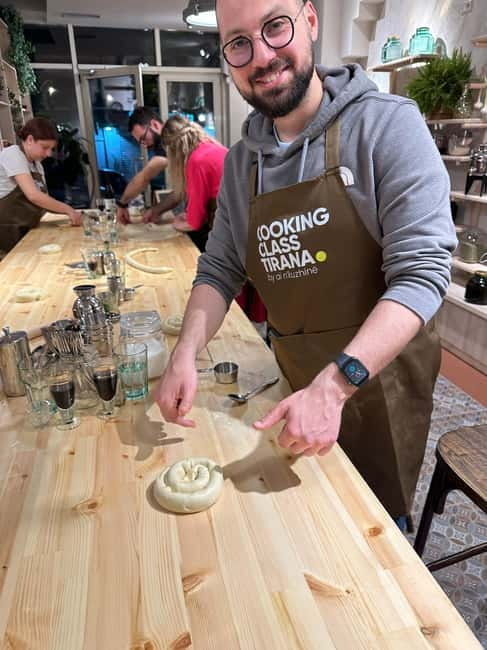
Your evening starts with a warm welcome and a cozy setup. The chef introduces the cooking journey ahead and frames it with local food traditions, especially why fresh ingredients matter in Albanian cooking.
Then you get an overview of the recipes you will cook. This is helpful even if you are a total beginner. You are not just handed tasks. You understand what you are making and what the dish is supposed to taste like.
In past sessions, hosts like Dervis, Marius, and Maris have led the teaching, and the common thread is clear explanations plus humor and a relaxed pace. The instructor teaches in English, so you are not relying on a translation app to get the technique right.
The menu in motion: appetizers first, then pershesh chicken
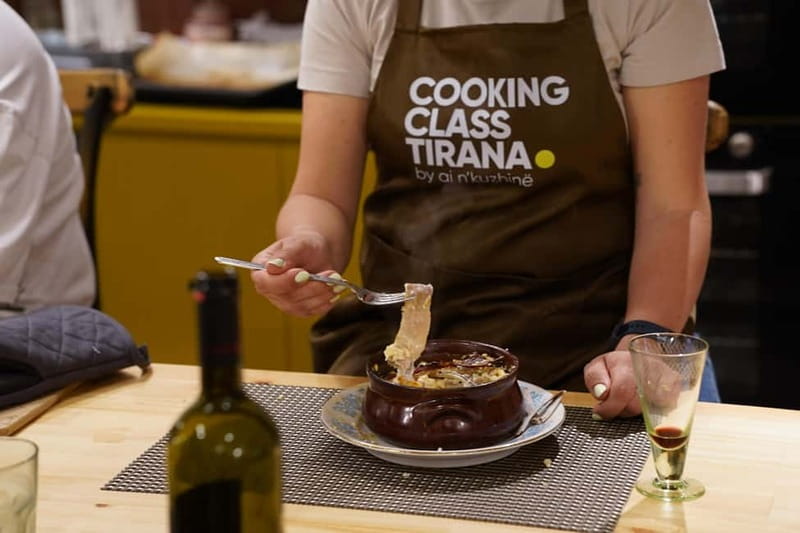
A big reason this class works is that it starts you snacking while you cook. You typically begin with appetizers and breads that set the stage, including:
- Olives in oregano
- Fried peppers
- Cream cheese
- Fresh bread
These are not random filler items. They help you understand the flavor style of Albanian meze, salty, herb-forward, and built for sharing. They also give you a buffer before the heavier cooking steps begin.
After that, you move into the featured dishes. One of the main courses is village chicken with pershesh. The chef guides you through the prep, including proper seasoning. This matters more than people think. In many cuisines, seasoning is what separates a home-style dish from a bland one, and you get taught what to do and when to do it.
If you want to learn efficiently, focus on how the chef handles timing and seasoning, not just copying the steps. The goal is that you leave knowing how to think like a cook, so you can recreate the dishes later.
A few more raki tastings and village wineries:
- Durrës Countryside Vineyard Experience with Wine & Food Pairing
★ 5.0 · 125 reviews - Traditional Albanian Cooking Class in Tirana with Raki Tasting
★ 5.0 · 125 reviews - Durres Countryside Vineyards Wine Tasting & Food Pairing
★ 4.8 · 105 reviews - Tirana Stroll Tour, Walk and Taste Qofte & Raki!
★ 4.8 · 70 reviews
Burek dough and the cottage cheese filling, taught step by step
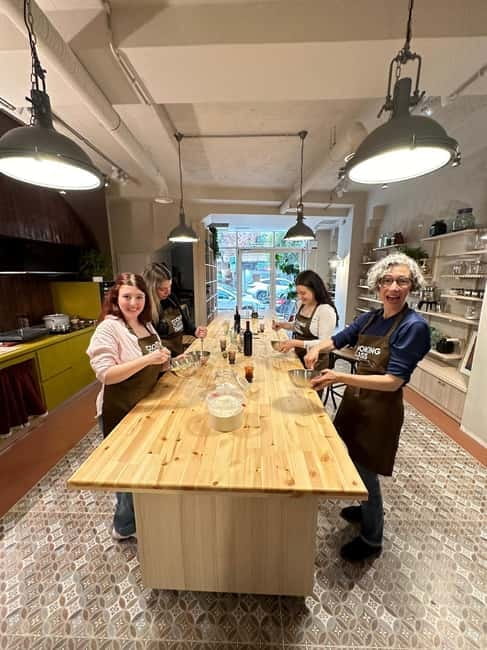
Burek is the Albanian food that turns non-cooks into confident cooks. You will learn the technique of rolling dough and how to form it for a proper burek structure. If you have never worked with dough before, do not worry. The class is designed so everyone can participate, even if you feel nervous at first.
For this session, the burek is made with cottage cheese. What you learn here is not just stuffing. You learn the handling and shaping that keeps burek from turning into a soggy mess.
Practical tip: pay attention to how the chef manages thickness as you roll and how you portion. Small details matter, especially for hand-rolled dough. This is the kind of technique you can repeat at home with confidence because you practiced it instead of just watching someone else do it.
You are also tasting as you go. That feedback loop helps you understand what is working. It makes the class feel less like homework and more like a guided cooking conversation.
Sheqerpare dessert and the sweet tastings that close the loop
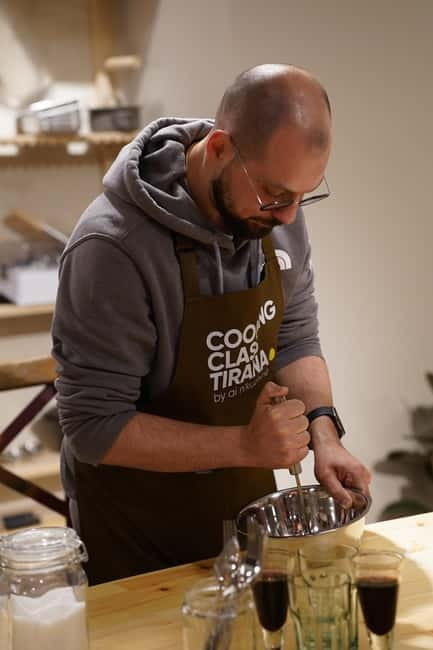
No Albanian cooking experience is complete without dessert, and here you get sheqerpare, a traditional sweet, as one of the hands-on dishes.
After cooking, you also have tastings that go beyond dessert plates. Included are Made in Albania jams and gliko tasting. Gliko can be one of those foods that sounds mysterious until you try it. In this setting, you taste it in context, so it feels like part of the same food culture rather than a random add-on.
This dessert and sweet segment is a smart endcap to the meal. It balances the savory dishes and gives you a clean finish before the evening wraps.
Rakia tasting plus unlimited wine: fun factor and the pacing trick
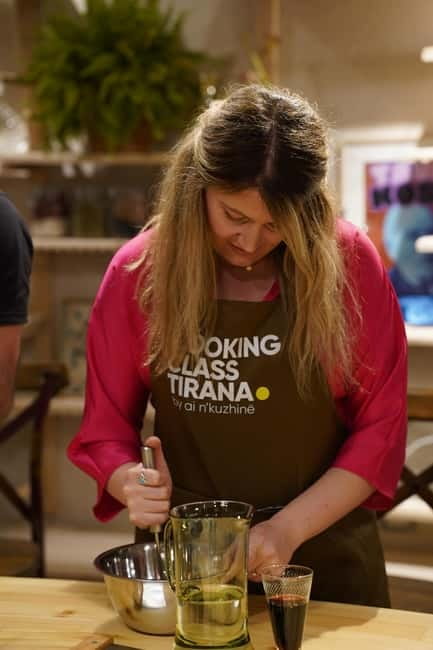
This class includes unlimited homemade wine during the experience, plus a guided rakia tasting. That combination is one of the reasons the evening feels so alive.
If you are the type who enjoys local drinks, you will likely love this part because it is not just free pouring. You get guidance, so you understand what you are tasting. You also get time to ask questions while keeping the group vibe relaxed.
The pacing consideration is real though. With unlimited wine, you can easily speed through the experience. I recommend using a simple rule: drink water between pours and pace your rakia tasting like it is a learning moment, not a contest.
You still get a lot of cooking and eating, so feeling too tipsy can reduce your focus during dough rolling and seasoning. You do not need to avoid alcohol, you just need to stay in control.
Communal dinner: the social payoff after the cooking
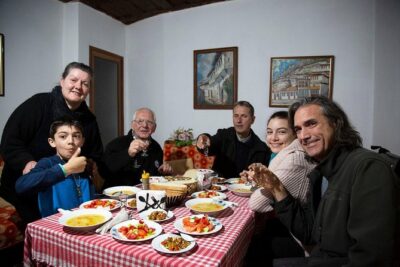
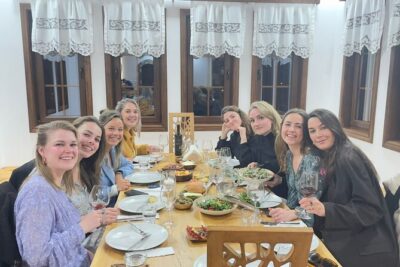
After everything is prepared, you gather around a communal table and eat the feast you made. This is where the experience becomes more than a class.
The dining part is relaxed. You taste the dishes, share stories, and enjoy the sense that you created the meal together. Many sessions also include spontaneous fun, and sometimes dancing comes up as part of the group energy.
If you are traveling solo, this structure helps. You are not sitting in a restaurant with no hook for conversation. Cooking together gives you an easy start, and the meal keeps it going.
A nice practical bonus shown in past experiences: there is often enough food that you can take leftovers home in a bag, reflecting a local-style hospitality where you do not leave empty-handed. Bring a container mindset, even if you do not see one handed to you in advance, because the portion sizes tend to run generous.
Dietary restrictions: how to get the substitutions right
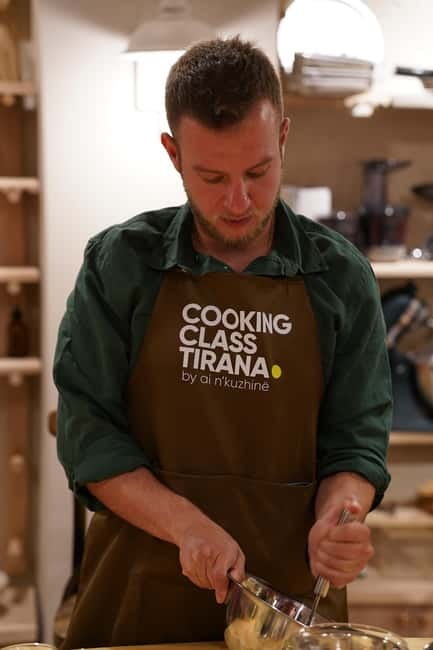
One of the strongest practical points here is that all dietary restrictions can be accommodated as long as you specify them during booking. That includes vegetarian, vegan, pescatarian, halal, and lactose intolerance, among others.
The key is communication. If you want the substitutions to be accurate, list what you avoid and what you can eat. Do not assume the kitchen will guess.
In at least one vegetarian version, the dish that would normally involve chicken was adapted with zucchini instead. That tells me the chef is not just swapping a side dish, they are adjusting the cooking plan to keep the dish recognizable.
So if you have dietary needs, this is a far better choice than a generic tasting where you might end up with only bread and salad.
Timing, pacing, and what to do before class
This is a 4-hour evening activity, so plan your day to avoid rushing. If you schedule something right before, keep it light and finish eating early, because you will have a full meal and lots of snacks during the session.
From what the class setup suggests, the pacing is designed for mixed skill levels. You should still come with realistic expectations: you will learn and participate, but you are not going to become a pastry chef. The goal is to leave with usable technique and a meal you understand.
One more practical note: wear clothes you feel comfortable cooking in. Even though it is a home-style class, dough work and kitchen steps can be messy. Bring a water habit too, since wine and rakia are part of the experience.
Who this Albanian cooking class suits best
This is a great fit if you:
- Want an Albanian food experience in Tirana that goes beyond restaurant eating
- Like hands-on learning, especially for burek and traditional sweets
- Enjoy social evenings where you can meet people during a shared meal
- Want both food and drink without having to plan a bar crawl
- Need dietary accommodations and want them handled through the booking process
It might be less ideal if you:
- Prefer a strictly non-alcohol experience
- Are looking for a silent, low-energy evening
- Want only a light snack rather than a full dinner plus sides
Should you book Traditional Albanian Cooking Class in Tirana?
I think you should book it if you want the best mix of hands-on cooking, Albanian culture, and a filling meal in one stop. The price is strong because it includes not just instruction, but also appetizers, dessert, tastings, and unlimited wine plus rakia.
My decision rule is simple: if you are excited to cook at least a little and you can handle some alcohol, this is a very satisfying way to spend a Tirana evening. If you would rather keep alcohol out of your plans, you can still enjoy the food lesson, but you should be honest with yourself about what you will value most during those four hours.
Either way, do not show up full. Come ready to eat, learn, and enjoy a warm, family-style night built around Albanian food.
FAQ
What is the duration of the Traditional Albanian Cooking Class in Tirana?
The class lasts 4 hours.
Where does the experience take place?
It takes place in the Tirana District, Albania.
How much does it cost?
The price is $44 per person.
Is the class taught in English?
Yes, the instructor teaches in English.
Does the class accommodate dietary restrictions?
Yes. The experience says it can accommodate vegetarian, vegan, pescatarian, halal, lactose intolerance, and other restrictions. You should specify your needs in your booking.
What dishes are included in the cooking?
The sample menu includes village chicken with pershesh, burek with cottage cheese, and sheqerpare (traditional dessert), along with seasonal appetizers and meze.
What drinks are included?
You get unlimited water and wine, plus a guided rakia tasting.
Are jams and sweets included?
Yes. You get a Made in Albania jams and gliko tasting, and the dessert sheqerpare is also included.
Is wheelchair accessibility available?
Yes. The experience is listed as wheelchair accessible.
Is it possible to cancel and get a refund?
Free cancellation is offered up to 24 hours in advance for a full refund.
A Few More Cooking Classes in Tirana
Added to Tirana lately
- Kosovo, Prizren Day Trip from Tirana★ 3.0 · 1 review
- Semi-Private Hiking Tour; Theth,Valbona&Koman Lake in 3 Days★ 5.0 · 1 review
- Private 1 Day Berat Tour from Tirana★ 5.0 · 1 review
- Private 3 Days Adventure in Albania and Gjirokaster County★ 5.0 · 1 review
- From Tirana: Ksamil Islands, Saranda, & Blue Eye Day Trip★ 5.0 · 1 review
- Tirana Airport Private Transfer To City★ 5.0 · 1 review
- Architectural Walking Tour Discovering Tirana’s Modern Identity★ 5.0 · 1 review
- From Shkoder: 3-Day Valbona to Theth Hike Tour All Inclusive★ 5.0 · 1 review
Raki Tastings & Village Wineries, compared.
Traditional Cooking Class with Wine & Raki Tasting
Read our review →
Durrës Countryside Vineyard Experience with Wine & Food Pairing
Read our review →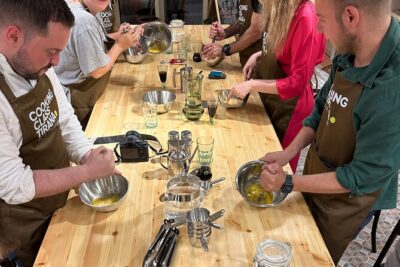
Traditional Albanian Cooking Class in Tirana with Raki Tasting
Read our review →
Durres Countryside Vineyards Wine Tasting & Food Pairing
Read our review →
Tirana Stroll Tour, Walk and Taste Qofte & Raki!
Read our review →
Vineyards, Albanian Wine Tasting & Boat Tour from Tirana/Durres
Read our review →
Berat wine Tour Guided Winery Tour with Transfers and Tastings
Read our review →Browse the lists this tour appears in