
Reviewed · ROZAFA CASTLE & LAKE SKADAR TRIPS
The Best of Shkoder Walking Tour
Shkodra tells stories on every corner. This 2-hour walking tour is interesting because it links major landmarks to the people, beliefs, and conflicts that shaped the city, from the communist period to religious life. I love the pace, five focused stops that are easy to follow, and I like the guide-led storytelling that turns streets and buildings into real context. One drawback to plan for: admission is not included, and the Site of Witness and Memory museum requires a ticket.
You’ll get a local professional guide and a route that feels built for first-time visitors. Expect stops that are compact but meaningful, including churches, a rebuilt mosque, and museum interiors tied to Shkodër’s identity. Since it is a private tour, only your group participates, which usually makes it easier to ask questions and move at a comfortable speed.
In This Review
- Key Things to Know Before You Walk
- A Two-Hour Walk That Gets You Oriented Fast
- Site of Witness and Memory, Shkodër’s Communist-Era Human Story
- Kisha Katolike Franceskane, Franciscan Faith and a Timeline You Can Track
- Ebu Bekr Mosque, Rebuilding a Sacred Place After Destruction
- Marubi National Museum of Photography, When Art Meets Political Pressure
- Shkodër History Museum and the Clock Tower Connection
- Price and Value: What $110.07 Really Covers
- Who Should Book This Shkodër Walking Tour?
- How to Prepare So You Get the Most Out of It
- Should You Book The Best of Shkodër Walking Tour?
Key Things to Know Before You Walk

- A tight 2-hour loop: five stops, each with enough time for context, not just photos
- One paid museum stop: Site of Witness and Memory has an admission ticket you must plan for
- Religious landmarks with big backstories: Franciscan and mosque sites connect to long timelines and political change
- Photography and politics overlap: Marubi Museum traces how photography was shaped by history
- History museum connections: the Shkodër History Museum sits in a major 19th-century building near the Clock Tower
- Mobile ticket and guided pace: you get a mobile ticket and a local guide to keep the walk coherent
A few more Rozafa Castle and Lake Skadar trips:


A Two-Hour Walk That Gets You Oriented Fast
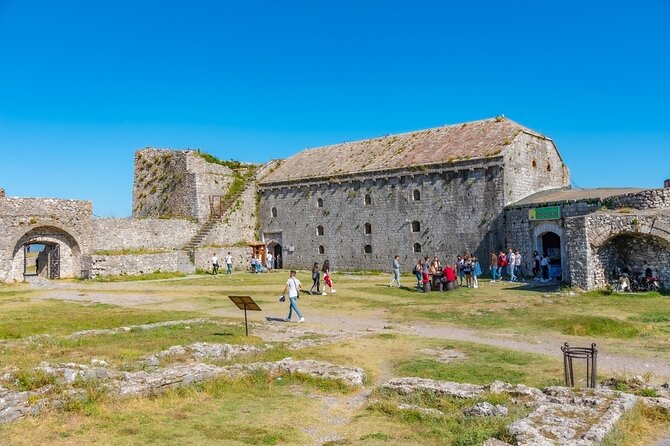
This tour is built around a simple idea: in a compact time window, you should understand what makes Shkodër feel like Shkodër. The route takes about 2 hours and keeps the stops close enough that you are not rushing between them. Each stop is timed at roughly 19 to 21 minutes, which is long enough to hear the story behind the place before you move on.
The practical win here is mental. Shkodër can feel like a city of layers, older than you might expect, and shaped by decades of pressure and change. A guided walk helps you connect what you see with what it means, so you leave with more than a list of landmarks. And because it is a private tour, you avoid the awkwardness of trying to listen over random interruptions.
One more practical note: the tour is designed for most travelers to participate, and the meeting point is on Rruga Gerej in Shkodër, with the tour being near public transportation. That means you can fit it into a day without heavy logistics.
Site of Witness and Memory, Shkodër’s Communist-Era Human Story
Your first major stop is the Site of Witness and Memory, a monument and museum honoring Shkodër victims of the communist government. This is not a generic memorial. It was created in the wake of the Cultural Revolution in 1967, and it tells the tale of people who suffered because of their moral principles and convictions.
Why this stop matters is that it teaches you how to look at the city’s past without turning it into a distant textbook topic. The museum is linked to persecution in a key area, described as the old Dega e Brendshme region, and it was reconstructed with local branches of the Ministry of Interiors involved in that process. Even if you do not read every exhibit detail, the guide’s framing helps you understand the role these sites played in a broader system of control.
Plan for cost here. The admission ticket for this stop is not included in the tour price. That is the only paid admission item mentioned in the tour information, but it can still change your final total, so I recommend budgeting a bit extra if you want to experience this museum fully.
If you prefer your history emotionally honest, this is the place to start. If you are short on time or you want a more relaxed, light-hearted walk, this could feel heavy early on. In that case, just mentally prepare yourself for a serious tone before the route becomes more about architecture and culture.
Kisha Katolike Franceskane, Franciscan Faith and a Timeline You Can Track
Next comes the Franciscan Church of Shkodr, known for being completed in 1905. This stop is a good counterbalance after the memorial museum because it shifts from political suffering to religious construction, leadership, and long planning.
What I like about this stop is how specific the building timeline is. The Assembly of Gjuhadol was created in 1861 by Luigj iurçis, the Franciscan bishop tied to the Roman Catholic Archdiocese of Shkodr-Pult. Then construction of the existing structure began later, with Father Tom Markoci starting work in 1875, and Father Gjan Pier Ferrari consecrating the grounds in 1878.
That sequence gives you a clear way to read the church. Instead of seeing a pretty building, you see a chain of decisions, funding, and ceremony that took decades. A good guide will help you spot what parts of the church relate to that time span, and why that matters in a city like Shkodër, where many things have been rebuilt or reinterpreted over the years.
This stop has free admission, so it is an easy win for value. If you are trying to do Shkodër on a reasonable budget, free church stops like this keep your day from feeling like a constant ticket line.
One consideration: if you are not into church architecture or religious history, you may feel like this is more about context than visuals. Still, the timeline details make it interesting even if you are primarily there for culture and local stories.
Ebu Bekr Mosque, Rebuilding a Sacred Place After Destruction

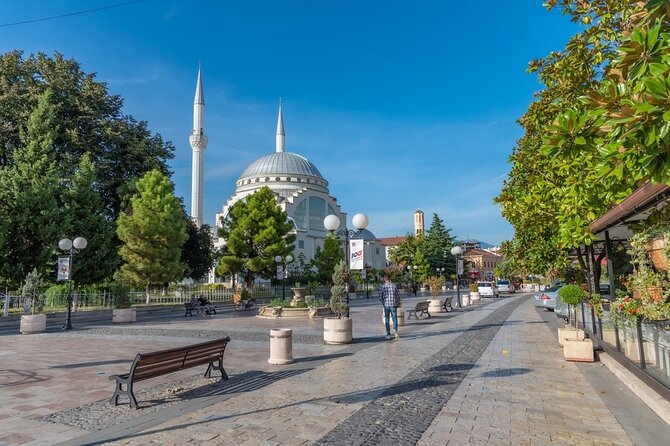
The walk continues to Ebu Bekr Mosque, and this stop has a strong theme of rebuilding. The mosque was built from 1994 to 1995 on the site of an older mosque, the Fushë Çela Mosque, which was destroyed during the communist era.
The mosque’s modern design is credited to ARC Architectural Consultants, and the funding is described as coming from Sheikh Zamil Abdullah Al-Zamil, a Saudi entrepreneur. The mosque is named after Abu Bakr, the first Rashidun caliph, which ties it to a larger Islamic history beyond Shkodër.
Why it is so worth your attention: you get the full arc in a compact stop. You are standing at a site that survived through layers of time, then was broken, then reborn in the 1990s. The inauguration date is listed as 27 October 1995, and the mosque was renovated in 2008. That gives you the sense that religious life here is not frozen in the past, it keeps moving and being maintained.
Admission is free for this stop, so again, it is good value. You also get a chance to notice how contemporary religious architecture sits within the broader city fabric.
If you tend to be sensitive about religious sites, treat this like any place of worship: keep your questions respectful, watch your volume, and follow any guidance from people on site. The tour format should guide you, but your own common sense matters.
More walking tours in Shkoder:
- Shkoder: Local Food Experience and Walking Tour
★ 4.5 · 3 reviews - Shkodër: Local Food Experience & Walking Tour
★ 5.0 · 1 review - Walking Tour of Tirana
★ 5.0 · 646 reviews - Tirana: Express Walking Tour with a Guide
★ 4.8 · 503 reviews
Marubi National Museum of Photography, When Art Meets Political Pressure
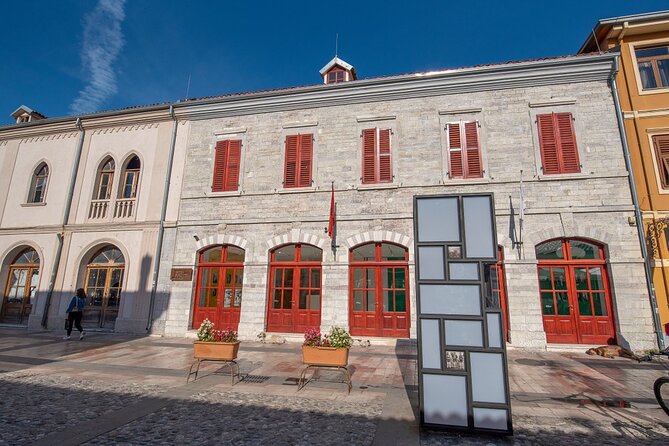
After churches and a rebuilt mosque, you shift into the Marubi National Museum of Photography, often called the Marubi Museum. This stop is especially good if you care about how culture survives, adapts, and gets reshaped by politics.
At the heart of the museum project is the Photo-Studio Marubbi, created in 1856 by Pietro Marubbi, an Italian painter and photographer who moved to and stayed in Shkodër. The story does not stop with one founder. Until the early 1950s, the studio’s activities were controlled and enriched by three generations of photographers.
Then political change enters the picture. In the early 1950s, Geg Marubi was compelled to submit to communist collective anonymity. That phrase matters because it describes more than a personal story. It reflects how the regime affected the identity and public role of artists and archives, even in fields like photography.
What makes this stop valuable on a walking tour is that the museum is not separate from the rest of the day. It is another angle on the same theme you saw earlier: control, memory, rebuilding, and what a city keeps or loses.
Admission is free for this stop, which is a great way to keep the day feeling fair. You are paying for guidance and context, while the museum experience itself does not add another ticket burden.
If you love photos, you are in the right place. If you are not a photography person, the human side of the Marubi story can still hook you, because it is about people working in one city for generations, then being forced into a different reality.
Shkodër History Museum and the Clock Tower Connection
The final museum stop is the Shkodër History Museum, a place that helps you zoom out after the more focused stories of faith and photography. The museum has been open since 1947, originally called the Folk Museum. It took shape in its present form in 1949.
One detail I appreciate is the building itself. It sits in the heart of the city in a huge 19th-century edifice, and its significance is enhanced by the nearby Clock Tower. That matters because Shkodër’s identity is tied to landmark geography. When you finish a walking day with a museum positioned near a major city feature like a Clock Tower, you start to understand how the city organizes itself.
The museum collections were first built thanks to gifts of historic Jesuit and Franciscan conference collections. That adds an extra layer to your walk: you did two religious landmarks earlier, and now the story continues through their collections. It is a nice way to connect institutions that may feel separate when you are just browsing on your own.
Admission is free at this stop, so you can end your tour without worrying about one more ticket. This is also a good last stop because it gives you a broader framework to interpret what you saw earlier. If you leave feeling like you know the city’s themes, not just its buildings, that is the point.
If you get museum fatigue, you might want to focus on the sections your guide highlights rather than trying to read everything. A guided approach is most useful when it tells you what matters most for first-time context.
Price and Value: What $110.07 Really Covers
At about $110.07 per person, this tour is not the cheapest walking option. But value is not only about price. It is about how much guidance you get for your time and how many meaningful stops you can do without planning them yourself.
Here is what you can count on:
- A local professional guide is included, and the stop timing suggests more than casual narration.
- You get a route with five major city anchors in around 2 hours.
- Several stops have free admission, including the Franciscan church, the Ebu Bekr mosque, the Marubi museum, and the Shkodër History Museum.
The main financial variable is that the Site of Witness and Memory museum requires a ticket not included in the tour info. So I think of the base price as paying for guided interpretation, with your only extra likely cost being that one admission.
There are also group discounts mentioned and the tour uses a mobile ticket. Another practical value point: it is a private tour, so the experience is designed around your group rather than being forced into a mass-market rhythm.
If you are traveling with friends or family, private can still feel like good value compared to cobbling together separate tickets and guides for individual sites, especially if you want the stories connecting everything.
Who Should Book This Shkodër Walking Tour?
This tour fits best if you are doing Shkodër for the first time and want a structured way to understand the city’s themes quickly. It is ideal for people who like storytelling, history with a human focus, and a walk that includes more than just scenic views.
You will probably enjoy it most if you:
- Want context for the communist-era memorial site, not just a photo stop
- Like religious architecture when it comes with a clear timeline
- Care about photography or cultural history through the Marubi story
- Appreciate museums that explain how collections and institutions shaped Shkodër
It is also a sensible choice for a short stay. With a duration of about 2 hours, you can slot it into a busy itinerary without sacrificing the rest of your day.
How to Prepare So You Get the Most Out of It
Because most stops are museums or sacred sites, I suggest you show up ready to walk and listen. Wear comfortable shoes you can trust for repeated short segments. Keep your pace calm so you do not end up trying to read details while moving.
Also, plan mentally for tone. The memorial museum is serious. Then the day becomes more about faith, rebuilding, and culture. If you treat it like a single story arc rather than five disconnected stops, you will feel the connections more strongly.
Finally, be ready to ask questions. The private format makes it easier to do that. If your guide points out specific facts, it helps to hear them twice in your own head, once while you listen and again when you look back at the building features or the museum setting.
Should You Book The Best of Shkodër Walking Tour?
I think this is a strong booking if you want a guided, time-efficient way to understand Shkodër’s layered identity. The best part is the combination of themes you cannot easily stitch together on your own: memorial history, Franciscan timeline details, a rebuilt mosque with a clear rebuilding story, and the Marubi photography legacy under political pressure.
Book it if:
- You like guided context and short stops with clear takeaways
- You want a first-timer friendly route that still feels meaningful
- You are okay paying for one museum ticket not included in the tour price
Skip it or switch tactics if:
- You only want light sightseeing and scenery with minimal history
- You prefer to explore museums at your own pace without stop times
If you want a practical way to get oriented and leave with real understanding, this tour is the kind that makes a city feel personal, fast.
Added to Shkoder lately
- Shkodër: Local Food Experience & Walking Tour★ 5.0 · 1 review
- Shala River Shared Minivan And Boat Adventure★ 3.0 · 1 review
- Scenic One Way Journey Shkoder to Valbona★ 5.0 · 1 review
- Unique Albanian Alps Adventure,4×4 Trip from Valbona,Tropoja★ 5.0 · 1 review
- From Komani Dam: Komani Lake & Shala River -BOAT TOUR-★ 5.0 · 1 review
- Thethi National Park One Day Trip★ 5.0 · 1 review
- From Tirana: 2-Day Tour of Theth and Shkoder★ 5.0 · 1 review
- Northen Albania Loop, Theth Valley 4×4 Off Road Day Tour★ 5.0 · 1 review
Rozafa Castle & Lake Skadar Trips, compared.
From Tirana/Shkodra: Komani Lake and Shala River Day Trip
Read our review →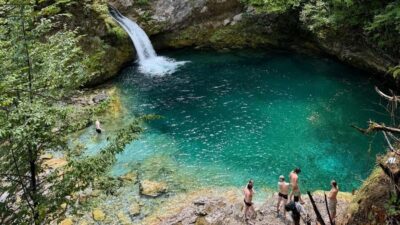
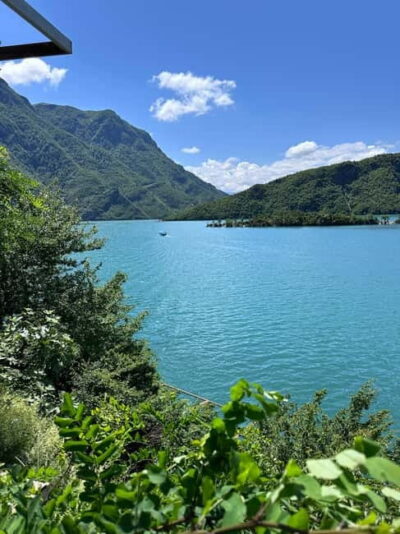
Tirana/Durres/Shkodra: Shala River and Koman Lake Boat Trip
Read our review →
Shala river & Komani lake -Day trip departure from Tirana/Shkodra
Read our review →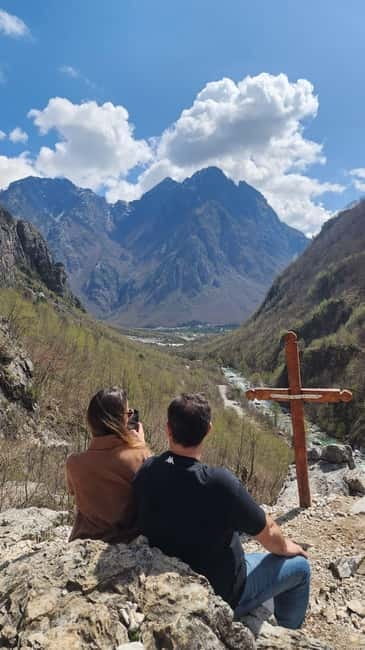

Skadar Lake & Crnojevića River: Swimming, Snacks & Wine
Read our review →
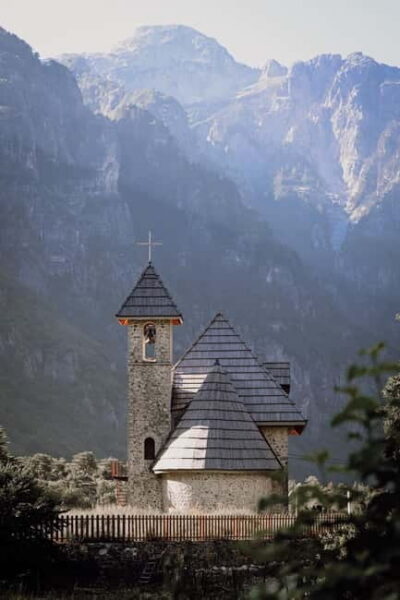
Theth National Park Day Tour from Shkoder with Local Guide
Read our review →Browse the lists this tour appears in