
Reviewed · LAKE OHRID CROSSINGS
Private Tour of Albania, North Macedonia and Kosovo – The Land & the People
Three countries, one road-trip mood. This private tour strings together UNESCO-level sites and story-rich towns across Albania, North Macedonia, and Kosovo, with a big emphasis on people and day-to-day culture. I like the way the route pairs major monuments with actual time in neighborhoods, markets, and fortresses. I also like the human angle, the built-in focus on local tolerance and how different communities coexist in the same regions. The main drawback to plan for is simple: it is a packed trip with long travel days, so expect early starts and a lot of time in the car.
If you want a hands-on experience rather than a rigid sightseeing loop, this tour’s private style matters. You can customize and add activities, and the operator (Go as Local) coordinates directly with you, with Andi listed as the person the reviewer communicated with to set things up. Because it runs with a small max group size (up to 10), you get more flexibility than the usual bus tour, but it still won’t feel slow and relaxed every day.
In This Review
- Key things that make this Balkans route work
- The private feel, with pickup and customization that actually matter
- Where the route really shines: UNESCO plus real neighborhood time
- Day 1 in Albania: Durres Roman Amphitheater to Berat’s Ottoman neighborhoods
- Day 2: Zverneci Monastery, then Vlore and the Albanian Riviera
- Day 3: Butrint and Ksamil, then Gjirokaster’s stone-city spell
- Day 4: Permet on the Vjosa river, plus the winding road toward Voskopoja
- Day 5: Korca’s bazaar, Pustec by Prespa, then Bitola in North Macedonia
- Day 6: Heraclea Lyncestis and Ohrid, from ancient stones to church views
- Day 7: Skopje, a capital day with heritage pride
- Day 8: Matka Canyon monasteries and then Pristina’s Yugoslav, Ottoman, and modern mix
- Day 9: Kosovo UNESCO Orthodox monasteries, plus Gjakova’s quick stop
- Day 10: Prizren history and Kruja resistance, then return to Tirana
- What you pay and what you actually get for $1,729.60 per person
- Who this tour suits best, and who might feel rushed
- Should you book this Balkans tour?
- FAQ
- How long is the tour?
- Where does the tour start and end?
- What countries does the tour cover?
- How much does it cost per person?
- Is pickup offered?
- What time does the tour start?
- What is the group size limit?
- Is a mobile ticket used?
- When do I get confirmation after booking?
- What is the cancellation cutoff?
Key things that make this Balkans route work
- UNESCO sites on a practical route: Butrint, Ohrid, and major Kosovo monasteries are grouped efficiently.
- Fortresses and old stone towns: Berat, Gjirokastra, Ohrid, Prizren, and Kruja are built for walking views.
- Coastal and lake scenery: Durres, the Albanian Riviera, Ksamil, Prespa area, and Ohrid Lake give you variety.
- Community and coexistence theme: You spend time where Albanians, Macedonians, Aromanians, and others have lived side by side.
- Small-group private feel: Up to 10 travelers, plus pickup offered, and you can customize activities.
More Private Tours in Tirana
The private feel, with pickup and customization that actually matter
This tour is described as private, with a maximum of 10 travelers. That small size is what helps the experience feel less like a stamp-collecting day and more like a guided route you can adapt.
Pickup is offered, and the tour uses a mobile ticket, so you are not juggling paper vouchers on the move. It also starts with a defined meeting point time (7:00 am), and then day one departure is set for 09:00 from Tirana. That structure is useful when you are trying to coordinate flights, hotels, and jet lag.
What you should keep in mind is that “private” here does not mean you will have no group at all. Still, with up to 10 people, you can usually ask questions, move at a comfortable walking pace, and adjust timing without derailing the whole day.
Where the route really shines: UNESCO plus real neighborhood time
A big part of why this itinerary feels satisfying is the mix of “big-ticket” heritage with street-level time. You are not only going for one museum stop. You are also seeing how the towns work, where people eat, shop, and gather.
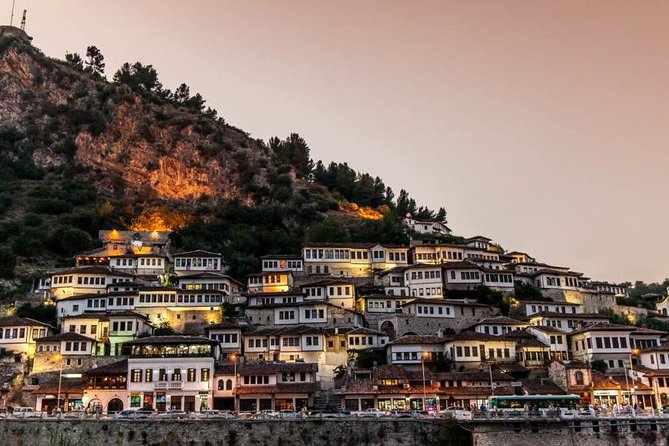
For example, the route includes Ottoman-era city layers in Berat and the fortress-and-church atmosphere of Ohrid. Then it shifts to UNESCO archeology in Butrint, and to UNESCO Serbian Orthodox monasteries in Kosovo, including Gracanica and Decan. The result is a trip that is historical, but not stuck in a photo-only mode.
If you love understanding a place through architecture and daily life, this blend is a strong match. If you prefer only one or two major stops per day, you may find the schedule full. You can still customize, but the overall rhythm stays “hit the musts” across three countries.
Day 1 in Albania: Durres Roman Amphitheater to Berat’s Ottoman neighborhoods
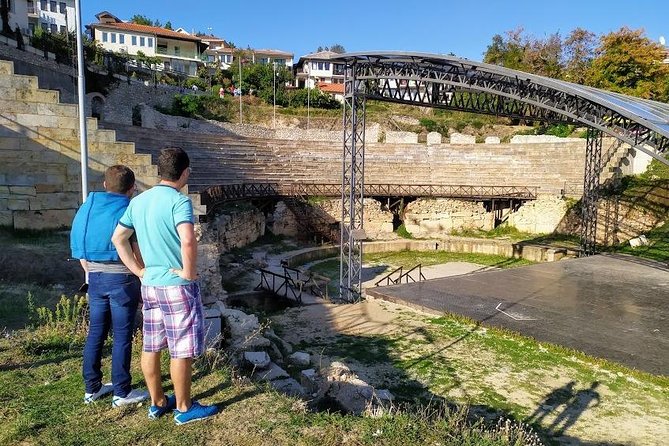
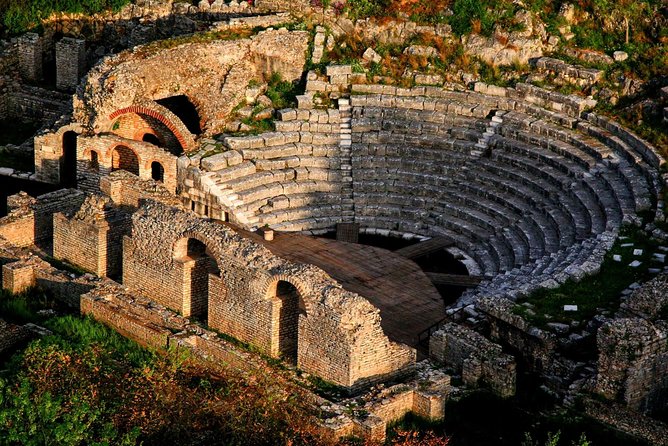
Day one starts with Durres, a city that the tour frames as an Open Book of History. You begin with a city tour and a stop at the Roman Amphitheater. It is listed as one of the biggest in the Balkans, with 20,000 seats, and the admission is included. That is the kind of stop where you feel why Roman cities built big, permanent stages for public life.
Durres also includes a Medieval Market visit. That’s a smart add, because it shifts the day from ruins to people. You get to watch how commerce and daily rhythm continue long after the ancient stones stopped being stage sets.
Then you head to Berat, a UNESCO-listed Ottoman-style city. The tour focuses on Berat’s three neighborhoods: Kala, Mangalem, and Gorica. This is a key concept for travelers: Berat is not only one viewpoint. It is a whole city structure shaped by different parts living side by side on steep terrain.
You also visit the National Iconographic Museum Onufri, including the Orthodox monastery area and the Dormitory of Saint Mary, plus the Onufri iconography museum. The tour then includes Berat Castle with a guided tour. For value, this is well paced: you see an icon museum, then you go up into the place where the city’s defenses and storytelling lived.
Possible drawback for this day: it is a lot of transitions. You start with a Roman site, then go Ottoman, then go fortress. If you hate changing cities in the middle of the day, build in extra breaks for tea or water.
Day 2: Zverneci Monastery, then Vlore and the Albanian Riviera
After Berat, the route stops at Zverneci Monastery (St. Mary’s Monastery). It is Byzantine-style and reached via a bridge over salty water by Narta Lagoon. This is the kind of detail that makes a stop feel like a place, not a checkpoint.
The monastery stop is listed with included admission. Even if you are not a hardcore church architecture person, the setting is the point. You get the sense of why monasteries liked specific water edges: quiet, defensible, and visually memorable.
Next comes Vlore, described as the City of Albanian Independence. You get a short city tour, then drive along the Albanian Riviera. The tour includes time along the coast with free time, plus visits in typical villages and local restaurants to learn the local culture and heritage.
This coastal day is a good breathing moment because it mixes driving views with time you can actually choose how to use. If you want a beach hour, this is where you can lean into it. If you want street food and a slow stroll instead, you can do that too.
One practical consideration: coastal drives can eat time. Build your expectations around “scenery first,” then “shopping or swimming second.”
A few more Prizren and Kosovo border trips:
- Day Tour of Kosovo from Tirana, Pristina and Prizren
★ 5.0 · 93 reviews - From Tirana/Durres/Golem: Prizren and Prishtina Full-Day Tour
★ 5.0 · 67 reviews - Best of Kosovo Day Tour – Pristina & Prizren from Tirana & Durres
★ 5.0 · 66 reviews - Prizren, Kosovo Day tour from Tirana
★ 5.0 · 52 reviews
Day 3: Butrint and Ksamil, then Gjirokaster’s stone-city spell
Day three is two different flavors of Southern Albania.
First, you go to Butrint National Park, part of UNESCO World Heritage and described as the most important archeological site in Albania. It is presented as an ancient Greek and later Roman city and bishopric in Epirus with prehistoric occupation too. Admission is included.
You also add the pretty island area of Ksamil. That pairing works because Butrint gives you the heavy context, while Ksamil gives you a visual reset. You can look at the ruins, then go see water and open sky. That contrast keeps the day from feeling like work.
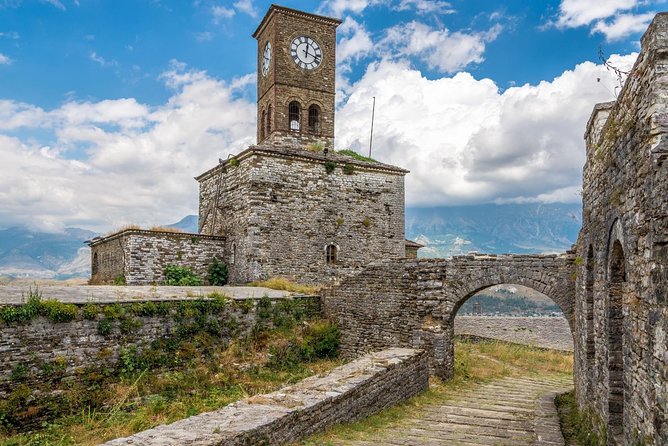
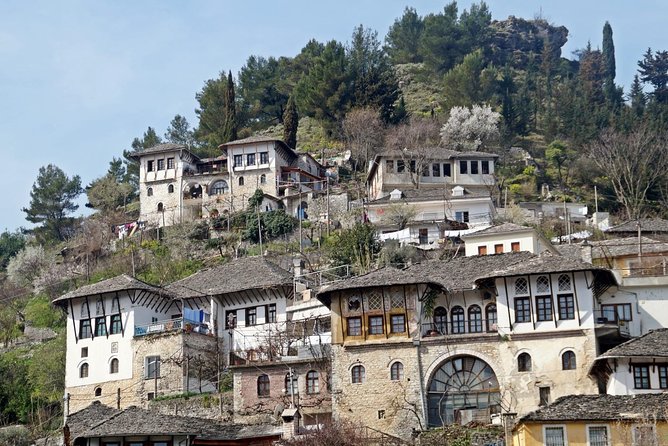
Then the route moves to Gjirokaster, a medieval stone city. The tour mentions the fortress-style houses and cobblestone paths connecting them. There is also a guided visit inside Gjirokaster Castle, with included admission.
Why this matters for you: stone cities can be hard to appreciate if you only rush through them. A guided castle visit helps connect what you see at street level with why the town was built like a defense system.
Possible drawback: both Butrint and Gjirokaster can involve walking on uneven surfaces. If you have ankle issues, bring shoes you trust.
Day 4: Permet on the Vjosa river, plus the winding road toward Voskopoja
Day four is where the tour shifts from famous sites to regional character.
You start with Permet, along the Vjosa River. The tour calls the Vjosa one of the few wild rivers in Europe. Permet itself is framed as a center of slow food and local gastronomy. That is a great pairing, because you are not only sightseeing. You are in a food-and-place region.
Then you take a windy, bumpy road toward Voskopoja. That detail signals one thing: expect a slower, more winding travel day. The reward is that mountain towns like Voskopoja often feel less touristy and more lived-in.
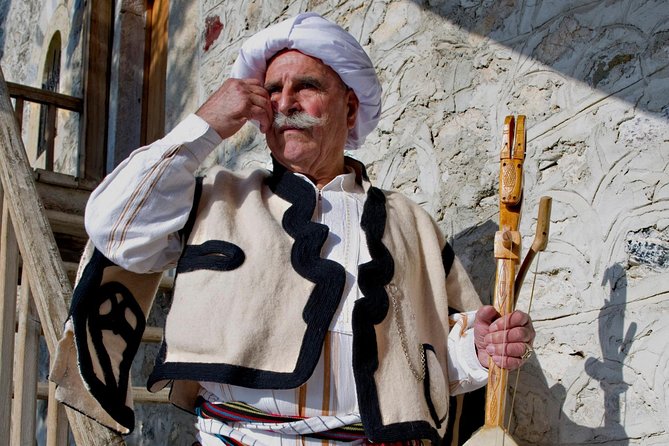
In Voskopoja, the tour highlights that it was a major 18th-century center of Aromanians in the Balkans. It also notes the Ottoman Empire’s second book press was located there. The tour adds a historical idea of a large population with different ethnicities living in harmony.
Why this is valuable: learning about Aromanians is not usually on the standard Balkans checklist. This route makes that cultural layer part of your story, not a side note.
Day 5: Korca’s bazaar, Pustec by Prespa, then Bitola in North Macedonia
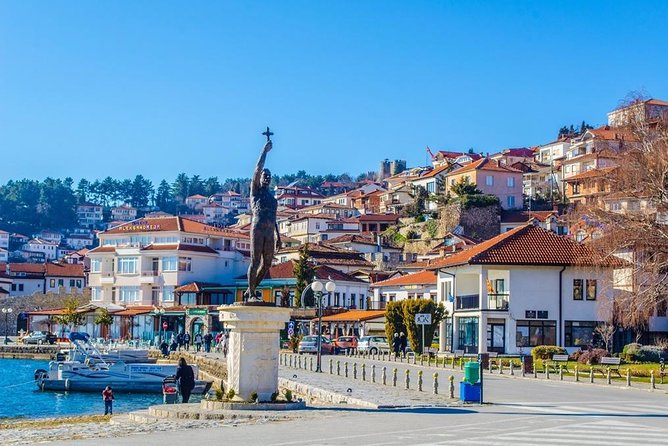
Day five brings you to Korca, the biggest city in Albania’s southeast and described as a cultural center with the first Albanian school. You visit the renovated Bazaar in Korca. A bazaar visit is a strong travel tool because it tells you what locals actually buy, and it sets up good lunch conversations.
Then you go to Pustec, in the southeast near Prespa Lake. The tour emphasizes the Macedonian community here and describes Pustec as small, surrounded by nature, and not very touristy or commercial. Admission is listed as free for this stop, and the time is short enough that you can focus on feel and flavor rather than ticking every box.
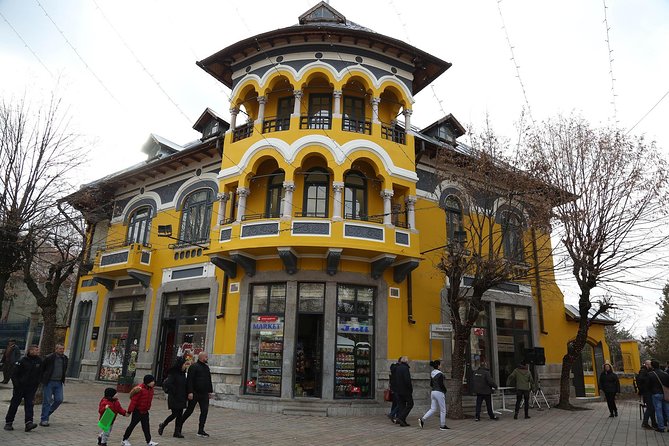
Next is Bitola, a historical city with unique architecture and a wide pedestrian boulevard. You also get a city tour. This is a smart move because it transitions you from lake area culture into a bigger North Macedonian urban setting.
Potential drawback to keep in mind: this day covers multiple stops across different micro-regions. If you are the type who needs a full afternoon to unwind, consider using customization to remove one village visit or shorten a walking-heavy segment.
Day 6: Heraclea Lyncestis and Ohrid, from ancient stones to church views
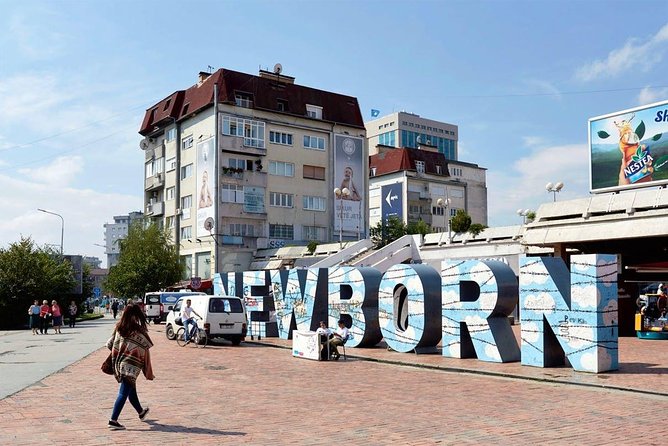
North Macedonia’s day starts with Heraclea Lyncestis, an archeological site founded in the 4th century BC by Philip II, father of Alexander the Great. That is a major ancient anchor for the region. Admission is listed as included.
Then the route continues to Ohrid, which the tour calls likely the most picturesque city in North Macedonia. The “Jerusalem of the Balkans” framing matches the mix of history, culture, and religion you get around the lake.
You tour Ohrid and visit Samuil Fortress, St Sofia Church, and the Old Greek Theater in the old neighborhood. You also explore the local market and city center in the lower part of town. Admission is listed as free for the city tour segments, while the later fortress segment includes a short visit to Tsar Samuel’s Fortress with included admission.
For your planning: Ohrid is built on a slope with classic old-town walking. If your itinerary includes museum fatigue, this is where you should take a longer rest break and pick one or two viewpoints to return to later.
Overnight is in Ohrid, which is helpful. You are not constantly packing right after the best views.
Day 7: Skopje, a capital day with heritage pride
On day seven you head from Ohrid to Skopje, the capital. You get a city tour with time to take in the blend of heritage signals and modern capital energy. The tour frames Skopje as a place with clear North Macedonian pride for culture and heritage.
Skopje is also where the architecture mix matters. The next day you will see a canyon park, but here you are learning how a capital communicates identity. The tour includes overnight in Skopje.
Practical tip: capitals can feel like they require more stamina than old towns. If you get museum overload easily, plan for one longer walk rather than too many short stops.
Day 8: Matka Canyon monasteries and then Pristina’s Yugoslav, Ottoman, and modern mix
Day eight starts at Matka Canyon, in the Grand Park of Matka Lake. The tour describes Matka as not only nature, but also a place known for canyons and medieval Orthodox monasteries. You have free time in the canyons, with admission listed as included.
Matka is one of those days where you benefit from simple goals: pick a viewpoint, take your time, and do not try to “win” the park with constant movement. The free time is what makes it feel humane inside a longer itinerary.
Then you cross the border and go to Pristina, Kosovo’s capital. You get visits in the city and it is described as having a strong former Yugoslav feel, along with a blend of Ottoman-style buildings from the 18th century, Cold Brutalism, and modernity.
That blend is the point. If you like comparing time periods in the same street view, Pristina is a great fit. Day eight also ends with you spending time in Pristina, and the tour keeps moving forward the next morning.
Day 9: Kosovo UNESCO Orthodox monasteries, plus Gjakova’s quick stop
Day nine is dedicated to Orthodox heritage with UNESCO-listed monasteries.
First is Gracanica Monastery in the Serbian community of Gracanica, with included admission. Then you go to Decan monastery, also UNESCO and connected to the same dynasty and school of architecture as the Gracanica tradition, with the listed admission status showing as free for that stop.
You then include a short visit to Gjakova, for about two hours. Even as a “short stop,” Gjakova gives you a sense of Kosovo life beyond the monasteries.
One consideration: religious architecture visits can be spiritually quiet, but they can also feel repetitive if you have just seen several churches in previous days. To keep it fresh, focus on how each monastery setting differs in terrain and approach.
Day 10: Prizren history and Kruja resistance, then return to Tirana
The final day starts in Prizren, called Kosovo’s cultural capital. It sits on both sides of the Bistrica River under Prizren’s Castle. The tour highlights Prizren’s role in Albanian history and politics in the 19th century.
You visit the House of the Prizren League, described as one of the most important 19th-century buildings in Albanian history. You also visit the Ethnographic Museum inside the House of the League. Then you visit Prizren Fortress and do a city tour.
After Prizren, you go to Kruja for a short medieval city stop. Kruja is framed as a 15th-century stronghold of Albanian resistance against the Ottoman Empire led by Skenderbeu. You visit the traditional bazaar and the Historical Museum of Skenderbeu. The tour ends with a return to Tirana.
The timing here is excellent for closure. By day ten you have seen Ottoman layers, Roman stones, medieval castles, and Orthodox monasteries. Then you finish with Albanian resistance history and bazaar life, which ties back into the tour’s people-and-identity focus.
What you pay and what you actually get for $1,729.60 per person
At $1,729.60 per person, this is not a budget-only trip. You are paying for three countries, guided visits across major heritage sites, included admissions for several key stops, and the private-style coordination that helps you keep moving efficiently.
Your value signals include:
- Included admission at big anchors like the Roman Amphitheater in Durres, Berat Castle and Onufri’s museum area, Butrint, Gjirokaster Castle, Heraclea Lyncestis, and Matka Canyon, plus UNESCO monasteries like Gracanica and the fortress views in Ohrid.
- Pickup offered and a defined start structure from Tirana.
- Small-group max size (10), which helps customization feel realistic.
Where the price can feel heavy is if you are the type who will customize by removing many guided stops. Since the route is built around “must” visits, the overall structure matters to the cost.
If you want a smart use of vacation time across Albania, North Macedonia, and Kosovo, this price can make sense. If you prefer slow travel and only one country per trip, you might get more comfort by splitting it into separate regional journeys.
Who this tour suits best, and who might feel rushed
This is a strong fit if you:
- Want one organized route covering major Albania, North Macedonia, and Kosovo highlights.
- Like guided context for castles, monasteries, and archeology sites.
- Enjoy variety, from coast to canyon to lake cities.
You might feel rushed if you:
- Hate long drives and prefer fewer city changes.
- Want long beach downtime every day.
- Prefer fully independent travel with no fixed structure.
A practical approach: if you can, choose footwear that handles uneven stone and stairs. Bring a light layer for monastery areas, which can feel cooler and windier than you expect.
Should you book this Balkans tour?
I think you should book it if you want a well-connected route through Albania, North Macedonia, and Kosovo that explains place through both monuments and neighborhoods. The UNESCO mix plus the theme of local coexistence is a smart way to understand the region without turning it into only a photo tour.
I would hold off if you are looking for slow pacing, deep lounging, or a trip where most days are free-form. This one keeps the pressure on, in a good way for people who like structure.
If you do book, use the private customization option early. If there is one day that feels too tight, adjust it before you land in Albania.
FAQ
How long is the tour?
The tour is listed as 10 days (approx.).
Where does the tour start and end?
It starts in Tirana, Albania, and it ends back in Tirana.
What countries does the tour cover?
It covers Albania, North Macedonia, and Kosovo.
How much does it cost per person?
The price is $1,729.60 per person.
Is pickup offered?
Yes, pickup is offered.
What time does the tour start?
The meeting point start time is 7:00 am, and day one departure from Tirana is listed for 09:00.
What is the group size limit?
The tour has a maximum of 10 travelers.
Is a mobile ticket used?
Yes, the tour includes a mobile ticket.
When do I get confirmation after booking?
Confirmation is received within 48 hours of booking, subject to availability.
What is the cancellation cutoff?
Free cancellation is available, and you must cancel at least 24 hours before the experience’s start time for a full refund.
A Few More Lake Ohrid Crossings
Added to Tirana lately
- Semi-Private Hiking Tour; Theth,Valbona&Koman Lake in 3 Days★ 5.0 · 1 review
- Kosovo, Prizren Day Trip from Tirana★ 3.0 · 1 review
- Private 1 Day Berat Tour from Tirana★ 5.0 · 1 review
- Private 3 Days Adventure in Albania and Gjirokaster County★ 5.0 · 1 review
- From Tirana: Ksamil Islands, Saranda, & Blue Eye Day Trip★ 5.0 · 1 review
- Tirana Airport Private Transfer To City★ 5.0 · 1 review
- Architectural Walking Tour Discovering Tirana’s Modern Identity★ 5.0 · 1 review
- From Shkoder: 3-Day Valbona to Theth Hike Tour All Inclusive★ 5.0 · 1 review
Lake Ohrid Crossings, compared.
Semi-Private Tour of North Macedonia: Ohrid & Struga from Tirana
Read our review →
North Macedonia: Ohrid & Saint Naum Day Tour from Tirana
Read our review →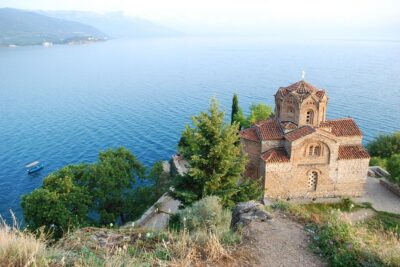
Private Ohrid Day Tour and Authentic Village from Tirana & Durres
Read our review →
Day tour of Ohrid & St. Naum, N Macedonia from Tirana
Read our review →
2 Day Tour of North Macedonia & Kosovo from Tirana
Read our review →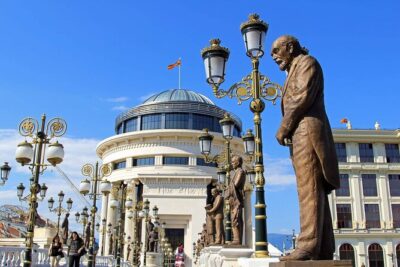
Private Day Tour of Skopje and North Macedonia from Tirana
Read our review →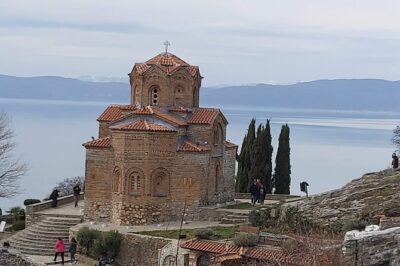
Private Full-Day Historical Day Tour in North Macedonia and Albania
Read our review →Browse the lists this tour appears in