
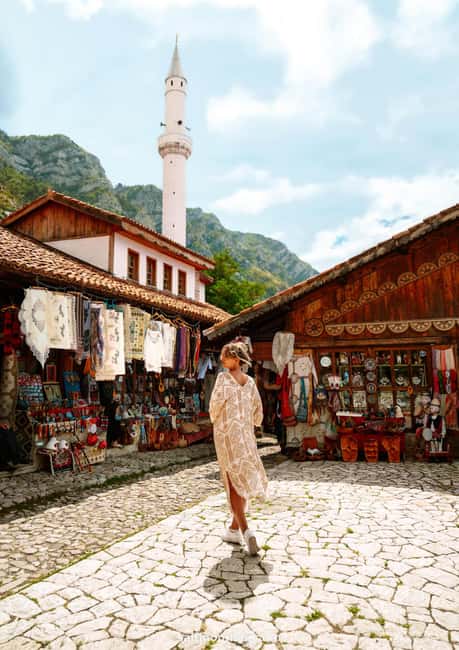
Reviewed · KRUJA CASTLE & SKANDERBEG BAZAAR TRIPS
From Durres & Golem: Kruja Castle, Old Bazaar
Kruja packs a lot into six hours. You get the Skanderbeg Museum story of Albania’s resistance, then time to browse Old Bazaar handcrafts with a proper guide like Helena. The main thing to plan for is extra sightseeing tickets and the fact that you are walking on cobblestones.
I like that the trip feels easy to manage from Durres and Golem: hotel or meeting-point pickup, about one hour by car to Kruja, and air-conditioned transport for the ride back. Once there, you are not just dropped off, you are guided through the castle area and museum, which makes the place click faster.
Inside the castle, the Iconostasis at the Onufri Museum is the kind of carved detail you remember later, not just a quick stop. And if you add the Ethnographic Museum ticket, you get a look at Ottoman-era domestic life in a renovated old residence, not only monuments.
In This Review
- Key highlights that make this tour worth your time
- Kruja from Durres and Golem: smooth logistics for a half-day that actually works
- Skanderbeg Museum and Kruja Castle: where the resistance story gets concrete
- Onufri Museum inside the castle: the Iconostasis worth slowing down for
- Ethnographic Museum in an Ottoman-era residence: everyday life, not only heroes
- The Old Bazaar: where your shopping has a story behind it
- Cave and temple warnings: respectful context, and how to handle it
- Walking, shoes, and toilets: small stuff that makes or breaks the day
- Price and value: what you really get for $27
- What guides do well here, and what it feels like on the ground
- Who this tour fits best, and who should consider another plan
- Should you book this Kruja Castle and Old Bazaar tour?
- FAQ
- What is the duration of the Kruja Castle, Old Bazaar tour from Durres and Golem?
- How much does the tour cost?
- Is hotel pickup and drop-off included?
- What does the tour include?
- Is food included in the price?
- Do I need to pay extra for the Ethnographic Museum?
- What should I bring, and is there anything I should avoid?
Key highlights that make this tour worth your time
- Skanderbeg artifacts in the castle: You see items tied to Albania’s national hero, plus uniforms, flags, and family connections explained by your guide.
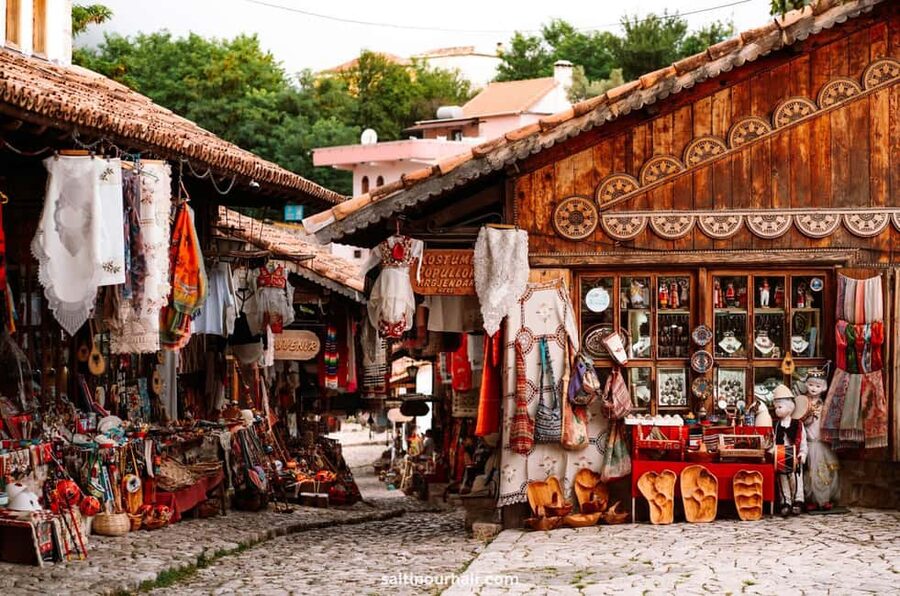
- Castle plus Old Bazaar in one loop: History first, then shopping for crafts made by local artists.
- Onufri Museum Iconostasis: Watch for the ornate carved work inside the castle complex.
- Ethnographic Museum option with a separate ticket: Recently renovated, housed in an Ottoman-era residence.
- English-speaking guide with real enthusiasm: Names you might hear include Helena, Aurel, and Dion in different departures.
- Plan for careful walking and basic comfort needs: Cobblestones can be slippery, and toilets near coach stops are not always a joy.
A few more Kruja Castle and bazaar trips:
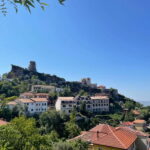
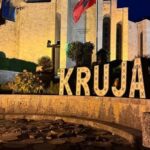
Kruja from Durres and Golem: smooth logistics for a half-day that actually works
If you are basing yourself in Durres or Golem, Kruja can be a little awkward to organize on your own. This tour fixes that with straightforward pickup and drop-off, plus a single guided day that bundles the main sights into about six hours total.
You start by meeting at your hotel or a nearby spot where the vehicle can enter. Then you drive roughly one hour to Kruja. I like this timing because you still get daylight for photos and shopping, without ending the day exhausted. The ride is done in an air-conditioned car or van, which matters when the coast is hot.
Back in Kruja, the day is built around guided time inside the castle and the Skanderbeg Museum, so you are not wandering and hoping someone explains what you are looking at. That guidance is the difference between collecting random views and understanding why the place mattered in the 15th century.
Practical note: the tour is weather-dependent. If conditions are bad, the day may be rescheduled or canceled with a full refund. That is the kind of flexibility you want for a short trip.
Skanderbeg Museum and Kruja Castle: where the resistance story gets concrete
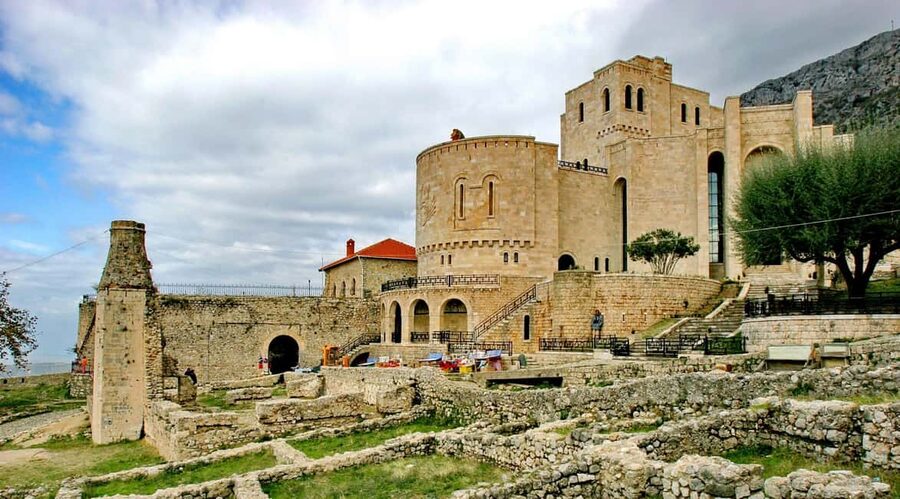
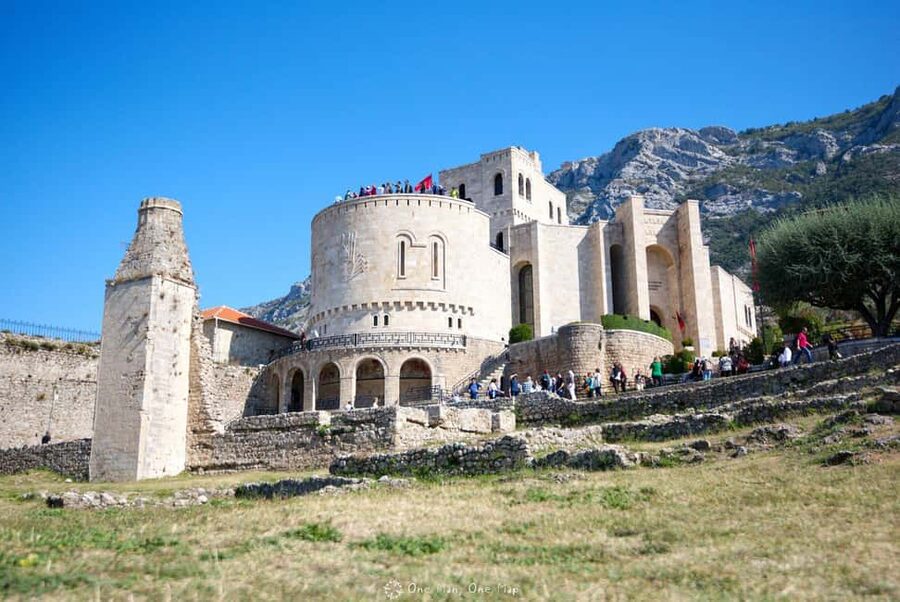
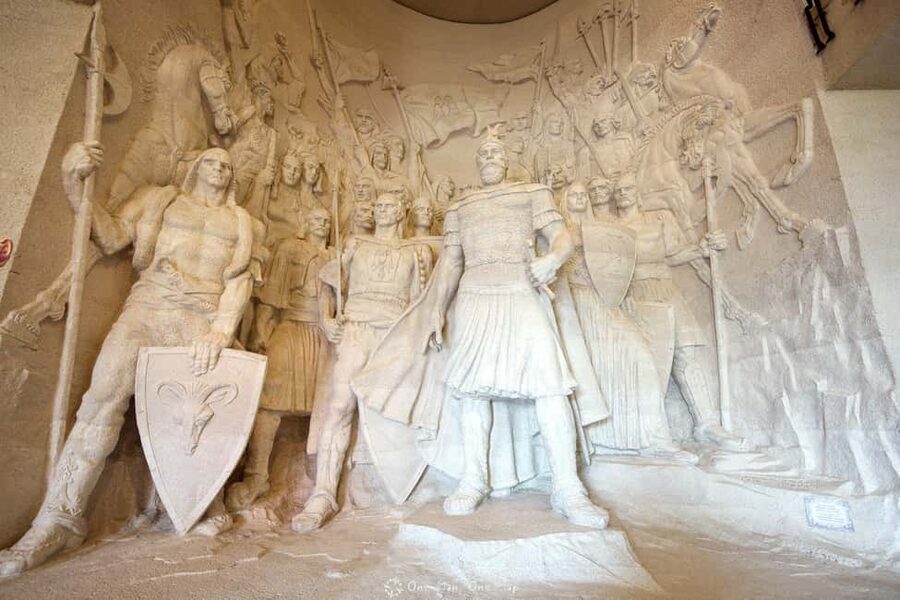
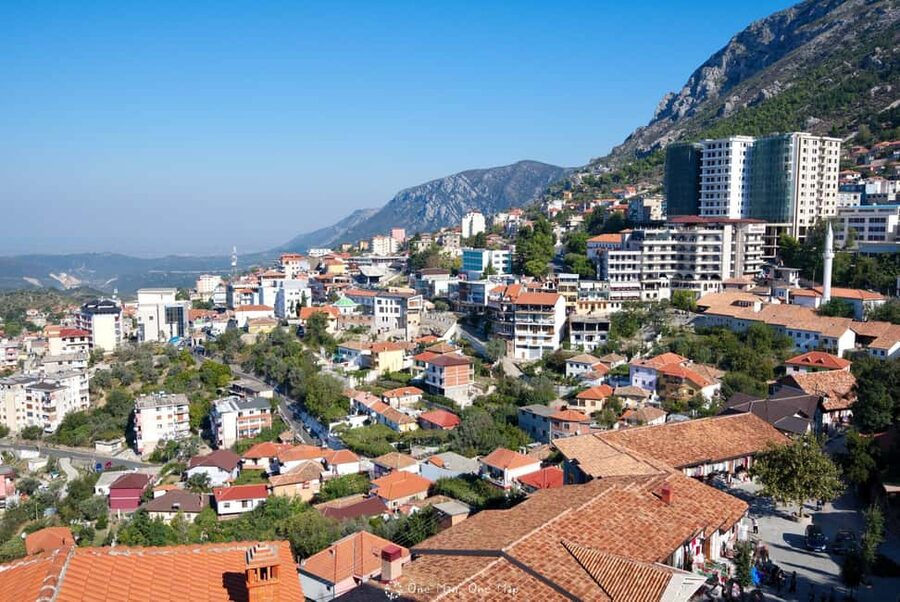
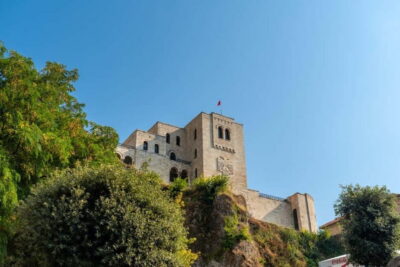
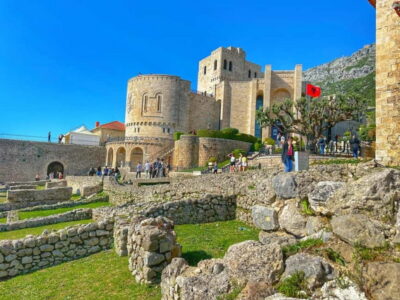
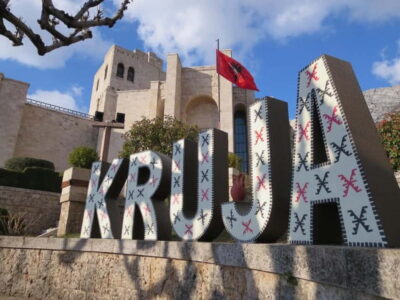
Kruja Castle is the anchor of the day. You head up for the castle complex that houses Skanderbeg Museum, and that is where the history stops being abstract.
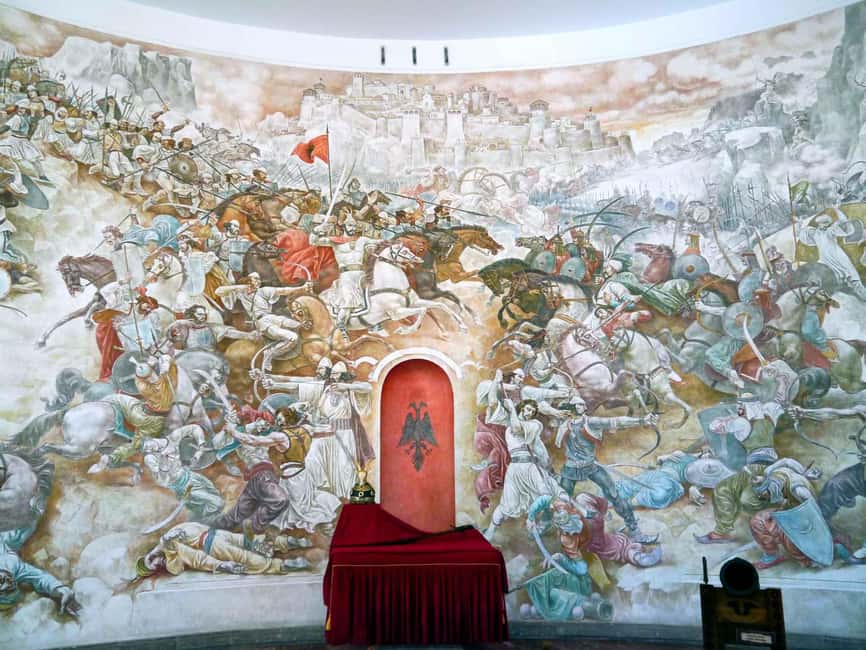
This is the epicenter of Albanian resistance to the Ottomans led by Skanderbeg in the 15th century. Your guide walks you through the main hall and helps you connect the artifacts to the larger story. You can expect to see a copy of Skanderbeg’s helmet and sword. You also get explanations about flags and stems of prominent families who supported the national hero, plus other historical details tied to what you are standing in front of.
What I like here is the pacing. The castle is not only about looking at old walls. With a guide, you get context for why certain symbols, family names, and items are shown where they are. Even if you are not a big “museum person,” this format tends to make the time go faster.
Another reason this stop is worth it is that it sets up the rest of the day. After you understand the castle as a resistance center, the town around it starts to feel like part of the same story, not a separate tourist zone.
Onufri Museum inside the castle: the Iconostasis worth slowing down for
Inside the castle complex, you also visit the Onufri Museum. One highlight is the Iconostasis, the beautifully carved religious screen that draws people in.
This is not just decorative. Carved iconostasis work is a visual language, and in a short visit you can still catch why people treat these pieces as sacred art. I recommend you give yourself a few extra seconds with it, even if the group moves on quickly. If you pause, you will notice more than if you keep stepping forward with everyone else.
If you like religious art, wood carving, or Ottoman-era and Orthodox cultural details, this stop is a strong reason to choose a guided format, not just a DIY walk.
Ethnographic Museum in an Ottoman-era residence: everyday life, not only heroes
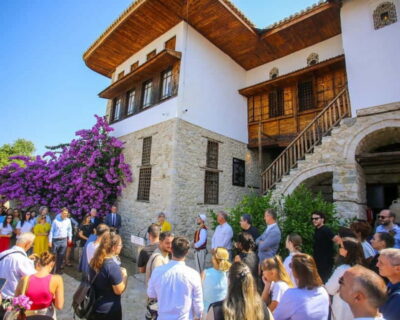
The day also includes the Ethnographic Museum, and it is housed in an old Ottoman-era residence. It is recently renovated, so it is open and ready for visits.
The ticket is 6 EUR, which means it is not included in the base price. I see that as a reasonable trade-off. The castle and the story of Skanderbeg are already major anchors, so paying a small extra amount for a second perspective on the region makes the day feel more complete.
In the ethnographic setting, you are looking at everyday life from the period, not only battle history. That shift matters. It reminds you that large political events were happening alongside daily routines, family life, and local customs.
If you hate paying add-ons, you can still do plenty even without this stop. But if you want more than one type of Albanian culture, this museum ticket is a worthwhile add.
A few more Durres beach and amphitheatre days:
- From Durres: Sunset Tour Bovilla Lake & Gamti Mountain
★ 4.9 · 58 reviews - From Tirana/Durres: Kruja, Old Bazaar, Sari Salltik Day Tour
★ 3.9 · 5 reviews - Durrës/Golem: Bovilla Lake & Preza Castle Golden Hour Tour
★ 5.0 · 2 reviews - From Durres,Golem,Qerret: Kruja Castle, Bazaar, guided tour
★ 5.0 · 2 reviews
The Old Bazaar: where your shopping has a story behind it
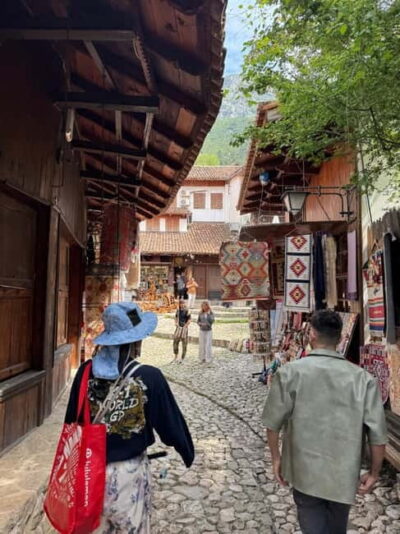
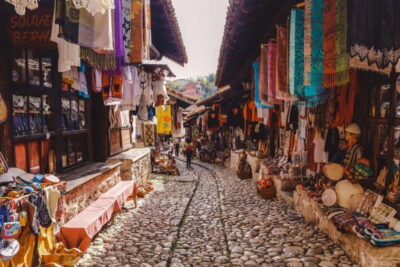
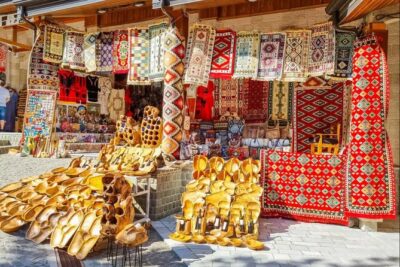
After the history stops, the tour turns to the present, and that means time in the Old Bazaar. This is where you can find souvenirs and handcrafts made by local artists.
I like this part because you get a real outlet for your curiosity. After the castle, you already know what the past is supposed to represent, and then you can look for contemporary craft work that connects to local identity.
What to look for:
- Handcrafts that look like they took time, not mass-produced items.
- Smaller pieces you can afford without stressing over luggage weight.
- Things you can actually use at home, so you remember the trip every day, not only when you pack a drawer.
The bazaar time also gives you room to slow your pace. You can ask questions to sellers, check details, and compare prices without the pressure of a nonstop museum schedule.
One more practical point from experience on cobblestone towns: wear shoes that grip. The bazaar area can be slippery, and you will want stable footing when you stop to look at things.
Cave and temple warnings: respectful context, and how to handle it
The tour has notes about the possibility of seeing traditional religious rituals involving animal sacrifices at a temple, and that during a visit to the Sari Salltik cave you might, though rarely, encounter similar rituals. If this is a concern for you, the best move is to tell your guide in advance.
I think this is one of those parts of travel where your comfort matters, and the guide should know ahead of time so the day can be managed with care. The instructions also suggest you can mention it, so do not wait until you are already in the moment.
Also note this: if you are sensitive to ceremonies, you may want to mentally prepare for a day that includes religious context, not only monuments and marketplaces. This tour is about Kruja and the cultural layers around it, so that includes more than architecture.
Walking, shoes, and toilets: small stuff that makes or breaks the day
This tour includes museum floors, stairs, and walking over older surfaces. Your fitness level needs to be basic, not athletic, but you should expect some uphill movement in the castle area and uneven ground.
Shoes are key. One of the strongest bits of practical feedback I saw was a reminder that cobblestones can be slippery. That means good traction beats pretty sandals.
Toilets are the other real-world issue. One guide-rated highlight included a pointed complaint about a nearby toilet stop near the coach station area, describing unpleasant conditions and a small fee. So here is my advice: if you get a chance to use toilets earlier, do it, and do not treat any random rest stop as guaranteed clean.
Bring water and a sun hat. Even if it is not blazing, you will spend time outside around the town and walking between sights.
Price and value: what you really get for $27
At about $27 per person for a roughly six-hour day, this is not just “a bus to a town.” You are paying for the combination of:
- Pickup and drop-off from your hotel or nearby meeting point
- An English-speaking guide
- Air-conditioned transportation by car or van
- Guided time inside the Castle and Skanderbeg Museum
The base price does not cover food and drinks. It also does not include the Ethnographic Museum ticket (6 EUR). Those are predictable extras, and they help keep the main tour price lower.
So where is the value? For me, it is in the guided history in a compact day. Kruja is not far, but it is not trivial either when you factor in logistics. Paying for a guide plus transport saves time, helps you understand what you are seeing, and still leaves you free for bazaar shopping.
If you are a history-minded shopper who wants a structured day without planning, $27 plus small add-ons can work out well.
What guides do well here, and what it feels like on the ground
This type of tour lives or dies on the guide, and the names you might hear include Helena, Aurel, and Dion in different departures. The common thread is energy and explanation.
Aurel, for example, is described as enthusiastic about sharing Albanian history, including humor in the mix. Dion is described as answering questions and making the day feel organized, not rushed. Helena is singled out for being excellent.
That matters because Kruja Castle and Skanderbeg stories can be dense if you are reading alone. With a good guide, you get the “why” behind what is displayed. The driving side also matters, and Nardi is mentioned as an expert driver in one account, with a comfortable, air-conditioned bus.
Also, one of the practical compliments was strong communication before the day, including contact the day before the tour. That can reduce stress when your pickup time is involved.
Who this tour fits best, and who should consider another plan
This tour is recommended for ages 8 and up and expects basic fitness. It suits you if you want:
- A focused day in Kruja with guided history
- A mix of monuments and the Old Bazaar for shopping
- A chance to see Orthodox religious art like the Iconostasis
- Ottoman-era life context via the ethnographic museum ticket
Consider a different plan if:
- You have serious heart conditions, respiratory issues, or other major medical conditions, since the tour recommends checking with a doctor first.
- You know you cannot handle walking on uneven, slippery surfaces.
- Religious ritual visibility is a deal-breaker for you. You can inform the guide in advance, but the tour includes warnings, which means it is part of the cultural reality of the area.
Should you book this Kruja Castle and Old Bazaar tour?
If you want a compact, guided day from Durres or Golem that hits the big emotional themes of Kruja, I think this is a strong booking. The guided Skanderbeg Museum and the castle stops are the reason to choose it, and the Old Bazaar time makes sure you leave with something real to take home, not only photos.
Book it if you like structured sightseeing, can handle some walking, and want history plus crafts in one smooth half-day. Skip or choose something else if you are very sensitive to religious ritual context, or if the idea of paying a small extra museum ticket and spending time on cobblestones sounds like a hassle.
If you do book, pack smart: water, sun hat, good shoes, and your passport or ID card. Then tell your guide about any concerns early, especially around temple or Sari Salltik cave rituals. That single step usually makes the whole day feel easier.
FAQ
What is the duration of the Kruja Castle, Old Bazaar tour from Durres and Golem?
The tour lasts about 6 hours.
How much does the tour cost?
The price is listed as $27 per person.
Is hotel pickup and drop-off included?
Yes. You get pickup and drop-off (either at your hotel or a nearby meeting point where the vehicle can enter, depending on the option).
What does the tour include?
It includes an English-speaking guide, air-conditioned transportation, and guided visits inside Kruja Castle and the Skanderbeg Museum.
Is food included in the price?
No. Food and drinks are not included.
Do I need to pay extra for the Ethnographic Museum?
Yes. The Ethnographic Museum ticket costs 6 EUR and is not included.
What should I bring, and is there anything I should avoid?
Bring a passport or ID card, a sun hat, and water. Smoking and alcoholic drinks are not allowed in the vehicle.
A Few More Shopping Trips in Kruje
A Few More Market Walks in Kruje
Added to Kruje lately
- From Tirana: Kruja, Skanderbeg Museum & Sarisalltik Tour★ 5.0 · 1 review
- From Shkodër: Tour of Shkodër★ 5.0 · 1 review
- From Tirana / Durrës: Qafë-Shtamë, Sarisalltik & Krujë Tour★ 5.0 · 1 review
- Tirana: Bovilla Lake Day Trip with Hiking and Swimming★ 3.0 · 1 review
- From Tirana: Kruja Castle & Sarisalltik Day Tour★ 5.0 · 1 review
- Vlora, Karaburun and Sazan Island Boat Day Tour★ 4.5 · 2 reviews
- Durrës/Golem: Bovilla Lake & Preza Castle Golden Hour Tour★ 5.0 · 2 reviews
- From Durres,Golem,Qerret: Kruja Castle, Bazaar, guided tour★ 5.0 · 2 reviews
Kruja Castle & Skanderbeg Bazaar Trips, compared.
Kruja castle, the old Bazaar & Sarisalltik- Departure from Tirana
Read our review →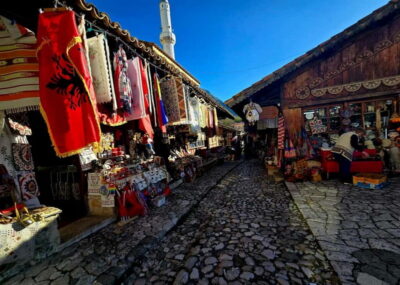
Bovilla Lake, Gamti Mountain and Kruja Day Tour
Read our review →
Browse the lists this tour appears in